

As we head into 2026, international buyers are coming with higher expectations for the Wooden Chopping Block market. They're looking for sturdy construction, clear info on where the wood comes from, consistent moisture levels, and reliable, export-ready quality. Sure, a board might look nice in a picture, but if you look closer, details like the edge sealing and the end-grain structure really tell you more about its quality.
The market for cutting boards is still solid, thanks to more folks cooking at home, Pro kitchens, and upscale hospitality venues — that’s what Grand View Research’s latest report suggests. But, let’s be real, just because the market’s growing doesn’t automatically mean you’re getting a reliable supplier. Plus, keep in mind that the CDC says foodborne illnesses impact about 48 million Americans yearly — so hygienic design and proper maintenance are absolute must-haves when choosing your boards. The FDA Food Code also emphasizes that food-contact surfaces need to be durable, easy to clean, and well-made — tiny details matter big time.
Ben Chapman, Ph.D., a food safety expert from North Carolina State University, puts it simply: “What really counts is how the board is cleaned, maintained, and replaced — not just what it’s made of.” So, when you're shopping around, don’t just focus on the type of wood. Check out aspects like how dense the board is, whether the finish is safe, if it has good drainage, and what the packaging and replacement instructions are. Not all brands are the same — big names like John Boos, Teakhaus, and Sonder Los Angeles each have their own approach to materials and branding, but their products can perform differently.
And let’s not forget about responsible sourcing. According to the FAO’s 2020 Global Forest Resources Assessment, there are about 4.06 billion hectares of forests worldwide, but tracking exactly where the wood comes from can be pretty inconsistent depending on the region. Claims of certification should be checked carefully — no supplier list is perfect. It’s a good idea to test out samples first, to look for warping, rough grain, or weak packaging before making a big order. This guide reviews leading Wooden Chopping Block suppliers based on product experience, documentation, manufacturing ability, food safety awareness, and what buyers are saying. Still, it’s essential to verify current certifications, factory capacity, and shipping details before sealing the deal.
In short, buying a quality chopping board isn’t just about the look. It’s about knowing what’s behind the scenes — the materials, the safety, the sourcing — all that adds up to making a smarter purchase you can trust.

A wooden Chopping Block is a thick cutting surface made from selected timber. It supports daily preparation for vegetables, herbs, bread, and boneless meats. Its solid construction reduces movement during chopping. End-grain designs can help absorb knife impact and reduce visible cut marks. Edge-grain blocks often provide a more affordable option. Both require responsible care.
In practical kitchen use, weight matters. A stable block should stay firm when a chef applies pressure. A smooth, food-safe surface also helps prevent trapped moisture and debris. Useful features include rounded edges, strong joints, reversible sides, and moisture-resistant finishing. Some blocks include juice grooves, but these can reduce usable cutting space. I have found that oversized blocks feel professional, yet they become difficult to lift and clean. Bigger is not always better.
Tips: Check timber origin, moisture control, surface treatment, and packaging before purchasing. Ask suppliers for product dimensions, care instructions, and testing records. Wash the block by hand, dry it immediately, and never leave it soaking. Apply a suitable food-grade conditioning oil when the surface looks pale or rough. Regular inspection matters. Small cracks can worsen quickly. Suppliers serving global buyers should also provide consistent specifications, clear inspection procedures, and reliable export documentation.
When evaluating wooden chopping block suppliers in 2026, begin with material evidence, not attractive catalog images. Ask for the wood species, harvest region, moisture range, and treatment records. A dependable supplier should explain how timber is dried and protected from warping. Inspect the grain. It should look even, with no deep cracks, loose knots, or rough edges. For a Bamboo Chopping Block, request details about bamboo layers, adhesive safety, and pressing temperature.
Order samples from the same production line used for bulk orders. Measure thickness, check flatness on a stone counter, and test whether the surface splinters after repeated washing. A supplier with practical experience can provide food-contact documents, laboratory reports, and traceability records without hesitation. Verify factory capacity through production photos, audit findings, and clear quality-control procedures. Numbers can mislead. A large stated capacity means little if inspections are inconsistent.
Review packaging before approving the quotation. Moisture-resistant cartons, corner protection, and readable batch labels can prevent costly damage during long transport. Compare lead times, replacement policies, payment terms, and communication speed. Ask how the supplier handles a failed inspection. The answer reveals reliability. I have seen buyers focus too heavily on the lowest price, then discover uneven boards and delayed corrections. That mistake deserves reflection. A stronger evaluation balances workmanship, documented compliance, stable capacity, and honest responses when problems appear.
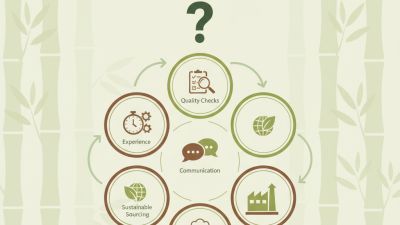
This 100-point evaluation framework prioritizes food-contact safety, wood traceability, product durability, manufacturing consistency, delivery reliability, and export capability. Global buyers can use these dimensions to compare suppliers objectively before requesting samples, audits, and quotations.
2026 Top Wooden Chopping Block Suppliers for Global Buyers
East Asia remains a major sourcing region for wooden chopping blocks. The ITC Trade Map database, using HS 4419, identifies China and Vietnam among notable exporters of wooden kitchenware. China offers broad capacity, automated shaping, and competitive packaging options. Vietnam is strong in rubberwood and acacia processing. These materials support lighter boards with visible grain. However, factory capability differs widely between provinces.
Europe provides another reliable supplier base, especially in Poland, Germany, and Romania. The FAO Forestry Production and Trade database places global roundwood production near four billion cubic metres in 2022. European producers often emphasize beech and oak, kiln drying, and controlled moisture levels. A 10–12% moisture range can reduce cracking during shipment. Wood choice changes everything.
North America suits buyers seeking maple, walnut, and thicker end-grain blocks. Regional mills often provide clearer documentation and smaller production runs. The USDA and FAO forestry reports show North America remains a substantial industrial-wood producer. Southeast Asian suppliers may offer attractive pricing, but buyers should inspect plantation records, glue specifications, drainage design, and carton protection. HS 4419 is imperfect because it combines chopping boards with other wooden kitchenware. Therefore, trade rankings need careful interpretation. Samples can still reveal more than spreadsheets.
| Supplier Region | Common Wood Materials | Typical Product Strengths | Manufacturing and Export Advantages | Common Buyer Requirements | Relevant Compliance Considerations | Best Fit for Global Buyers |
|---|---|---|---|---|---|---|
| China | Rubberwood Acacia Beech Bamboo | Edge-grain and end-grain chopping blocks, laminated boards, serving boards, custom shapes, gift sets and private-label packaging. | Broad supplier base, mature woodworking clusters, flexible minimum order quantities, extensive packaging options and established ocean-export infrastructure. | Competitive pricing, private labeling, barcode and carton customization, mixed-container orders and product development support. | Food-contact safety documentation, finish and coating declarations, timber legality evidence, packaging regulations and destination-market labeling rules. | High-volume import programs, multi-SKU purchasing, customized products and buyers seeking a wide range of price points. |
| Vietnam | Acacia Rubberwood Bamboo | Solid-wood boards, laminated kitchenware, serving trays, utensils and coordinated wooden kitchen collections. | Strong furniture and household-woodworking sector, expanding export capacity and access to plantation-grown timber supply chains. | Stable repeat production, natural wood appearance, hospitality and retail collections, and export-ready consumer packaging. | Buyers should request species identification, plantation or legality documentation, moisture control procedures and food-contact declarations. | Retailers and distributors looking for acacia or rubberwood collections with a natural appearance and scalable production. |
| Germany and Central Europe | Beech Oak Ash Walnut | Premium solid-wood boards, butcher blocks, precision-machined products and design-led kitchen accessories. | Strong engineering standards, skilled woodworking, high process consistency and convenient access to the European distribution market. | Premium finish quality, traceability, lower-volume specialty production, sustainability documentation and detailed technical specifications. | European Union timber traceability, food-contact requirements, chemical restrictions, packaging obligations and customer-specific sustainability policies. | Premium retailers, professional kitchens, design brands and buyers prioritizing material traceability and manufacturing consistency. |
| Poland and Eastern Europe | Beech Oak Birch Ash | Durable chopping boards, butcher blocks, household woodenware and practical private-label kitchen products. | Access to European hardwood resources, established furniture-making expertise, shorter delivery distances to EU customers and strong subcontracting capabilities. | Consistent dimensions, European packaging formats, small-to-medium production runs and documentation suitable for EU procurement programs. | EUDR due-diligence information, FSC or PEFC claims where applicable, food-contact compliance and formal product safety records. | EU-based importers seeking regional supply, shorter lead times and hardwood products with documented origin. |
| Italy | Olive Wood Beech Oak Walnut | Premium artisan boards, distinctive grain products, serving boards, gift items and high-end kitchen accessories. | Strong design heritage, craftsmanship, product finishing and presentation suitable for specialty retail and hospitality channels. | Higher-end styling, gift-ready packaging, customized finishing and smaller production quantities than mass-market factories. | Species and origin records, food-contact safety, finish safety, packaging compliance and substantiation of sustainability claims. | Gourmet retailers, hospitality groups, premium gift distributors and buyers seeking distinctive natural wood appearance. |
| United States and Canada | Maple Walnut Cherry Oak | Thick butcher blocks, end-grain boards, professional-use cutting surfaces and premium domestic-hardwood products. | Strong domestic hardwood supply, established woodworking equipment, North American product standards and proximity to local buyers. | Premium construction, larger board formats, restaurant-grade positioning, custom engraving and domestic-market packaging. | Food-contact material requirements, state or provincial labeling rules, finish disclosure, timber sourcing records and applicable packaging regulations. | North American buyers seeking local hardwood species, professional-grade construction and shorter domestic replenishment cycles. |
| Indonesia and Southeast Asia | Teak Acacia Rubberwood Bamboo | Teak and acacia serving boards, tropical hardwood kitchenware, laminated boards and handcrafted household products. | Access to tropical plantation species, skilled hand-finishing, distinctive grain patterns and competitive labor costs for selected product categories. | Natural-edge designs, handcrafted appearance, mixed wood collections and products targeted at lifestyle and hospitality markets. | Timber legality and origin evidence, species verification, export permits where required, food-contact safety and treatment documentation. | Lifestyle retailers, hospitality suppliers and buyers seeking tropical wood aesthetics with documented legal sourcing. |
| Brazil and Latin America | Rubberwood Eucalyptus Paraná Pine Certified Tropical Woods | Solid-wood boards, plantation-timber products, serving boards and selected specialty hardwood kitchenware. | Large forest and plantation resources, growing value-added wood-processing capacity and access to major Atlantic shipping routes. | Plantation-based sourcing, natural wood collections, regional product development and selected export-oriented production. | Legal origin verification, forest-management certification where claimed, phytosanitary requirements, food-contact safety and destination-country import rules. | Buyers seeking plantation-grown materials, regional diversification or specialty hardwood products with documented origin. |
Global buyers should compare wood species, grain structure, and moisture control before reviewing price. Acacia Chopping Block products can show attractive contrast, but acacia varies widely in density and durability. Ask suppliers for species identification, moisture readings, and kiln-drying records. The USDA Forest Products Laboratory’s Wood Handbook explains that wood expands and contracts as moisture changes. Therefore, a stable board needs controlled drying, not only thick construction.
Craftsmanship appears in details. Look for end-grain or carefully aligned edge-grain surfaces, rounded corners, stable feet, and smooth finishing without deep knife-catching grooves. A 2022 FDA Food Code requires food-contact surfaces to be smooth, durable, and easily cleanable. Wooden boards need careful interpretation because local rules may differ. Suppliers should provide cleaning instructions, finish specifications, and replacement guidance. Small details matter.
Quality evidence should be measurable. ISO 22000:2018 emphasizes hazard control, documented processes, and traceability across food-related supply chains. Request batch records, timber origin documents, and migration or finish safety statements when applicable. FSC’s 2022 facts and figures report that certified forests covered about 220 million hectares globally, offering a useful benchmark for responsible sourcing. Certification alone does not prove workmanship. I have seen attractive boards warp after one wet season. That weakness deserves honest inspection. A supplier that discloses defects, tolerances, and moisture limits is often more reliable than one offering perfect photographs.
Customization must begin with measurable specifications, not attractive photographs. Buyers should confirm wood species, moisture range, thickness tolerance, edge design, surface finish, and food-contact documentation. A practical sourcing file includes CAD drawings, approved samples, and inspection points. Small changes can affect container loading. UNCTAD’s Review of Maritime Transport 2024 states that over 80% of global merchandise trade by volume moves by sea. Therefore, suppliers should test carton compression, pallet stability, and humidity protection.
I would not promise identical color across every batch. Natural wood varies.
Packaging also affects cost and compliance. The OECD’s Global Plastics Outlook reports that packaging generates about 40% of plastic waste.
Paper-based protection, molded pulp, and reduced plastic layers may support buyer sustainability targets. However, weak cartons create returns and hidden expenses. Each block needs corner protection, dry inner wrapping, and a readable carton label.
For solid-wood pallets or crates, buyers should request applicable ISPM 15 treatment records. International orders commonly require a commercial invoice, packing list, country-of-origin statement, product dimensions, and correct customs classification. Requirements differ by destination.
Tips:
Request a pre-production sample. Approve packed samples, too. Ask for moisture readings. Confirm carton dimensions before freight quotes. Never rely on “food safe” wording alone; request supporting test reports for the destination market. Keep every approval in writing.
For global buyers, a Kitchen Chopping Block quote should show more than one unit price. A 40 cm hardwood block may cost 18–35 USD at factory level, depending on wood species, thickness, finish, and packaging. Freight, inspection, and import charges can change the final cost sharply. Request prices for 100, 500, and 1,000 pieces. This reveals real volume discounts.
Minimum order quantities often range from 100 to 500 units. Custom logos, dimensions, or gift boxes may raise the MOQ. Ask whether the supplier can combine colors or sizes within one order. Clarify production time, sample fees, replacement terms, and payment milestones. Get every detail in a dated quotation. Verbal promises are weak evidence.
Supplier verification needs practical checks. Review business registration, workshop photographs, product specifications, and recent production records. Ask for close images of end-grain joints, oil coverage, drainage grooves, and carton labels. A live video call can confirm machinery and storage conditions, although staged areas remain possible. Order a paid sample before approving bulk production. Test its flatness, odor, surface smoothness, and moisture behavior after washing. I once trusted attractive photos too quickly; the delivered block had rough corners. That mistake still influences my inspection process. Use an independent pre-shipment inspection when the order value is significant. Compare the inspection report with the approved sample, not only the supplier’s catalog.
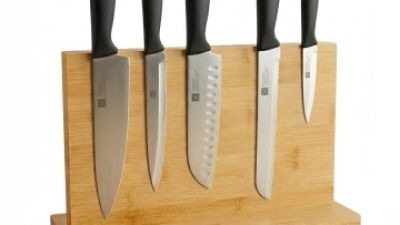
A magnetic bamboo knife block holder brings warmth, simplicity, and practicality to the modern kitchen. Crafted with the natural charm of bamboo, it adds a soft, elegant touch to countertops while providing a secure place for everyday knives. The clean design works well with a variety of kitchen styles, from contemporary spaces to more traditional interiors, without creating a bulky or crowded appearance.
Unlike conventional knife blocks with deep slots, a magnetic holder keeps the blades visibly organized and easy to access. Its vertical form makes efficient use of counter space, while the open layout allows knives to dry quickly and remain within reach during meal preparation. Strong, evenly distributed magnets help hold knives firmly against the surface, and the smooth bamboo finish is comfortable to handle and simple to maintain with regular wiping.
This space-saving storage solution is especially useful for compact kitchens, apartments, and busy cooking areas where every inch matters. It can help reduce countertop clutter while displaying knives in an orderly, attractive way. By combining the natural texture of bamboo with a streamlined magnetic design, the holder turns essential kitchen tools into part of the room’s décor rather than something that needs to be hidden away.
: Ask for wood species, harvest region, moisture range, and treatment records. The supplier should explain drying methods. Photos can mislead.
Check thickness and flatness on a stone counter. Look for deep cracks, loose knots, rough edges, and uneven grain. Wash it repeatedly. Watch for splinters.
Request details about bamboo layers, adhesive safety, and pressing temperature. Ask for food-contact documents and laboratory reports. The surface should feel smooth, not brittle.
Review production photos, audit findings, storage conditions, and quality-control procedures. A live video call may reveal machinery and workflow. Still, staged areas remain possible.
Request prices for 100, 500, and 1,000 pieces. The quotation should show materials, dimensions, packaging, freight, inspection, and import charges. Get every detail in writing.
Minimum orders often range from 100 to 500 units. Custom sizes, logos, or gift boxes may increase the requirement. Ask about mixed sizes or colors.
Look for moisture-resistant cartons, corner protection, and readable batch labels. Packaging should protect edges during long transport. Small details matter.
Ask about replacement terms, correction timelines, and payment conditions. Compare the inspection report with the approved sample. Do not rely only on catalog images.
Not always. A low quote may hide weak finishing, poor packaging, or delayed corrections. I once trusted attractive photos too quickly. That was careless. Balance workmanship, records, capacity, and honest communication.
This guide to the 2026 top Wooden Chopping Block suppliers helps global buyers understand how to select reliable products for home kitchens, restaurants, food preparation areas, and commercial use. It explains key features such as durability, stability, knife-friendly surfaces, moisture resistance, hygiene, and ease of maintenance. Buyers will also learn how to compare wood types, grain structure, construction methods, finishing quality, and applicable safety standards when assessing suppliers.
The article reviews major supplier regions and provides practical advice on evaluating production capacity, customization options, packaging, labeling, shipping coordination, and international order requirements. It also discusses pricing factors, minimum order quantities, sample evaluation, factory communication, documentation, and supplier verification methods. By comparing materials, craftsmanship, quality control, service capabilities, and total purchasing costs, buyers can make more confident sourcing decisions and establish dependable long-term cooperation with suitable Wooden Chopping Block suppliers.