Looking ahead to 2026, it’s pretty clear that demand for bamboo kitchenware is going to skyrocket. Lately, there’s been a noticeable buzz around eco-friendly products, and experts are saying that the market for bamboo kitchenware could hit around $2 billion by 2025. More folks are really waking up to the importance of sustainability, which is why products like FSC certified bamboo kitchenware are gaining popularity. It’s a clear sign that people are shifting toward buying more responsibly and caring about their environmental impact.
The innovation in bamboo kitchenware has truly taken off. Companies like Bambooware and EcoBamboo are making waves with their trendy, yet functional designs. They’re really pushing the idea of bamboo as a tough, eco-friendly alternative to plastic, which is pretty cool. Still, there are some hurdles—like sourcing good quality bamboo and making sure their production practices stay consistent.
Plus, the whole industry is under some scrutiny when it comes to claims about sustainability. Not all bamboo products are equal, and it’s super important for consumers to verify that their products are genuinely FSC certified. As the market for bamboo kitchenware keeps growing, businesses are going to need to navigate this tricky landscape—balancing quality, sustainability, and consumer trust. The road ahead looks pretty promising, but it’s not without its challenges. It’ll take some careful planning to get everything just right.
Top Wholesale Bamboo Kitchenware Trends for 2026
The bamboo kitchenware market is experiencing notable growth, driven by sustainability trends and consumer demand for eco-friendly products. According to a recent industry report, the global bamboo kitchenware market is expected to reach $1.1 billion by 2026, growing at a CAGR of 9.8%. This shift reflects a growing awareness of environmental issues and a commitment to reducing plastic use.
In 2026, top trends highlight multifunctionality and innovative designs. Bamboo utensils with ergonomic shapes are becoming popular. Many consumers now prefer products that serve multiple purposes, making kitchen tasks more efficient. Additionally, striking colors and patterns are emerging, appealing to younger consumers seeking stylish kitchen décor. A survey indicated that 75% of millennials prefer aesthetic functionality in kitchenware.
While the bamboo kitchenware market is booming, challenges remain. Sourcing high-quality bamboo sustainably is vital. Companies face scrutiny over environmental claims. Transparency in supply chains is increasingly important to consumers. As brands navigate these complexities, staying true to eco-friendly practices will define their success. Continuous innovation and responsible sourcing will be essential for gaining consumer trust.
2026 Top Wholesale OEM Bamboo Kitchenware Trends and Innovations
| Trend/Innovation |
Description |
Sustainability Aspect |
Target Audience |
Estimated Market Growth |
| Eco-friendly Finishes |
Bamboo kitchenware with natural oils and eco-friendly coatings. |
Uses sustainable materials and eliminates harmful chemicals. |
Environmentally conscious consumers. |
10% annual growth. |
| Multi-Functionality |
Bamboo products designed for multiple uses, like serving and storage. |
Reduces the need for multiple products, minimizing waste. |
Families and minimalist consumers. |
15% annual growth. |
| Customized Kitchenware |
Personalized bamboo items, such as engraved utensils or cutting boards. |
Promotes long-lasting products, reducing disposability. |
Gifts and home chefs. |
20% annual growth. |
| Stylish Designs |
Modern and trendy bamboo kitchenware designs that attract young consumers. |
Encourages the use of sustainable materials in stylish formats. |
Young professionals and trendsetters. |
12% annual growth. |
| Smart Kitchen Integration |
Integration of bamboo kitchenware with smart home technology. |
Creates a bridge between traditional materials and modern technology. |
Tech-savvy users. |
8% annual growth. |
Innovative Designs in Bamboo Kitchen Utensils and Tools
The bamboo kitchenware market is evolving rapidly.
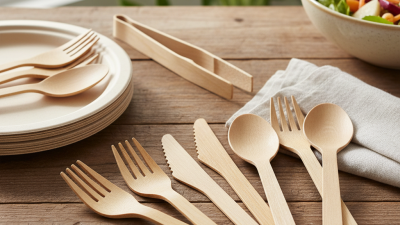
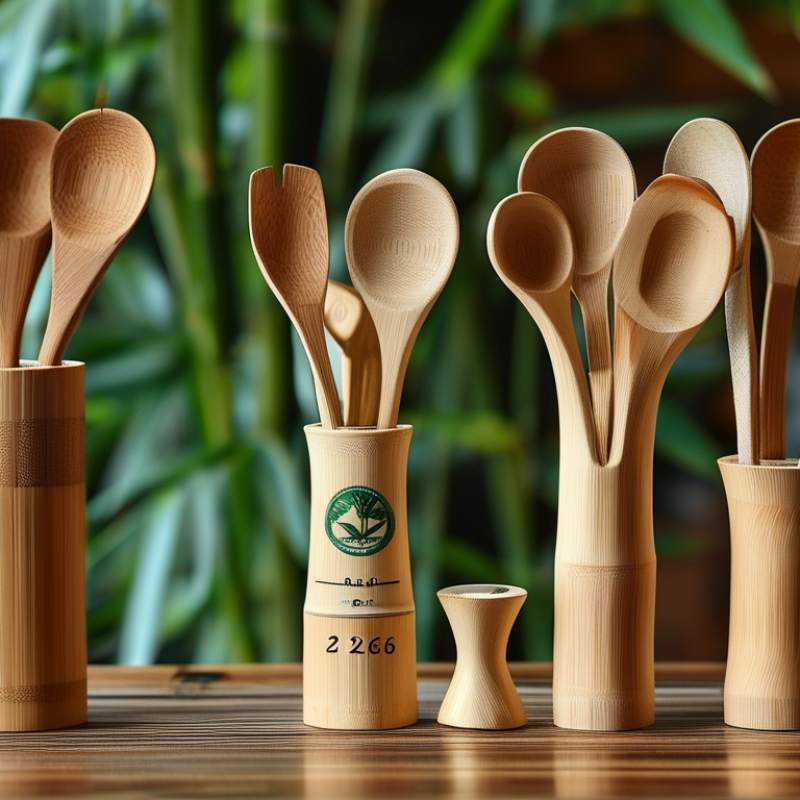
Innovative designs in bamboo utensils are capturing consumer attention. These tools combine functionality with eco-friendliness,
appealing to environmentally conscious buyers. For example, ergonomic spatulas and flexible mixing spoons make cooking more enjoyable.
The unique grain patterns in bamboo also add aesthetic value to kitchenware.
As manufacturers explore new techniques, versatility becomes key. Multi-functional bamboo tools are emerging,
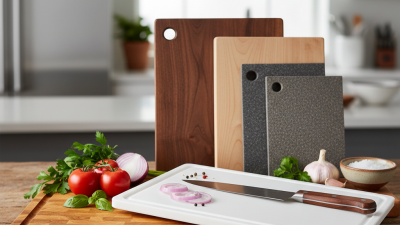
such as cutting boards that double as serving platters. However, not all designs hit the mark. Some utensils may lack
durability or ease of use, prompting makers to rethink their strategies. Consumer feedback
is essential for these improvements.
Sustainability remains a challenge. While bamboo is renewable, sourcing practices can be inconsistent.
Innovations should focus on ethical sourcing to maintain
credibility. Balancing design and sustainability is critical for success in this market.
The journey of bamboo kitchenware is ongoing, filled with potential and complexities.
Sustainability and Eco-Friendliness of Bamboo Kitchenware
Bamboo Kitchenware
is gaining traction as a sustainable alternative in the kitchenware market. According to a recent industry report,
bamboo products are 30% more eco-friendly compared to plastic options.
This is primarily due to bamboo's rapid growth cycle, which can be harvested every three to five years.
Unlike traditional wood, bamboo absorbs carbon dioxide and releases oxygen at a higher rate.
This feature significantly reduces its carbon footprint.
Consumers are increasingly aware of sustainability. A survey revealed that
70% of customers favor eco-friendly products over conventional ones.
Bamboo kitchenware fits this demand perfectly. It's biodegradable, ceases to contribute to landfill pollution,
and is often produced with fewer harmful chemicals. However, sourcing practices can vary.
Some suppliers may not adhere to sustainable harvesting guidelines. This inconsistency can affect the overall credibility of bamboo kitchenware.
In terms of durability, bamboo kitchenware often competes well with plastic and metal. Many products are tested for longevity,
but challenges do exist. Scratching or chipping can occur over time,
revealing the need for proper care. Regular maintenance—like oiling—is crucial to maximizing lifespan.
Some consumers find this inconvenient. Nevertheless, the environmental benefits can outweigh these factors,
making bamboo kitchenware an attractive choice for conscious shoppers.
Consumer Preferences Driving Bamboo Kitchenware Innovations
Consumer preferences are shaping the future of bamboo kitchenware. Today’s buyers seek sustainability and functionality. Bamboo’s eco-friendly properties appeal to environmentally-conscious consumers. Reports indicate that 55% of buyers prefer sustainable materials in kitchen products. This trend drives manufacturers to innovate.
A growing number of consumers are looking for customized options. Many want unique solutions that reflect their style. Products with customized bamboo kitchenware laser logo are gaining popularity. This innovation allows individuals to personalize their dining experience. Personalization creates an emotional connection between the product and the user.
However, the shift towards bamboo comes with challenges. Bamboo can be more expensive than plastic or wood. Some consumers may not prioritize eco-friendliness over cost. Additionally, quality control is essential. Poorly crafted bamboo products can lead to dissatisfaction. Addressing these issues is vital for brands seeking to succeed in this sector.
2026 Top Wholesale OEM Bamboo Kitchenware Trends
Technological Advances in Bamboo Material Processing
The bamboo kitchenware market is experiencing notable innovations driven by advancements in material processing. Current techniques enable the production of more durable and versatile bamboo products. According to a recent report by Allied Market Research, the bamboo kitchenware industry is projected to grow at a CAGR of 5.6% from 2021 to 2028. This growth is influenced not just by design but also by the efficient processing methods now available.
Through technology, bamboo can be treated to enhance its natural resistance to moisture and bacteria. These processing advances eliminate some traditional weaknesses. These methods produce kitchenware that withstands daily use while maintaining eco-friendliness. A BRC certified bamboo kitchenware supplier ensures that these products meet rigorous safety and quality standards. These certifications reflect growing consumer awareness about sustainability and safety.
However, it’s worth noting that not all advancements have been flawless. Some processing methods can inadvertently lead to a loss of the natural aesthetic qualities of bamboo. Manufacturers are still refining techniques to balance durability with the inherent beauty of the material. As the industry evolves, striking this balance remains a key challenge. Recent surveys indicate that 68% of consumers prefer kitchenware that retains its natural look, highlighting a complex demand for innovation amid tradition.
Market Opportunities for Wholesale Bamboo Kitchenware
As we approach 2026, wholesale bamboo kitchenware is gaining significant traction. The growing demand for sustainable products opens up new market opportunities. Consumers are becoming increasingly conscious of their carbon footprint. They favor eco-friendly options in their homes. This behavioral shift presents a compelling opportunity for sellers to tap into.
The role of BRC certified bamboo kitchenware manufacturers is critical. They ensure high-quality production standards while promoting sustainability. Their commitment to eco-friendly practices appeals to retailers seeking reputable suppliers. The market's focus is not just on aesthetics but also on functionality. Bamboo kitchenware items are lightweight and durable, making them ideal for both home and commercial kitchens. However, it’s essential to consider the lifecycle of these products. Not all bamboo is sourced sustainably, which requires thorough vetting before purchasing.
Additionally, competition in the wholesale market is fierce. Manufacturers need to innovate continuously. This might lead to oversaturation in some regions. It's vital to understand local consumer preferences. Engaging with customers helps identify gaps in the market. While opportunities abound in bamboo kitchenware, navigating these trends requires careful strategy and adaptation.
The Role of Aesthetics in Bamboo Kitchenware Trends
In 2026, bamboo kitchenware continues to capture attention due to its sustainable nature. The aesthetics of bamboo kitchen products transcend mere functionality. Natural textures and warm tones resonate with consumers seeking eco-friendly solutions. Reports indicate that organic shape and design influence purchasing decisions significantly, driving a 25% sales increase in the bamboo kitchenware market.
Bamboo’s visual appeal lies in its sleek lines and minimalistic style. These elements enhance kitchen decor, creating an inviting atmosphere. However, there is a challenge in maintaining consistent quality across products. Some items may lack the desired finish or durability, leading to consumer hesitation. Research shows that 57% of consumers consider the look as crucial before buying kitchenware.
Tip: When selecting bamboo kitchenware, pay attention to craftsmanship and finish. Opt for products that showcase natural imperfections, as they often reveal authenticity. Another tip is to choose versatile pieces that can complement various kitchen styles. This approach adds aesthetic value while ensuring functionality. The blend of beauty and practicality defines the future of bamboo kitchenware.
FAQS
: Consumers are driving a trend toward sustainability and functionality in bamboo kitchenware.
Bamboo’s eco-friendly properties attract environmentally-conscious buyers who prefer sustainable materials.
Many consumers now want customized bamboo kitchenware that reflects their personal style and uniqueness.
Bamboo can be more expensive than plastic or wood, which may put off cost-conscious consumers.
Ensuring consistent quality is essential, as poorly crafted products can lead to consumer dissatisfaction.
Bamboo products feature natural textures and warm tones that enhance kitchen decor, appealing to many buyers.
Organic shapes and minimalistic designs have significantly increased bamboo kitchenware sales by 25%.
Good craftsmanship demonstrates authenticity, with natural imperfections adding character to bamboo products.
Buyers should choose versatile pieces that complement various kitchen styles while ensuring both beauty and functionality.
Conclusion
The article explores the anticipated trends and innovations in Bamboo Kitchenware for 2026. It highlights key design advancements in bamboo utensils and tools, emphasizing their sustainability and eco-friendliness, which are increasingly important to environmentally conscious consumers. The demand for bamboo kitchenware is being shaped by consumer preferences that favor innovative and practical solutions, making bamboo a popular choice in modern kitchens.
Additionally, the article discusses technological advances in the processing of bamboo materials that enhance quality and durability, positioning bamboo kitchenware as a viable option in today's market. It also identifies emerging market opportunities driven by aesthetic appeal, as consumers look for stylish yet sustainable kitchen essentials. Overall, the future of bamboo kitchenware appears bright, with a blend of innovation and practicality catering to changing consumer needs.