
Leave Your Message
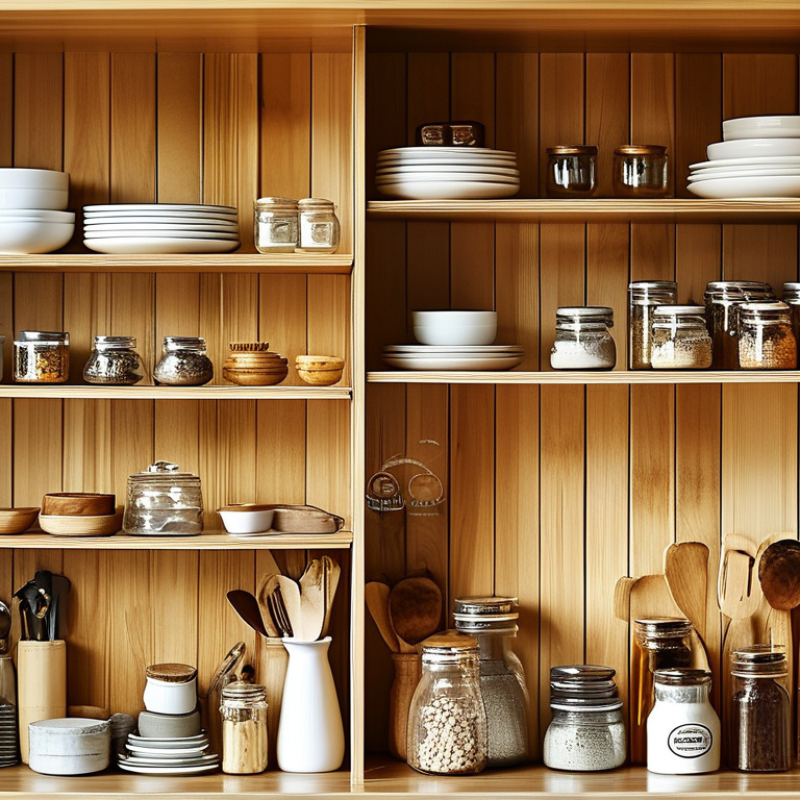
A bamboo kitchen rack can really make a difference in your space—turning that awkward, unused wall area into practical storage for plates, jars, utensils, or spices. But, if you’re buying from around the globe, great photos aren’t enough. You need to trust that the materials are solid, the workmanship’s consistent, and the specs are clear—plus, that they’re ready for export. This guide is here to walk you through some of the top supplier options, whether you’re an importer, retailer, running a hospitality project, or building a private label.
When evaluating suppliers, it’s important to look at stuff like bamboo grade, how well it resists moisture, the strength of joints, surface finishes, how much weight it can hold, and how well everything is packed to prevent damage. A reliable supplier should provide details like product dimensions, material info, inspection standards, and realistic lead times. Don’t forget to check minimum order quantities, policies on samples, customization options, and whether they test their cartons—little details matter. That loose screw or uneven finish? It may seem minor, but it can really shake customer trust.
Experience counts here. Well-established manufacturers often bring consistent quality and smoother shipping, but newer factories might offer cool design options or better prices. Just make sure you ask for concrete proof—recent samples, pics of their facilities, test reports, and references from similar markets. And if they have certifications, double-check those independently if they’re needed.
No supplier is perfect, and with bamboo, there’s always some variation—colors, grain patterns, density, moisture content. Even top-notch factories might have small differences between batches. So, being transparent about these quirks is actually a good sign. Companies that openly talk about their limitations often seem more trustworthy than those promising perfection. Ultimately, your decision should balance things like durability, price, on-time delivery, sustainability, and good after-sales support. Keep in mind, market conditions shift, so always verify a supplier’s current info before sealing the deal.
Hope this helps you make a smarter choice!
A reliable bamboo kitchen rack supplier proves consistency before discussing price. In factory evaluations, the useful checks are simple: inspect joints, measure shelf thickness, and test the rack under load. A polished sample can still hide weak glue lines. Ask for batch records, moisture readings, and photographs from production, not only showroom images. The supplier should identify bamboo species, harvesting region, treatment process, and packaging method. Traceability matters.
Industry data supports this caution. The International Bamboo and Rattan Organization reports that many structural bamboo species reach maturity within three to five years, but processing quality varies widely. The FAO’s Global Forest Resources Assessment 2020 also emphasizes reliable resource data and responsible forest management. Fast growth does not automatically mean dependable products. That assumption needs questioning.
For a Kitchen Storage Rack, request a written load test, corrosion-resistant hardware, and carton compression results. Shelves should remain stable after exposure to ordinary kitchen humidity. A supplier with export experience will explain pallet dimensions, inspection stages, labeling, and damage procedures clearly. Reports from Grand View Research identify continued growth in bamboo-based consumer products, increasing pressure on supply chains and quality control. Growth can attract inexperienced factories. Look closely.
A small trial order is valuable. Test odor, surface splinters, wobbling, and carton damage after transit. Also compare replacement policies and response times. The cheapest quotation may become expensive after rework, delays, or customer complaints. Reliability is visible in records, repeatable measurements, and honest answers about limitations.
| Evaluation Dimension | Information a Reliable Supplier Should Provide | Practical Buyer Benchmark | Why It Matters |
|---|---|---|---|
| Material Traceability | Bamboo species or material description, country of harvest, processing location, and batch records. | Traceability should cover the raw-material source through machining, finishing, and final packing. | Improves supply-chain visibility and helps buyers verify consistency between production batches. |
| Bamboo Quality and Construction | Details on laminated or solid bamboo construction, joint design, load-bearing areas, and surface treatment. | The rack should remain level, joints should be secure, and the structure should show no visible splitting, delamination, or sharp edges. | Good construction directly affects stability, service life, and user safety in a humid kitchen environment. |
| Moisture and Storage Control | Moisture-control procedures, kiln-drying or conditioning records, warehouse humidity controls, and packaging requirements. | The supplier should document how bamboo is conditioned before assembly and how products are protected from moisture during storage and transit. | Poor moisture control can contribute to warping, cracking, mold growth, or adhesive failure. |
| Finish and Food-Contact Suitability | Finish type, coating safety documentation, migration or chemical test reports where applicable, and destination-market compliance information. | The finish should be even, odor-controlled, free from peeling, and supported by documentation relevant to the intended use and importing market. | Kitchen products may contact food, cookware, or frequently handled surfaces, so the finish must match the product’s intended application. |
| Dimensional Accuracy | Approved technical drawings, tolerances, inspection checkpoints, and a documented sample-approval process. | Critical dimensions, shelf spacing, hole positions, and assembly points should be checked against the approved drawing before shipment. | Accurate dimensions support easy assembly, consistent retail presentation, and compatibility with cabinets or countertops. |
| Load and Stability Testing | Test method, applied load, test duration, deformation results, anti-tip checks, and inspection records. | The buyer should define the required load capacity and approve a test method before mass production; the supplier should retain test records for each production batch. | A stated and verified load requirement is more reliable than an unsupported maximum-weight claim. |
| Quality-Control System | Incoming-material inspection, in-process checks, final inspection standards, defect classification, and corrective-action records. | Use documented acceptance criteria for appearance, dimensions, functionality, packaging, and labeling, with inspection results available on request. | A repeatable quality system reduces variation and helps prevent recurring defects in large orders. |
| Packaging and Transit Protection | Carton specifications, internal cushioning, moisture protection, drop-test or transport-test procedures, and packing photos. | Packaging should prevent abrasion, corner damage, movement, and moisture exposure during normal international handling. | Well-designed packaging lowers the risk of damage, returns, and hidden replacement costs. |
| Export and Documentation Capability | Commercial invoice, packing list, product specifications, country-of-origin information, and destination-market documents when required. | Documentation should be consistent with the physical goods, purchase order, packaging marks, and customs requirements of the destination country. | Accurate documents help reduce customs delays, classification problems, and receiving discrepancies. |
| Production Capacity and Lead-Time Control | Monthly capacity, production schedule, material availability, sample timeline, and shipment-ready date. | The supplier should provide a written timeline with milestones for sampling, approval, production, inspection, and dispatch. | Transparent scheduling helps global buyers coordinate promotions, inventory planning, and shipping arrangements. |
| Customization and Communication | Technical drawing support, prototype process, response procedures, packaging customization options, and a designated contact person. | Changes to dimensions, finish, logo placement, packaging, or labeling should be confirmed in writing before production starts. | Clear communication reduces specification errors and protects both parties when requirements change. |
| Sustainability and Responsible Sourcing | Sourcing policy, forestry or chain-of-custody documentation where applicable, waste-reduction practices, and packaging-material information. | Environmental claims should be supported by current documentation and should clearly identify the scope of the claim. | Verifiable sustainability information is increasingly important for retailer requirements, product claims, and responsible procurement. |
| After-Sales Support | Defect-reporting process, replacement policy, warranty terms, corrective-action procedure, and response-time commitment. | Agree in advance on evidence requirements, claim deadlines, replacement responsibilities, and communication channels. | A documented after-sales process limits disruption when quality or transit issues occur. |
A 30 cm bamboo slotted mixing spoon is a practical addition to any kitchen, especially for preparing salads, pasta, vegetables, and other lightly dressed dishes. Its long handle provides comfortable control, while the slots help excess oil, sauce, or liquid drain away during mixing and serving. The smooth bamboo surface is gentle on non-stick cookware, reducing the risk of scratches compared with metal utensils. Bamboo is also lightweight, durable, and made from a renewable material, making this spoon a suitable choice for households seeking more sustainable kitchen tools.
Designed for everyday cooking, the spoon can be used to fold ingredients together, lift vegetables from cooking water, or serve food without carrying unnecessary liquid. Its heat-resistant construction supports use around warm cookware, although prolonged exposure to high heat or open flames should be avoided. Regular hand washing and thorough drying can help maintain the bamboo’s appearance and service life.
For buyers sourcing from China, direct factory purchasing can provide access to wholesale pricing, flexible order quantities, and product customization options where available. When evaluating suppliers, ask about bamboo sourcing, moisture control, polishing quality, packaging, inspection procedures, and export experience. Comparing samples before placing a larger order can help confirm the spoon’s dimensions, slot design, surface smoothness, and overall consistency.
Request material details, moisture targets, adhesive information, coating specifications, and production-control records. Inspect samples under strong light. Do not rely on catalog claims alone.
Look for splinters, cracks, dark mold marks, sharp corners, uneven sanding, and visible glue lines. Apply gentle pressure and twist the frame. A smooth surface can still hide weak joints.
Place a full paper roll inside and check for wobbling. The cutter should tear paper cleanly without exposing sharp edges during handling. Test it repeatedly. One demonstration is not enough.
Ask for coating-safety reports, material-emission results, and relevant food-contact documents. Confirm that each report matches the exact model and current materials. Check the laboratory, product scope, and report date.
Verify the certificate holder, covered products, testing organization, and expiration date. A certificate for another product proves very little. That detail matters.
Use identical dimensions, bamboo grade, coating, packaging, minimum order quantity, and delivery terms. Request a landed-cost worksheet including freight, inspection, packaging, and possible replacement expenses. A low quote may become expensive later.
Provide cabinet width, shelf depth, handle clearance, finish preference, logo method, and carton dimensions. Confirm joints, edge smoothness, load performance, and packaging protection before production. Small gaps create large delays.
Start with a small trial shipment before placing a large order. Confirm sample fees, lead time, inspection stages, defect limits, spare units, and replacement procedures. Record odor, wobbling, hardware changes, and batch differences. I would still leave room for mistakes.
Choosing a reliable Bamboo Kitchen Rack supplier requires more than comparing prices. Global buyers should examine the supplier’s material sources, bamboo treatment methods, moisture control, structural design, and manufacturing consistency. High-quality products typically use durable, properly laminated or processed bamboo, safe finishes, smooth surfaces, and stable joints. Buyers should also review product samples, inspection procedures, safety documentation, certifications, production capacity, and the supplier’s ability to maintain consistent quality across large orders.
A professional supplier should clearly explain customization options, minimum order quantities, lead times, packaging methods, and shipping arrangements. Buyers should confirm dimensions, load capacity, color, surface treatment, labeling, and carton protection before placing an order. Comparing quotations is important, but the lowest price may not provide the best overall value if it affects durability, safety, or delivery reliability. Careful evaluation of product quality, supplier communication, packaging strength, and import requirements can help buyers reduce risks and build a stable international sourcing relationship.