Leave Your Message
A really well-crafted bamboo cutlery tray isn't just about splitting a drawer into sections. It should be designed to hold your forks, spoons, and serving pieces comfortably, without wasting space or shifting around when you're opening and closing the drawer every day. Little details matter here—think smooth edges, sturdy joints, a nice even finish, and dimensions that actually fit your kitchen drawers. Sometimes, a tray might look stunning in a product photoshoot but then turn out to be disappointing once you get it home. Trust me, it happens more often than you'd think.
Since I wasn't given a specific quote from a bamboo cutlery tray expert, I won't make one up. But, the general advice is pretty straightforward: measure your drawer, check how the joints are put together, and take a close look at the finish before you start comparing prices. Simple tips, but really helpful!
This guide introduces ten manufacturers based in China and covers the key details buyers should pay attention to—like materials used, craftsmanship, customization options, sample quality, and how consistent their production is. Having clear product specs helps a lot too. Don't forget to ask how each tray is finished and packed—sometimes, those small details can tell you a lot. Of course, supplier descriptions can be a bit misleading; whenever possible, inspect samples and compare the same requirements across different companies. But be aware—finishes can vary from batch to batch, and just because a tray fits perfectly in one drawer doesn't mean it'll do the same in another. The goal isn’t to find a perfect supplier—though that’d be nice—it’s about making smarter comparisons so you can choose what works best for you.
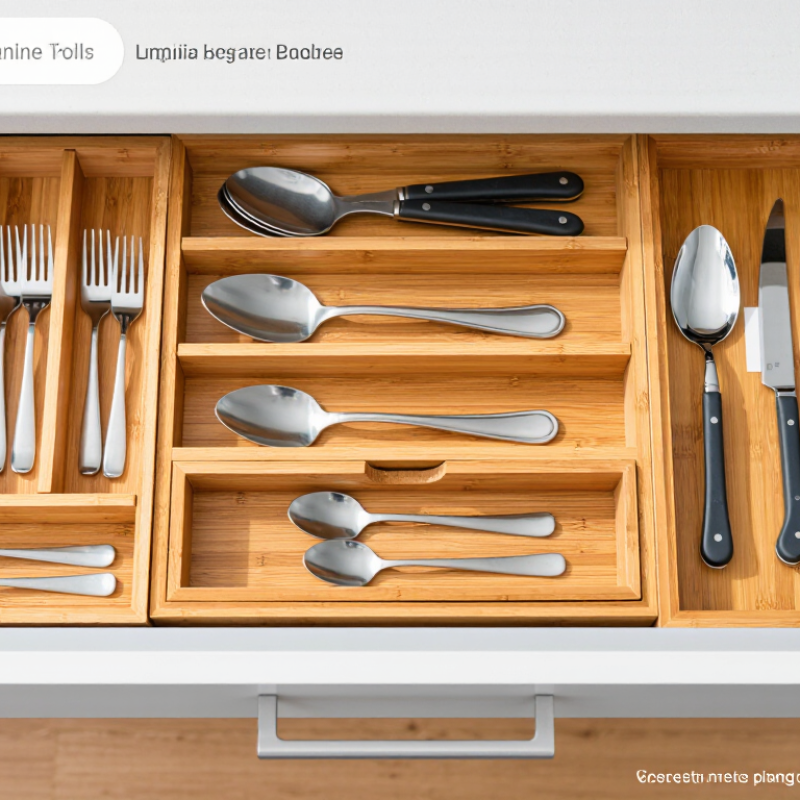
A bamboo cutlery tray is a compartmented organizer designed to keep forks, spoons, and knives separated inside a drawer. Its appeal is practical: a warm, natural surface, a relatively light build, and compartments that are easy to wipe. Sizes vary, so measure the drawer’s usable width and depth before choosing one. A large capacity bamboo cutlery tray can suit busy kitchens, but only if its expanded sections still fit the drawer.
Construction details matter. Look for smooth edges, stable joints, and dividers that do not shift when utensils are lifted. Some models expand at the sides; this adds flexibility, though the exposed seams may collect crumbs. Bamboo is not maintenance-free. Dry it promptly after cleaning, and avoid leaving standing water on the surface. Small details matter.
Material context is useful, but it is not a performance guarantee. The FAO’s Global Forest Resources Assessment 2020 reports about 35 million hectares of bamboo forest worldwide. That figure describes a resource, not the durability or environmental impact of any individual tray. Buyers should still check the product’s material description, finish, and care instructions. Bamboo pieces can differ in grain, color, and surface feel. That variation is normal, but it may surprise shoppers expecting a perfectly uniform finish.
This overview compares ten common bamboo cutlery tray design features. It describes product options rather than ranking or identifying individual manufacturers.
| No. | Design Feature | Common Options | Practical Benefit | Points to Check |
|---|---|---|---|---|
| 1 | Tray Material | Bamboo panels, bamboo strips, or bamboo combined with other materials | Bamboo provides a natural appearance and is commonly used for kitchen organizers. | Check the material description to distinguish solid bamboo components from bamboo veneer or composite panels. |
| 2 | Compartment Layout | Fixed sections for forks, knives, spoons, and serving utensils | Separate sections help keep different utensil types organized. | Compare compartment width and depth with the utensils you plan to store. |
| 3 | Expandable Sides | Sliding side panels that adjust the tray’s overall width | An adjustable design can fit a wider range of drawer sizes and create extra storage space when extended. | Measure the drawer at its narrowest point and confirm the tray’s closed and expanded dimensions. |
| 4 | Fixed-Width Design | A single-width tray with a set compartment arrangement | A simpler layout can suit drawers with known dimensions and provide a consistent internal arrangement. | Allow clearance for the drawer sides and check the tray’s external measurements before purchase. |
| 5 | Compartment Count | Layouts range from a few large sections to multiple smaller sections | Different layouts can accommodate everyday cutlery, cooking tools, or a mix of both. | More compartments do not always mean more usable space; consider the size of the items being stored. |
| 6 | Construction | Joined panels, assembled compartments, and sliding expansion mechanisms | Well-fitted components help the tray remain stable during normal drawer use. | Look for smooth edges, secure joints, and side panels that slide without sticking. |
| 7 | Surface Finish | Unfinished, clear-coated, or otherwise sealed surfaces | A finish can affect the surface feel, appearance, and ease of routine cleaning. | For food-contact suitability, check the finish information and applicable product-safety documentation. |
| 8 | Drawer Compatibility | Compact, standard-width, and expandable formats | Choosing a tray to match the drawer dimensions helps prevent unwanted movement or a poor fit. | Measure drawer width, depth, and usable height; account for hinges or other drawer obstructions. |
| 9 | Care Requirements | Wipe-clean surfaces and dry storage are typical care recommendations | Keeping the tray clean and dry helps limit moisture exposure and supports longer-term use. | Follow the product’s care instructions; avoid soaking bamboo products or leaving them wet. |
| 10 | Material Sourcing Information | Product details may identify bamboo material, coatings, and packaging | Clear specifications make it easier to compare products and understand what the tray is made from. | Look for specific material and finish disclosures rather than relying only on general sustainability claims. |
It is a compartmented organizer that keeps forks, spoons, and knives separated in a drawer. The surface is usually light and easy to wipe.
Measure the drawer’s usable width and depth. Check the tray with its side sections fully expanded. A large tray is not useful if the drawer will not close.
Look for smooth edges, firm joints, and dividers that stay in place when utensils are lifted. Check corners for gaps and rough spots.
No. Bamboo is not waterproof. Dry the tray promptly after cleaning, and do not leave standing water on it.
Yes. Grain, color, and surface feel can vary naturally. A perfectly uniform finish may be unrealistic.
Look for evenly colored strips, minimal cracks, and firm laminated panels. Ask for clear details about adhesives and surface finishes, especially where utensils rest.
Check for warped panels, shifting dividers, splinters, and sliding parts that scrape. Strong odors or rough seams are worth asking about.
No. A sample can reveal fit and finish, but it cannot guarantee every tray will match. Ask how batch quality is checked and request written inspection records. Small details matter.
This article explores the key features of a Bamboo Cutlery Tray, including its practical compartments, natural appearance, and suitability for organizing kitchen utensils. It also introduces China’s bamboo cutlery tray manufacturing landscape and explains how buyers can assess potential manufacturers by considering production capabilities, material sourcing, customization options, communication, and order requirements. Profiles of ten leading manufacturers provide a structured overview of the range of suppliers available in China.
The article also reviews common materials and production processes, along with quality considerations such as consistent dimensions, smooth finishes, sturdy construction, and careful inspection. By comparing these factors with budget, design preferences, and sourcing needs, readers can make a more informed choice of manufacturer and identify a product that fits their intended use and expectations.