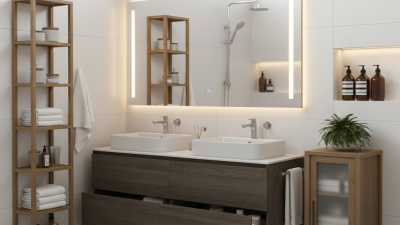
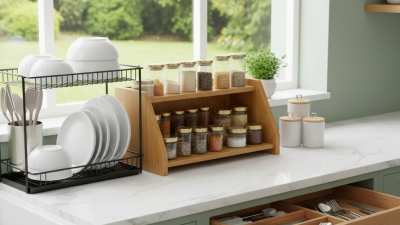
The market for toiletries holders is changing pretty quickly these days, mainly because people are really into staying organized and adding some style to their bathrooms. I read a recent report from Grand View Research, and it says that the global toiletries market could hit around $62.5 billion by 2027—that’s huge! This really shows why strong players like VIVI and YUANJIE are so important—they’re always coming up with fresh designs and using sturdy materials to stand out.
More and more, folks want products that aren’t just practical but also look good and fit into their everyday lives. Toiletries holders aren’t just about keeping things tidy anymore—they’re kinda like a lifestyle statement. That said, with so many brands out there, it’s a real challenge for companies to keep quality high without breaking the bank. You often see less than great options popping up because everyone’s trying to balance cost and craftsmanship.
And then there’s the push for eco-friendly stuff. More consumers are asking for sustainable materials, so brands are having to rethink how they produce their goods. A great, well-made toiletries holder can really help a brand stand out in such a crowded market, but the key is staying flexible and listening to what people want. The companies that keep adapting and earning trust—that’s who’s going to succeed in the long run.
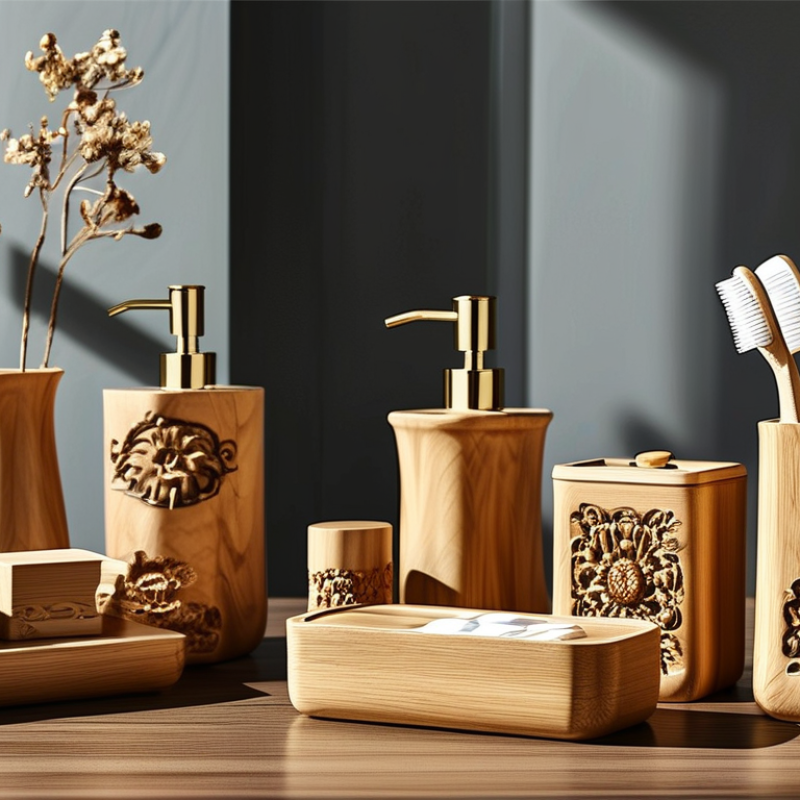
China's OEM market for toiletries holders has grown significantly in recent years. Numerous manufacturers are focusing on quality and design. These companies aim to meet both domestic and international demands. The competition is fierce, and standards are continually evolving.
Manufacturers are adopting advanced technologies in production. This enhances the precision and quality of toiletries holders. However, many still struggle with consistency in quality control. This highlights the need for better monitoring practices. Some companies lack experience in navigating global markets. They often find it challenging to meet diverse customer preferences.
Another aspect to consider is sustainability. While many manufacturers are moving towards eco-friendly materials, the transition is slow. Concerns about material sourcing and waste remain prevalent. Consumers are increasingly demanding sustainable options. This trend could reshape the industry if manufacturers adapt quickly. Experts believe that addressing these issues is crucial for long-term success in the OEM toiletries holder market.
| Manufacturer Location | Annual Production Capacity | Quality Certifications | Export Markets | Main Materials Used |
|---|---|---|---|---|
| Guangdong | 1,000,000 units/year | ISO 9001, BSCI | North America, Europe, Asia | Plastic, Stainless Steel |
| Zhejiang | 750,000 units/year | ISO 14001, CE | Middle East, Australia | Wood, Acrylic |
| Fujian | 500,000 units/year | BSCI, SGS | South America, Africa | Ceramic, Resin |
| Shandong | 600,000 units/year | ISO 9001, RoHS | Europe, USA | Metal, Glass |
When selecting a high-quality toiletries holder, several characteristics stand out. A well-designed Pot Holder should not only be functional but also aesthetically pleasing. Durability is essential. Materials like stainless steel or BPA-free plastic often ensure longevity. The finish should resist tarnishing or corrosion. Soft-touch materials provide a superior grip too.
Another important aspect is organization. A toiletries holder should include compartments for different items. A good holder keeps clutter at bay. Easy access to toiletries minimizes stress. Consider holders with a drainage feature. This prevents water accumulation, which can lead to mold.
Tips: Pay attention to the size of the holder. It should fit your space without overwhelming it. Regular maintenance is crucial. Cleaning the pot holder can extend its life and keep it looking new. Assess the aesthetics. The right design can enhance your bathroom's overall look. It’s acceptable to ask for recommendations or reviews to find reliable options.
The toiletries holder industry in China boasts several leading manufacturers that excel in producing high-quality products. These manufacturers utilize advanced technology and skilled craftsmanship to create a range of toiletries holders. Their designs often reflect modern trends, appealing to various markets.
When selecting a toiletries holder, consider durability and design. Keep an eye out for materials that offer longevity while remaining stylish. Some of the best manufacturers focus on eco-friendly materials, which resonate with today's sustainability goals. A well-designed File Holder can also enhance organization, making it easier to keep personal items neatly arranged.
Tip: Research manufacturers' reviews and client feedback. This will help you gauge their reputation. Look for companies that prioritize innovation and customer satisfaction. Being aware of potential issues is crucial for making informed decisions. Consider both function and aesthetics before purchasing a toiletries holder to ensure it meets your needs.
Toiletries holders have become essential in modern bathrooms. Manufacturers in China focus on innovative designs that blend functionality and aesthetics. They use materials like bamboo, stainless steel, and eco-friendly plastics. Bamboo is renewable and adds a natural touch, while stainless steel offers durability.
Designs also prioritize space optimization. Many holders have compartments and multi-functional uses. Some incorporate removable trays for easy cleaning. These features reflect users' needs for convenience and practicality. However, not all designs cater to different spaces effectively.
While many manufacturers excel at creativity, a few still rely on outdated designs. This can lead to inefficient use of space. Users often seek stylish yet useful products. Their feedback drives continuous improvement in product development. The industry must reflect on these aspects to better serve consumers.
This chart illustrates the market share percentage of various materials utilized in toiletries holders by top OEM manufacturers in China. It shows that plastic remains the most popular material, followed by wood and metal, indicating a trend towards durable and sustainable materials in bathroom accessories.
In the competitive landscape of OEM toiletries holder manufacturing in China, quality control is paramount. Manufacturers often implement stringent quality control standards to ensure that their products meet market expectations. This process begins with selecting high-quality materials. A focus on durable plastics and eco-friendly options enhances overall product longevity.
During production, various tests are conducted. These tests check for finishing, design accuracy, and functionality. Some manufacturers may face challenges in maintaining consistent quality. Variability in raw materials can lead to inconsistencies in finished products. Continuous training for workers is crucial to address these issues and refine skills.
Post-production quality checks are also vital. Many companies use advanced inspection technologies. However, not all manufacturers can afford these tools. This reliance on manual inspections can sometimes result in oversights. Overall, commitment to quality control in OEM toiletries holder production reflects the dedication to meeting customer demands and maintaining a competitive edge in the market.
The toiletries holder manufacturing market in China is evolving. With increasing consumer demand, manufacturers are adjusting their strategies. Eco-friendly materials are gaining popularity, reflecting broader sustainability trends. As consumers become more environmentally conscious, they expect products that align with these values. Manufacturers are stepping up to meet these expectations.
Design plays a vital role in this industry. A well-designed toiletries holder can enhance the user experience significantly. For instance, compact and versatile designs appeal to urban consumers with limited space. Functionality is just as important; compartments for various toiletries can cater to a range of needs. Manufacturers should prioritize innovative designs that balance style and practicality.
Tip: Always research customer feedback before finalizing a design. Understanding what buyers value can lead to better product outcomes.
The competition is intense. Emerging trends can sometimes catch established manufacturers off guard. Staying ahead requires continual learning and adaptability. For example, incorporating features like a Knife Holder can attract a portion of the market wanting multifunctional products. Reflecting on market demands can lead to greater success in the long run.
Chinese toiletries holder manufacturers face unique challenges and opportunities in a competitive market. As consumer preferences evolve, manufacturers must adapt to trends in design and functionality. The demand for innovative and space-efficient products has never been higher. Companies must keep an eye on these shifting trends to remain relevant.
Sustainability is a significant challenge. Many consumers are now looking for eco-friendly materials. This shift offers an opportunity for manufacturers to innovate. Creating biodegradable or recyclable toiletries holders can help capture this growing market. Focusing on durable designs can also appeal to environmentally-conscious buyers. This is a chance to showcase expertise in both product development and sustainability.
Tips: Invest in market research to stay updated. Understanding consumer needs can drive product improvement. Another important aspect is quality control. Ensuring that products meet high standards can build reliability. This builds trust and encourages repeat purchases. Embracing technology, like designing a versatile Tablet Holder, opens new avenues for product expansion. Balancing these factors with production costs can be difficult but rewarding.
As culinary sustainability continues to gain traction among consumers, bamboo utensils are emerging as a pivotal element in modern kitchenware trends. These tools not only boast eco-friendly credentials but also align with the growing demand for products that are both functional and environmentally responsible. In 2023, the shift towards bamboo kitchen tools highlights a commitment to reducing plastic use while enhancing cooking experiences.
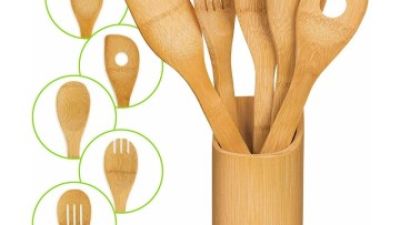
Featuring a 6-in-1 bamboo kitchen tool set, which includes five versatile spatulas and spoons, these utensils are designed to meet the needs of both home cooks and professional chefs. Each tool is crafted from sustainably sourced bamboo, ensuring durability and heat resistance while being safe for non-stick cookware. These attributes make bamboo utensils an excellent choice for anyone looking to elevate their culinary practices without compromising on sustainability.
The aesthetic appeal of bamboo also plays a significant role in attracting consumers who prioritize design alongside functionality. With a matching bamboo holder, the entire set becomes an elegant addition to any kitchen, representing a harmonious blend of style and sustainability. As more people become aware of the environmental impact of their cooking tools, the preference for bamboo kitchenware is set to shape future kitchen trends, making it an essential consideration for culinary enthusiasts everywhere.
: Focus on durability, design, and organization. Stainless steel or BPA-free plastic are good materials.
Regular maintenance is key. Clean it often to keep it looking new and functioning well.
A well-organized holder reduces clutter and provides easy access to your toiletries, minimizing stress.
Bamboo and eco-friendly plastics are great options. They support sustainability while being functional.
Yes, some designs don't utilize space effectively. This can lead to clutter and inefficiency.
Research reviews and client feedback. Look for durable materials and innovative designs that meet your needs.
Balance is crucial. Avoid overly stylish designs that compromise usability.
Yes, many modern designs include removable trays and compartments for added convenience.
Some overlook size, leading to holders that don’t fit well in their space.
Choose holders with drainage features to avoid water accumulation that can cause mold.
China's OEM market for toiletries holders has seen significant growth, driven by the increasing demand for high-quality products. Leading manufacturers in this sector focus on key characteristics such as durability, design, and functionality, ensuring that their toiletries holders meet the diverse needs of consumers. Innovative designs and materials are being utilized, from environmentally friendly options to sleek, modern aesthetics that appeal to a broad audience.
Quality control standards play a crucial role in the production process, as manufacturers strive to adhere to both domestic and international benchmarks. As market trends evolve, such as the rise of e-commerce and sustainability, Chinese toiletries holder manufacturers face both challenges and opportunities. Keeping pace with consumer preferences while ensuring product quality remains essential for success in this competitive landscape.