Choosing the right kitchen utensils is a big deal, whether you're just starting out or you've been cooking for ages. I mean, according to the Household Goods Manufacturers Association (HGMA), having the right tools can actually boost your cooking efficiency by up to 30%! Crazy, right? That just shows how important it is to pick tools that suit your personal style in the kitchen. As culinary pro James Thomason puts it, “The right kitchen utensils can turn an ordinary meal into something truly special.”
When you’re faced with so many options out there, it’s easy to feel overwhelmed. So, think about your cooking habits. Different cuisines often call for different tools. If you’re all about precision, then high-quality knives are probably your best friends. Baking enthusiast? A good set of measuring tools is a must. But what many folks overlook is really how much the material quality and comfort of a utensil matter. An awkwardly designed spatula or knife can be super frustrating and may even mess up your cooking.
Plus, with all the new materials and funky designs popping up these days, the choices can be pretty overwhelming. It’s tempting to buy stuff just because it looks cool, but that doesn’t always mean it works well. Taking a moment to think about what you really need — and why — can make cooking so much more fun. It’s not just about getting things done; it’s about enjoying the process, being creative, and making your time in the kitchen more enjoyable overall.
Understanding Your Cooking Style and Needs
Understanding your cooking style is essential when selecting the best kitchen utensils. Think about what types of meals you enjoy preparing. Are you a fan of quick stir-fries or intricate baking? Each style demands different tools.
For someone who cooks daily, durability is key. A solid chef's knife and sturdy cutting board can make a big difference. If you lean towards baking, consider silicone spatulas and measuring cups. Reflect on your needs. You may find that cheap utensils are tempting but often lead to frustration in the kitchen.
Not all utensils are crafted equal. Quality matters, especially for frequent use. Stainless steel offers durability, while wood can be gentler on your cookware. Experience shows that poorly chosen items may break or wear out quickly. Pay attention to how each utensil feels in your hand and its functionality. The right Cooking Utensils will not only elevate your meals but also bring joy to your cooking process.
Identifying Essential Kitchen Utensils
When it comes to kitchen utensils, identifying essential tools can significantly improve your cooking experience. Start with the basics: a good knife, cutting board, and measuring cups. These items lay the foundation for almost any recipe. A sharp chef’s knife is versatile; it can chop, slice, and dice various ingredients. A sturdy cutting board provides a safe space for food preparation, helping to prevent injuries.
Don't overlook the importance of utensils like spatulas and wooden spoons. They make tasks like flipping pancakes or stirring sauces easier. Consider the materials of these tools—silicone, wood, or stainless steel can impact their durability and performance. Choose ones that feel comfortable in your hand and suit your cooking style. You might find that you prefer a lightweight option for quick tasks but need something more robust for heavy-duty mixing.
Sometimes, it’s tempting to buy the newest gadgets or trendy items. However, reflecting on what you truly need is crucial. Ask yourself if an item will serve a purpose in your kitchen. Avoid cluttering your space with items that may only be used once or twice. Prioritize quality over quantity; investing in a few reliable utensils will always pay off in the long run.
Materials and Durability: What to Consider
When selecting kitchen utensils, the materials used play a crucial role. Stainless steel, plastic, wood, and silicone are common choices. Each material has its pros and cons.
Stainless steel is durable and resistant to rust, making it ideal for long-term use. However, it can conduct heat, so be cautious when handling hot utensils.
Plastic utensils are lightweight and affordable. They won't scratch your non-stick cookware, but they may not endure high temperatures. Over time, they can become discolored or warped.
Wood offers a natural feel, and it's gentle on cookware. However, it can absorb odors and moisture if not properly cared for.
Also, consider the durability of the products. Some utensils wear down quickly, while others maintain their integrity longer. It's essential to reflect on your cooking habits.
Do you cook often? Choose high-quality materials to ensure longevity.
Lastly, balance aesthetics with practicality. A beautiful utensil may entice you, but if it’s not functional, it won't serve you well.
Ergonomics and Comfort in Kitchen Tools
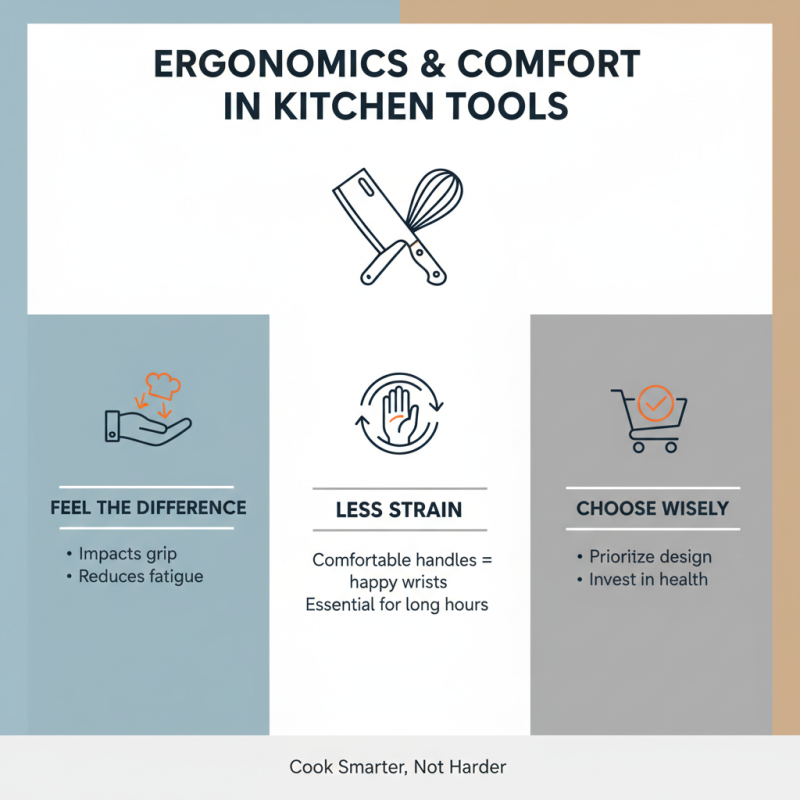
When choosing kitchen tools, ergonomics and comfort play a crucial role. The design of a utensil impacts how it feels in your hand. Well-designed handles reduce strain on your wrist. This is vital for anyone who spends long hours cooking.
Consider the grip of a spatula or the weight of a knife. A light, balanced knife can make chopping easier and more enjoyable. On the other hand, a heavy tool might become cumbersome. Testing a utensil before purchase is essential. Holding it allows you to gauge its comfort.
Adjusting to new kitchen tools can be challenging. Some might find a new knife uncomfortable initially. It takes time to adapt and feel confident. Over time, the right ergonomic tools can transform your cooking experience. Prioritizing comfort can lead to better meals and enjoyment in the kitchen.
Budgeting for Quality Kitchen Utensils
When budgeting for kitchen utensils, quality should never take a backseat. Investing in durable pieces pays off in the long run. Cheap utensils tend to wear down quickly. They can even affect your cooking. Imagine trying to chop vegetables with a flimsy knife. Frustrating, right?
Start by determining what you really need. Consider your cooking habits and meal preferences. A few high-quality utensils are better than many low-quality ones. Think about the materials. Stainless steel, wood, and silicone often outperform plastic.
Set a reasonable budget that aligns with your cooking style. You don't need to spend a fortune. However, saving money on utensils can lead to extra costs later. Replace worn-out tools often. Quality increases efficiency and enjoyment in the kitchen. It’s worth finding a balance between cost and quality. A well-selected tool can inspire creativity and elevate your culinary experience.
Budgeting for Quality Kitchen Utensils
This bar chart illustrates the budgeting for essential kitchen utensils, showcasing the cost of each item that is crucial for a well-equipped kitchen. Investing wisely in quality kitchen tools can enhance your cooking experience.
Storage Solutions for Your Kitchen Utensils
When it comes to organizing kitchen utensils, efficient storage solutions play a crucial role. A recent survey by the National Kitchen and Bath Association reveals that 54% of homeowners struggle with kitchen clutter. Effective storage can enhance both accessibility and functionality.
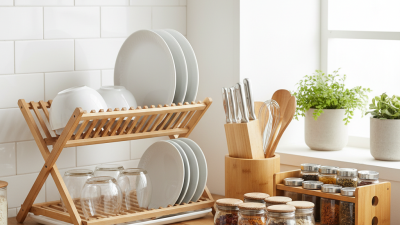
Consider using drawer organizers to keep utensils separated. This prevents them from tangling and makes every tool easy to find. Alternatively, wall-mounted racks can save counter space while displaying your most-used tools. A report from the International Furnishings and Design Association indicated that vertical storage methods have grown in popularity, as they maximize limited kitchen space.
Tip: Group utensils by type or frequency of use. This strategy not only helps you find what you need quickly but also encourages a tidy kitchen environment. Look for multi-functional tools to minimize clutter, as they can replace multiple single-use items.
Another option is using clear containers or bins. Transparency allows you to quickly see contents without rummaging through drawers. This enhances not just visibility but also encourages you to keep a lean cooking space. A study by the American Kitchen Institute found that organized kitchens can reduce meal prep time by up to 25%.
Remember, your kitchen organization should support your cooking habits. Reflect on what works and what doesn’t. Finding the right storage solution may take some time and adjustments.
Maintaining and Caring for Your Kitchen Tools
Maintaining kitchen utensils is crucial for ensuring they last long and perform well. Regular cleaning keeps bacteria at bay. A study showed that over 50% of kitchen tools harbor harmful bacteria if not cleaned properly. It is essential to wash utensils with hot, soapy water immediately after use. Some tools require special care. Wooden utensils may crack or warp when immersed in water. A simple wipe with a damp cloth can keep them in shape.
Proper storage also plays a key role. Utensils piled together can cause scratches and damage. Utilizing drawer organizers or magnetic strips helps maintain their integrity. According to industry reports, well-maintained tools can enhance cooking efficiency by up to 30%. It’s clear that investing time in the care of kitchen utensils pays off in the long run.
While most of us know these basics, many still overlook them. Having a cleaning schedule can be beneficial. Reflect on how often you really assess your tools. Are you letting small damages slide? That could lead to larger issues over time. Taking this responsibility can elevate your cooking experience.
FAQS
: Common materials include stainless steel, plastic, wood, and silicone. Each has unique benefits and drawbacks.
Stainless steel is durable and rust-resistant. It works well for long-term use but can conduct heat.
Plastic utensils are lightweight and affordable but may warp at high temperatures. They can also discolor over time.
Wood utensils need proper care to prevent absorbing odors and moisture. Regular maintenance is crucial for longevity.
Invest in a few high-quality utensils that fit your cooking style. This saves money and enhances your cooking experience.
Use drawer organizers, wall-mounted racks, and clear containers. These methods improve visibility and reduce clutter.
Organized kitchens can reduce meal prep time significantly. It's worth investing time to find what works for you.
Group utensils by type or usage frequency. This keeps everything accessible and supports a tidy kitchen atmosphere.
Opting for cheap, low-quality utensils can lead to frustration and additional costs. Quality matters in cooking efficiency.
A well-chosen utensil can enhance your cooking experience. Reflect on your needs to select tools that inspire you.
Conclusion
Choosing the best kitchen utensils involves a deep understanding of your own cooking style and needs. Start by identifying essential kitchen utensils that align with the types of cuisine you frequently prepare. Consider the materials used in these tools, as durability and safety can greatly impact your cooking experience. Ergonomics and comfort are also crucial, ensuring that the utensils are easy to use for extended periods.
Budgeting for quality kitchen utensils doesn’t mean compromising on performance; investing in the right tools can enhance your cooking efficiency. Additionally, effective storage solutions are important to keep your kitchen organized and your utensils in good condition. Lastly, maintaining and caring for your kitchen tools will prolong their lifespan and ensure they consistently perform well, making your cooking experience more enjoyable.