

Choosing the right supplier for your bamboo cooking utensils can actually make a real difference. It’s not just about getting good products; it’s about finding a partner you can trust to keep quality consistent. Good quality stuff doesn’t just make cooking more enjoyable, it also helps boost your brand’s image. But with so many factories claiming they’re the best, how do you really know which one’s right for you?
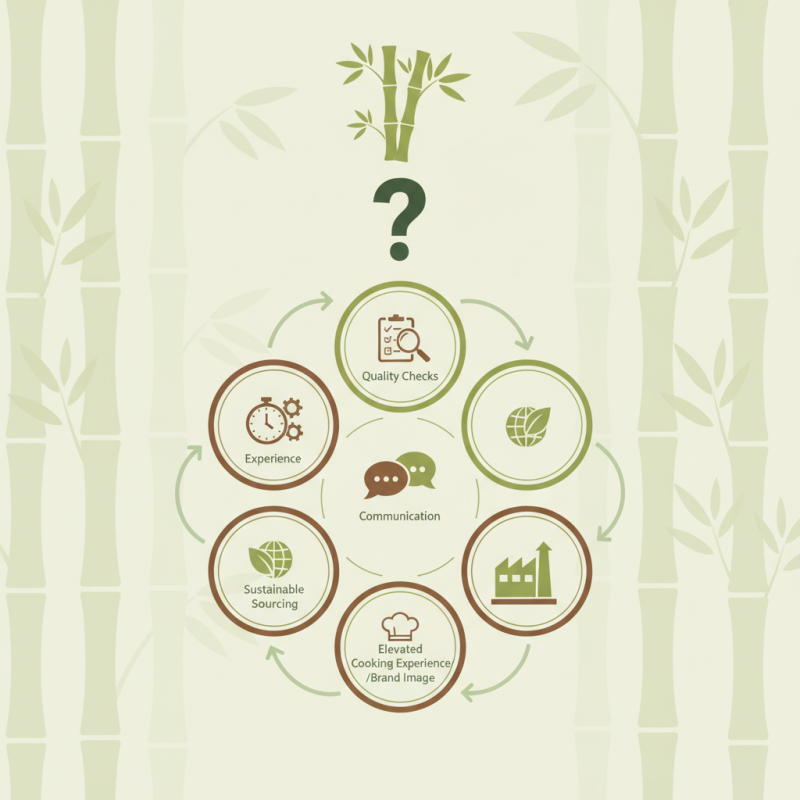
First off, look for factories that have been around for a while. Experience tends to mean they’ve got the hang of things, which usually translates into better products. It’s also a good idea to find out if they do regular quality checks – you don’t want to be stuck with stuff that falls apart after a few uses. Some suppliers might cut corners to save costs, so it’s worth digging into their production process and seeing how they maintain standards.
Another thing to keep in mind is their sourcing materials. Sustainable bamboo should be a top priority—gotta love a company that cares about the environment, right? When a factory makes an effort to be eco-friendly, it usually signals they’re serious about quality too. It’s super helpful to communicate what you’re after and see how open they are to customizing or meeting your specific needs. That way, you can get a sense of whether they’re flexible and willing to work with you.
Of course, not every factory will be perfect right off the bat. There might be some gaps in service or product quality, and that’s okay. Taking the time to evaluate these things will help you make a smarter choice, giving you confidence in your decision. Ultimately, choosing the right bamboo utensil supplier is a big step in shaping your culinary journey — so it’s worth putting in a little extra effort to find the right fit.
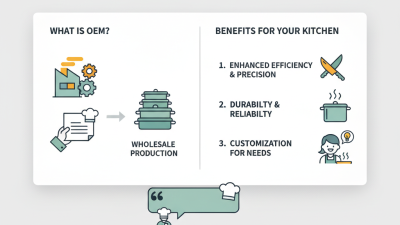
Understanding ODM (Original Design Manufacturer) is crucial for selecting bamboo cooking utensils. ODM refers to a production model where manufacturers design and produce products based on a client's specifications. This is particularly important in the bamboo utensil market, where customization is key to meeting consumer preferences.
Choosing a high-quality ODM factory involves considering their experience and expertise in bamboo products. Look for manufacturers with a proven track record in sustainable production. It’s also essential to verify their certifications related to bamboo sourcing and environmental impact. The factory's ability to innovate designs can influence the quality and appeal of the utensils.
However, not all factories maintain consistent quality. Problems can arise during production, leading to issues with durability or safety. Communication failures can result in misunderstandings about design requirements. Potential clients should engage in thorough discussions and ask for sample products before committing. This prevents costly mistakes and ensures the final product reflects your vision.
When selecting a high-quality ODM bamboo cooking utensils factory, several key factors come into play. One of the most important aspects is their production processes. Look for factories that emphasize sustainable sourcing and eco-friendly practices. This not only ensures quality but also aligns with ethical standards. Inspecting their quality control measures is essential. A reliable factory should have a strong system in place to monitor every stage of production.
Another aspect to consider is the factory's experience in making Kitchen Utensils. Assessing their product range can provide insight into their expertise. Factories with a diverse selection often adapt better to clients' needs. Check reviews and testimonials to gauge customer satisfaction. Though many factories claim to deliver on quality, not all meet expectations. It’s wise to seek credible sources for this information.
Lastly, communication is crucial. A factory that listens and responds effectively can turn your ideas into reality. If they are slow to reply or vague in their answers, it might signal larger issues. Make sure to have initial discussions to see how they understand your vision. Investing time in this process can save headaches later. Quality bamboo utensils are a commitment, not just a purchase.
| Factor | Importance Level | Description |
|---|---|---|
| Material Quality | High | The bamboo must be of high quality, sourced sustainably to ensure durability and safety. |
| Manufacturing Process | High | Look for factories that use eco-friendly processes and have quality control measures in place. |
| Certifications | Medium | Having relevant certifications (e.g., FDA, FSC) can indicate compliance with safety standards. |
| Customization Options | Medium | The ability to customize designs, sizes, and packaging can enhance brand identity. |
| Production Capacity | Medium | Ensure the factory can meet your order volume without compromising quality. |
| Delivery Time | High | Timely delivery is crucial for maintaining your business schedule and inventory. |
| Customer Reviews | Medium | Reading reviews from other clients can provide insight into the factory’s reputation. |
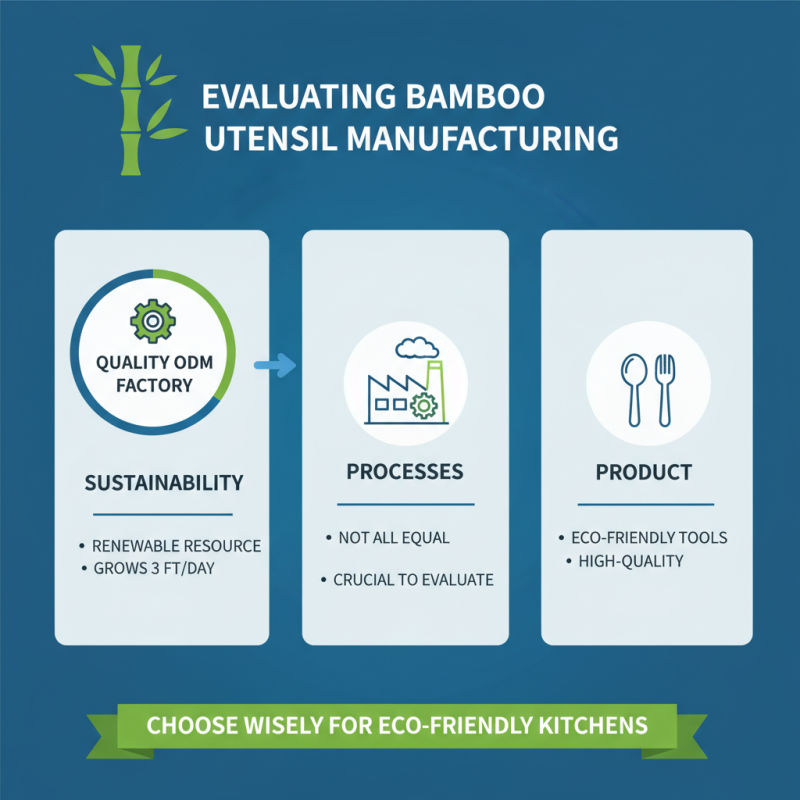
When selecting a high-quality ODM bamboo cooking utensils factory, it's crucial to evaluate their manufacturing processes. Bamboo is a renewable resource praised for its sustainability. Reports indicate that bamboo can grow up to three feet in just one day, making it an ideal material for eco-friendly kitchen tools. However, not all bamboo products are created equal.
Examine the factory’s production methods. Factories should focus on responsible sourcing of bamboo, which ensures minimal environmental impact. Additionally, high-quality bamboo cooking utensils must undergo rigorous quality testing. Research shows that around 30% of bamboo utensils fail quality checks due to improper treatment or finishing processes. Look for manufacturers who prioritize detailed inspection and use food-safe, non-toxic finishes.
Working with a reputable factory can affect your product's market performance. Engaging in transparent communication with potential partners is essential. It can reveal their expertise and commitment to sustainability. Many ODM factories still need to improve their practices, highlighting the need for careful selection. Remember, investing time in evaluation can yield high-quality products, reflecting your brand’s values and reliability. Acacia Wood Utensils also provide a great comparison, showcasing the importance of diverse material choices in your kitchen tool lineup.
Choosing high-quality ODM bamboo cooking utensils requires careful consideration of quality standards and certifications. Bamboo products should meet specific safety and environmental standards. Look for certifications like FSC (Forest Stewardship Council) that ensure sustainable sourcing. This shows the factory’s commitment to eco-friendly practices.
Tips: Always ask for documentation. Check if the factory has undergone recent audits. This can reveal a lot about their production practices.
It's crucial to investigate the materials used. High-quality Bamboo Cooking Tools should be made from mature bamboo, which is more durable. Some factories may cut costs by using younger bamboo, which is less reliable. Inspecting the finish is also essential; a smooth surface will not only be safe but also enhance food preparations.
Tips: Request sample products before placing a large order. Testing their durability and usability can help avoid costly mistakes. Always trust your instincts. If something feels off, it might be worth exploring other options.
Sustainable sourcing of bamboo materials is crucial in the world of cooking utensils. Bamboo is a renewable resource, but not all bamboo is created equal. Some products use unsustainable farming practices, leading to deforestation and ecosystem damage. To truly benefit from bamboo’s eco-friendly nature, it's essential to choose the right sources.
Many factories claim to use sustainable bamboo, but do they? It's necessary to investigate their farming methods. Look for certifications that ensure responsible sourcing practices. Investigate how the bamboo is harvested. Sustainable practices allow the bamboo to grow back quickly without harming the environment.
Moreover, the processing of bamboo matters. Some factories utilize harmful chemicals in production. This can compromise the integrity of the final product. Be careful not to overlook these details. Choosing a factory with a transparent supply chain ensures that you are supporting not just sustainability, but also a healthier planet. It takes effort to select high-quality ODM bamboo cooking utensils, but the positive impact on the environment is worth it.
When choosing a high-quality ODM bamboo cooking utensils factory, customer reviews play a crucial role. According to a recent industry report, over 72% of consumers rely on reviews when making purchasing decisions. Positive feedback often reflects product durability and usability. However, it's vital to scrutinize these reviews. Sometimes, biased opinions can mislead potential buyers.
Tips: Always check multiple platforms for reviews. Look for patterns in feedback. Consistent praise about specific features often indicates reliability.
The factory's reputation is equally important. A well-regarded manufacturer typically boasts better quality control. A study indicates that companies with strong reputations report 29% fewer product defects. Investigate their certifications and compliance with industry standards. A lack of transparency may suggest potential issues.
Tips: Verify the factory's history. A long-standing operation is often more trustworthy. Don’t hesitate to reach out for references from previous clients. This insight can reveal the true quality of their Cooking Tools.
When choosing a high-quality ODM bamboo cooking utensils factory, effective communication is key. Establishing a strong rapport with manufacturers can lead to better products and smoother processes. According to a study by the International Market Research Group, nearly 70% of businesses see enhanced product quality through regular communication with their suppliers. Frequent conversations can clarify expectations and ensure quality remains consistent.
Tips: Be clear about your design requirements. Share samples or sketches when possible. This will help in aligning your vision with the manufacturer’s capabilities.
Support from manufacturers plays a pivotal role in resolving issues. For instance, understanding their production timelines can help avoid unexpected delays. A recent survey indicated that 55% of companies attribute supply chain disruptions to miscommunication. Regular updates and feedback can create a more reliable operational flow.
Tips: Schedule periodic check-ins. This fosters transparency and builds trust. It also allows for necessary adjustments to be made in a timely manner.
Bamboo utensils often depend on seasonal availability. This can affect production schedules. Therefore, it’s essential to remain adaptable. Keeping open lines of communication can help you navigate these challenges effectively.
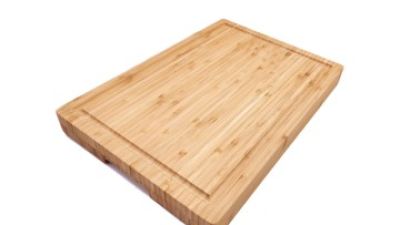
In the quest to maximize kitchen efficiency, selecting the right tools is crucial, and chopping blocks are at the heart of every culinary setup. Recent trends highlight the importance of durability and functionality in professional chopping boards, emphasizing features that enhance the cooking experience. A heavy-duty bamboo chopping block stands out as a prime example. With a thickness of 3.8cm, it is designed to withstand the demands of rigorous kitchen work, making it ideal for both home cooks and professional chefs.
What sets this chopping block apart is not only its durability but also its thoughtful design. Deep juice grooves help contain liquids, preventing messes during food preparation. This functionality complements the block's two professional sizes, catering to various cooking needs and preferences. Furthermore, being 100% sustainable and food-safe makes it an environmental choice without compromising on quality. Crafted by industry experts, this bamboo chopping block ensures stability while minimizing wear and tear, making it an essential tool for maximizing efficiency in any kitchen environment.
: Bamboo grows quickly, up to three feet daily. This makes it an eco-friendly choice for cooking tools.
Examine their production methods and sourcing practices. Ensure they focus on responsible sourcing and quality testing.
Look for manufacturers that use food-safe and non-toxic finishes. Rigorous quality testing is also essential.
Reports indicate that 30% of bamboo products fail quality checks due to improper treatment or finishing.
Effective communication can enhance product quality and prevent misunderstandings that lead to delays.
It protects environments from deforestation and fosters responsible farming practices, benefiting ecosystems.
Regular updates and feedback are essential. Schedule periodic check-ins to ensure smooth operations.
Seasonal availability of bamboo can affect timelines, necessitating adaptability in planning.
Investigate their certifications and farming methods. Transparency in their supply chain is crucial.
Miscommunication can lead to supply chain disruptions, causing delays and impacting product quality.
When choosing a high-quality ODM bamboo cooking utensils factory, it is crucial to understand the significance of original design manufacturing (ODM) in the production of bamboo cooking utensils. Key factors to consider include the factory's manufacturing processes, adherence to quality standards, and relevant certifications that ensure the safety and durability of the products. Sustainable sourcing of bamboo materials is also essential, as it impacts both the product quality and environmental responsibility.
Another important aspect is to analyze customer reviews and the reputation of the factory, which offer insight into the experiences of others with their products. Establishing effective communication and support with manufacturers can facilitate a smoother collaboration, ensuring that your specific requirements are met. By carefully considering these elements, you can make an informed decision when selecting a factory for bamboo cooking utensils, ultimately leading to a successful partnership.