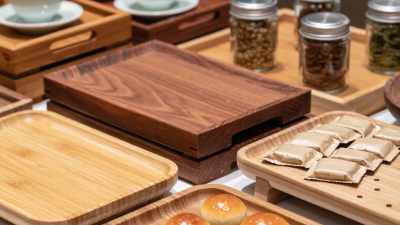
Choosing the right Tea Tray can really make a difference in how smoothly things go — think service speed, customer comfort, and how much it costs you day-to-day. Sure, a pretty tray might catch some eyes, but it also has to hold up after repeated use. In a busy café, your staff might be carrying hot teapots, tiny cups, sugar bowls, and wet utensils all at once — so stability is key, no doubt about it.
When picking one, it helps to consider things like the material, size, weight, drainage, grip, and how easy it is to clean. Bamboo trays give off a warm, natural vibe, which is nice, but stainless steel tends to stand up better to the hustle of a commercial setting. And don’t forget — food-safe finishes are a must. Rounded edges are a plus, too, since they help prevent spills and protect tables. You want a tray that fits comfortably in your space without getting in the way of servers rushing around. So, before placing an order, measure your counter and storage shelves — details really do matter.
Honestly, it’s best to test the tray in real life rather than just going by pictures in a catalog. Try placing a filled teapot on it, take a few steps, and see if it wobbles or shifts. Test it out first! Check for smooth joints, solid handles, and whether water easily drains away. Reputable suppliers should be able to give you clear specs, sample options, and records showing consistent quality. And if something’s damaged, how they handle that says a lot about their reliability. While reviews can be helpful, they shouldn’t replace actually inspecting the product yourself.
Let’s be real — no tray is perfect. Heavier ones might feel safer, but they can tire out your staff over a long shift. On the flip side, lighter trays might make them quicker, but could feel less stable when carrying tall cups. It’s all about weighing these pros and cons honestly within your team. Ultimately, you want a tray that’s a good balance — considering price, how long it lasts, how much time it takes to clean, and the chances of needing a replacement. The best Tea Tray isn’t just the cheapest or the coolest-looking — it’s the one that helps your team serve safely, efficiently, and comfortably every single day.
Understanding the Role of Tea Trays in Business Operations
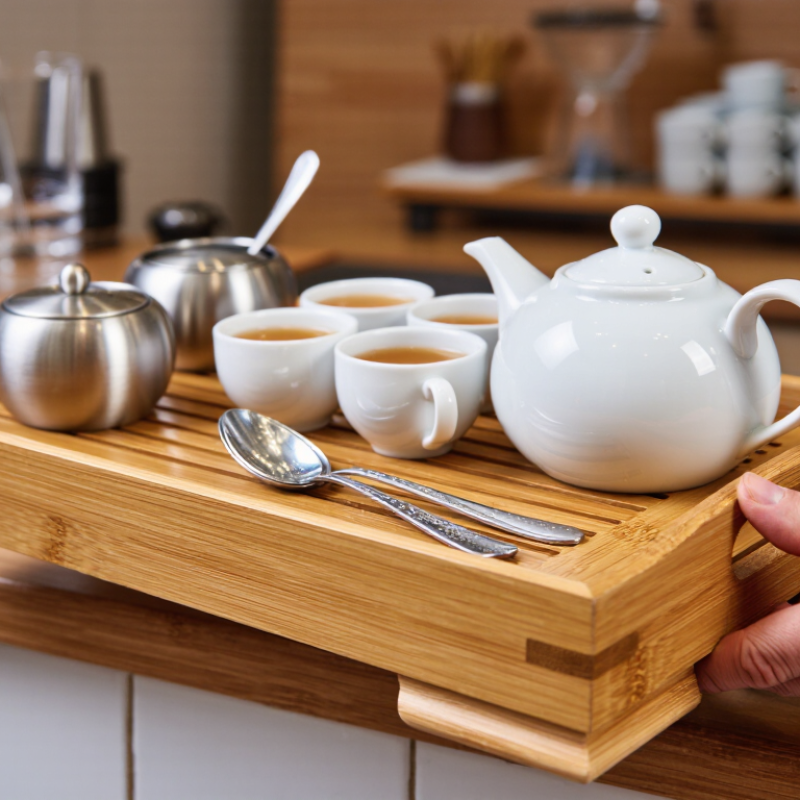
A tea tray is a working tool, not merely a decorative surface. In a busy tea room, it supports carrying, serving, clearing, and resetting tables. A stable tray reduces spills when staff move between narrow aisles. Raised edges help contain loose tea, small cups, and dripping infusers.
Material affects daily operations. Bamboo feels warm and lightweight, while metal often handles frequent washing better. A Bamboo Tea Box can complement the tray by keeping tea portions dry, organized, and easy to identify. However, bamboo requires careful drying.
We have seen moisture collect beneath trays after repeated service, creating avoidable cleaning problems. That detail is easy to miss. A tray should also fit your table size, washing routine, and storage shelves. Test it during a real service period, not only in a showroom.
Tips: Measure the busiest route. Check the tray with full cups. Look for comfortable handles and a balanced center. Choose surfaces that staff can sanitize without damaging the finish. Keep separate trays for hot drinks and used tableware when possible. Record breakage and spill incidents for two weeks. The results may challenge your first choice. A beautiful tray can still slow service if it stacks poorly or becomes slippery when wet. Ask experienced staff for feedback, since they notice small handling issues that managers may overlook.
Comparing Tea Tray Materials, Sizes, and Designs
How to Choose the Best Tea Tray for Your Business?
Material affects safety, appearance, and daily cost. Wooden trays add warmth and suit traditional tea service. However, untreated wood can absorb moisture and odors. Choose sealed hardwood with smooth edges. Stainless steel resists heat, stains, and frequent washing. It feels less personal, though. Bamboo is lighter and renewable, but its finish needs careful inspection. Avoid trays with peeling coatings or unstable handles.
Size should match the service routine. A compact 30-centimeter tray suits one teapot and two cups. Larger trays work for shared service, but they become heavy quickly. The National Restaurant Association’s 2024 industry report projected US restaurant sales above US$1 trillion, showing how small workflow delays can scale across busy operations. In my experience, a tray that looks elegant in a showroom may block narrow tables. Test it with full cups, a teapot, napkins, and a small waste bowl.
Design should support controlled movement. Raised rims help prevent spills, while cutout handles improve grip. Non-slip surfaces are useful, but textured materials can collect tea residue. Grand View Research estimated the global foodservice equipment market at roughly US$37 billion in 2022, with continued growth expected through 2030. That pressure encourages durable purchases, yet durability alone is not enough. Check stacking space, cleaning time, replacement availability, and staff comfort. I once favored a heavier tray because it felt premium. It slowed service. That choice needed more reflection.
How to Choose the Best Tea Tray for Your Business?
Comparing tea tray materials, sizes, and designs for cafés, restaurants, hotels, and retail settings.
Bamboo and wood offer a warm appearance and strong cost efficiency, while stainless steel provides the highest durability and water resistance. Larger trays are better for serving multiple cups but require more storage space. Choose a material and size according to cleaning frequency, service volume, handling conditions, and the visual style of your business.
Assessing Suppliers, Costs, and Long-Term Value
Choosing the best tea tray for your business requires more than comparing unit prices.
A reliable supplier should explain material thickness, surface treatment, weight limits, and production tolerances. Request physical samples before placing a large order. Inspect the tray under bright light. Check for sharp edges, unstable feet, uneven coating, and handles that loosen after repeated use.
Ask for clear pricing at several quantities.
Include tooling, packaging, shipping, inspection, storage, and replacement costs. A low factory price can become expensive when damaged trays arrive or delivery dates change. Ask for proof of quality procedures and relevant material documents. Confirm that the materials suit your serving environment and local requirements. Written specifications reduce misunderstandings. They also make supplier comparisons fairer.
Long-term value depends on daily performance.
Test a sample with wet cups, a full teapot, and frequent wiping. Measure whether it stains, bends, or becomes slippery after several weeks. Cheap is rarely cheap. I once valued a low quote too highly. The trays looked attractive, but their coating failed near the handles. That mistake taught me to calculate cost per usable year, not cost per piece. A dependable supplier should discuss replacement parts, defect handling, lead times, and communication during production. Ask for a small trial order first. It may slow purchasing, but it reveals more than polished catalog images.
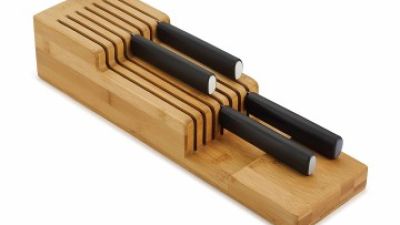
Smart Kitchen Storage: Choosing the Best In-Drawer Bamboo Knife Block Organizer for Your Home
As kitchens become more compact and multifunctional, organized drawer storage is increasingly important. The 2024 U.S. Houzz Kitchen Trends Study reports that roughly three-quarters of renovating homeowners upgrade their cabinet storage, reflecting a clear preference for practical, accessible solutions. An in-drawer bamboo knife block organizer supports this trend by keeping knives separated, visible, and safely below the countertop. Bamboo is also a renewable material with a warm appearance, making it a natural fit for modern, minimalist kitchens.
When choosing an organizer, measure the drawer’s internal length, width, and height rather than relying on exterior cabinet dimensions. Look for secure knife slots that fit different blade sizes, a stable base or non-slip feet, and smooth edges that will not damage drawer surfaces. A well-designed model should leave enough clearance for the drawer to close without pressing against the knife handles. The National Kitchen & Bath Association’s kitchen design research consistently places storage efficiency and ease of access among key homeowner priorities, so capacity should be balanced with usability rather than maximized alone. Select a removable, easy-to-clean insert, keep it dry, and position heavier knives in reinforced slots to maintain stability over time.
Conclusion
Choosing the right Tea Tray can improve the efficiency, presentation, and overall quality of beverage service in any business. Start by considering how the tray will be used, including the volume of service, available workspace, beverage types, and handling frequency. Compare materials such as wood, metal, plastic, or composite options based on their weight, appearance, stability, and resistance to moisture. Size and design should match the serving environment, while non-slip surfaces, comfortable handles, and balanced construction can improve safety and usability.
Durability and easy maintenance are also essential for long-term value. Select trays that can withstand regular cleaning, frequent movement, and everyday wear without losing their function or appearance. The style should support your business image, whether the service is formal, casual, traditional, or modern. Finally, evaluate suppliers by product consistency, customization options, delivery reliability, pricing, and after-sales support. A slightly higher initial cost may be worthwhile if the Tea Tray offers better durability, safer operation, and lower replacement and maintenance expenses over time.