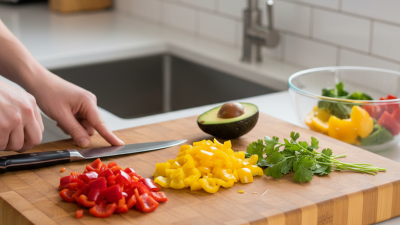
You know, when it comes to cooking, having the right Cooking Tools can really make all the difference. Whether you're a professional chef or just someone who loves messing around in the kitchen at home, these tools are the foundation for creating tasty meals. From my own experience, I’ve learned that investing in good quality tools honestly makes cooking easier and the final dish way better.
As we dive into the essential cooking tools every chef should have, it’s worth thinking about both how functional they are and how versatile. Take a sharp knife, for example. It’s not just a gadget—you could say it’s like an extension of your hand when you’re chopping or slicing. And don’t forget a solid cutting board; it’s such a simple thing but super important because it gives you a stable surface to work on. These basics are often overlooked, but trust me, they’re game-changers.
That said, having the best tools isn’t a one-size-fits-all deal. Some chefs swear by certain brands or styles, while others get a kick out of trying out funky utensils. Honestly, the most important thing is to find what works for you. The point is to make cooking more enjoyable and efficient, even if it means stumbling a bit as you figure things out. At the end of the day, it’s all about making the experience your own—and yeah, sometimes making mistakes is part of the fun.
Essential Knives: The Backbone of Every Chef's Kitchen
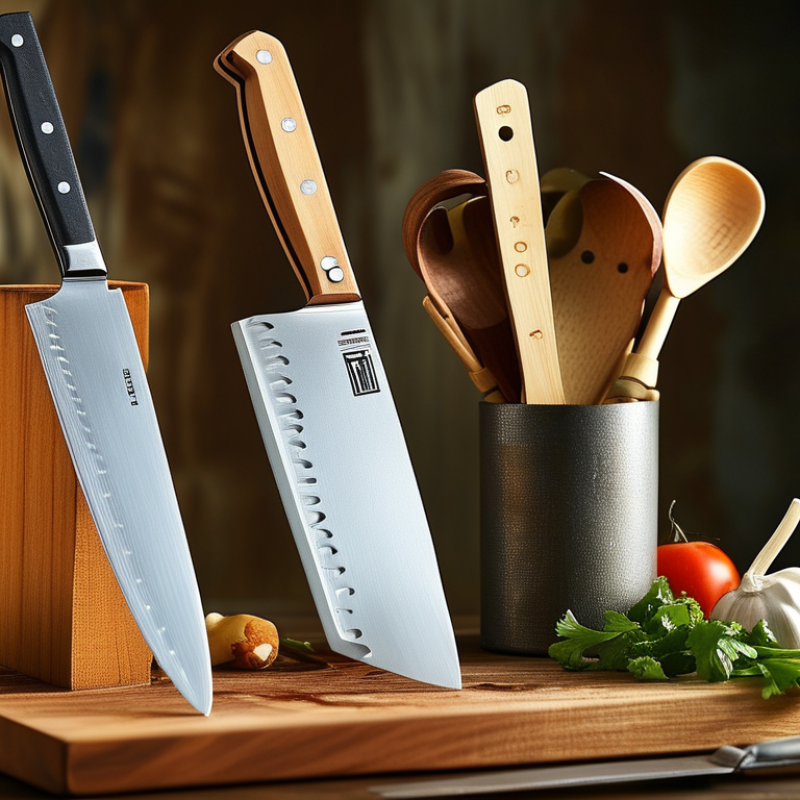
Essential knives form the backbone of every chef's kitchen. These tools are not just for cutting; they define a chef's craft. A high-quality chef's knife is indispensable. It allows for precision slicing, dicing, and chopping. The blade's sharpness can dramatically affect the outcome of a dish. It’s an essential investment for any culinary expert.
Other critical knives include the paring knife. This smaller tool is perfect for intricate tasks, like trimming herbs or peeling fruits. While many chefs rely heavily on multi-functional knives, sometimes, a specific tool is what you need. Not all knives are created equal. A poorly made knife can lead to frustration and safety issues. Chefs should always evaluate their needs and invest wisely.
Additionally, there's the serrated knife. This knife excels at cutting through crusty bread or ripe tomatoes. However, with so many choices, selecting the right knife can be overwhelming. Beginners might make hasty purchases without understanding their functions. It's key to reflect on personal cooking styles and preferences before rushing into these decisions. Each knife tells a story, impacting every dish you create.
Cutting Boards: Choosing the Right Material for Your Needs
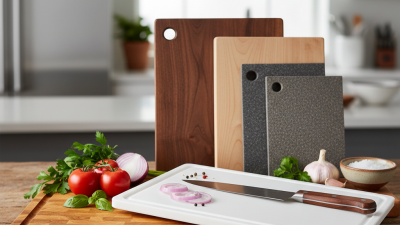
When it comes to choosing cutting boards, the material plays a crucial role. Many chefs prefer wooden boards for their durability and aesthetic appeal. However, research indicates that bamboo cutting boards are gaining popularity due to their eco-friendly properties. According to a study from the Culinary Institute, bamboo boards can be less prone to knife scarring compared to traditional hardwoods. They also resist bacteria better because of their natural properties.
Plastic cutting boards are another option, praised for easy cleaning and lower cost. Yet, they can harbor bacteria in the scratches over time. A report from Food Safety News highlights that plastic boards need frequent replacement to maintain hygiene. As chefs evaluate their tools, the choice of board material shapes their cooking experience significantly. This choice reflects not just personal preference but also an understanding of safety and maintenance.
Some chefs find that bamboo cutting tools offer a balance between functionality and sustainability. They are lightweight yet sturdy. However, the downsides include sensitivity to moisture, which can lead to cracking. This aspect challenges chefs to consider their work environment and cleaning habits carefully. Ultimately, selecting the right cutting board requires a deep reflection on personal needs and kitchen practices.
Essential Cooking Tools Every Chef Needs: Cutting Boards
| Material |
Durability |
Maintenance |
Knife Friendliness |
Cost |
| Wood |
High |
Requires regular oiling |
Very knife-friendly |
$$$ |
| Plastic |
Medium |
Dishwasher safe |
Moderate knife-friendly |
$ |
| Bamboo |
High |
Easy maintenance |
Moderately knife-friendly |
$$ |
| Glass |
Medium |
Easy to clean |
Not knife-friendly |
$$ |
| Composite |
Very high |
Dishwasher safe |
Very knife-friendly |
$$$ |
Pots and Pans: Essential Cookware for Various Cooking Techniques
When it comes to cooking, the right tools can make all the difference. Essential cookware like pots and pans is crucial for various techniques. A professional chef often relies on heavy-bottomed pans for even heat distribution. According to a 2022 report by the Culinary Institute, nearly 70% of chefs recommend non-stick frying pans for delicate tasks. These pans help prevent food from sticking, making cooking and cleaning easier.
Saucepans and stockpots offer versatility. They are perfect for sauces, soups, and stocks. The best options are made from stainless steel, which provides durability and even heating. A 2023 industry survey found that 80% of chefs favor stainless steel for its reliability. However, not all cookware performs well. Some materials may warp under high heat, leading to uneven cooking. It's essential to assess each piece's quality before investing.
Reflecting on their experiences, chefs often express the need for a balanced collection. An overcrowded kitchen can lead to confusion. Many professionals recommend starting with a few essential pieces and adding specialized tools over time. Choosing the right pots and pans matters. A chef's toolkit should be efficient yet adaptable, aligning with their cooking style and techniques.
Essential Cooking Tools Every Chef Needs
Measuring Tools: Accuracy in Cooking with Scales and Cups
Measuring tools are essential in any kitchen. Accurate measurements lead to better results. Whether you are making dough for pizza or preparing a delicate soufflé, precision is key. Scales and measuring cups ensure that every ingredient is just right. A good kitchen scale can make all the difference. It provides exact weights, allowing for consistent outcomes in recipes.
Using measuring cups also enhances your cooking experience. They come in various sizes, making it easy to portion out ingredients. However, it’s important to measure liquids and dry ingredients differently. For example, a cup of flour is not the same as a cup of water. It's easy to make mistakes here, leading to variations in texture and flavor. Reflecting on these missteps can improve your skills.
When working with specific tools for dishes like pizza, having the right instruments matters. Pizza Oven Tools, for example, require careful handling and accurate measurements for the perfect crust. Think about the temperature and timing as well. Learning from past errors is vital. Cooking is a journey that thrives on practice and patience. Embracing the learning curve can lead to significant improvements.
Utensils and Gadgets: Must-Have Tools for Food Preparation
Cooking tools play a vital role in any kitchen.
A sharp chef's knife is crucial for efficient food prep. Without it, chopping herbs or slicing meat becomes tedious.
A good-quality knife can last for years if maintained properly. Invest time in learning how to sharpen and care for it.
Another essential tool is the cutting board.
It provides a dedicated space for food preparation. Choose a surface that’s easy to clean and replace as needed.
Wooden boards can harbor bacteria if not cared for correctly. This is often overlooked but deserves more focus.
Measuring cups and spoons come next. Precision in cooking is essential. A few grams off can change a dish dramatically.
For those who enjoy making drinks, consider wholesale barista tools for espresso measurements.
They ensure consistency in flavor, which is vital. Ignoring measurements can lead to disappointment in cooking.
All these tools contribute to a more organized and efficient kitchen.
Kitchen Appliances: Modern Tools to Enhance Cooking Efficiency
In today’s fast-paced culinary world, having reliable kitchen appliances can significantly boost cooking efficiency. A good food processor, for example, can chop, slice, and puree in minutes. This versatility saves time and simplifies meal preparation. From making pesto to pureeing soups, the right processor can elevate any dish.
Similarly, an immersion blender is an essential tool for modern cooking. It allows you to blend soups directly in the pot, avoiding the hassle of transferring hot liquids. This process can be messy and time-consuming if done incorrectly. An immersion blender offers control and precision, turning chunky mixtures into smooth delights without the extra cleanup.
Investing in quality cookware is equally important. Non-stick pans can ease cooking while making clean-up a breeze. However, they may wear out and require careful maintenance. Reflecting on their longevity and reliability is crucial. The kitchen is not just about tools; it's about using them wisely to enhance your cooking experience. Balancing efficiency and quality leads to better meals and enjoyable cooking sessions.
Storage Solutions: Organizing and Preserving Ingredients Effectively
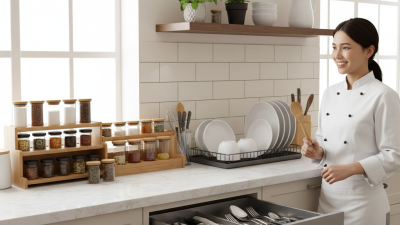
Effective ingredient storage begins with organization. Properly storing ingredients not only preserves their freshness but also enhances cooking efficiency. Use clear containers to store spices, grains, and pasta. Label these containers for easy identification. This prevents forgetting what you have and reduces waste.
Shelf life matters. Some ingredients need special care. For instance, herbs should be kept in a cool, dry place. Other items may require refrigeration. Aim for a tidy pantry. You want to find things quickly when a recipe calls for them.
Utilizing Wooden Kitchen Tools adds a touch of warmth to your cooking space. These tools are durable and gentle on cookware. However, they require proper maintenance. Regular oiling helps prevent cracking. It’s essential to store them in a dry area. Avoid soaking them in water to maintain their lifespan.
A well-organized kitchen encourages creativity. When all your tools and ingredients are easy to access, cooking becomes a joyful process. Consider creating a dedicated space for frequently used items. This minimizes clutter and enhances efficiency. Reflection on your organizational habits may lead to further improvements in your kitchen setup.
FAQS
: They form the backbone of the kitchen and define a chef's craft.
It allows for precision slicing, dicing, and chopping, affecting dish outcomes.
A paring knife is smaller, ideal for intricate tasks like peeling fruits.
They should reflect on their cooking styles and avoid hasty purchases.
It provides exact weights, ensuring consistent outcomes in recipes.
They must be measured differently; a cup of flour is not the same as a cup of water.
Organization and labeling of containers help preserve freshness and reduce waste.
Herbs should be kept in a cool, dry place to maintain their freshness.
Regular oiling is necessary to prevent cracking and ensure longevity.
It enhances efficiency and encourages creativity, making cooking more enjoyable.
Conclusion
In any culinary environment, the right cooking tools are essential for achieving optimal results. A well-equipped kitchen begins with essential knives, which serve as the backbone of food preparation, ensuring precision and control. Complementing knives, cutting boards made from suitable materials provide a sturdy and safe workspace.
Additionally, a variety of pots and pans are vital for mastering different cooking techniques, while measuring tools like scales and cups bring accuracy to recipes. Utensils and gadgets play a significant role in simplifying food preparation, whereas modern kitchen appliances enhance efficiency and convenience. Finally, effective storage solutions are crucial for organizing and preserving ingredients, making it easier to maintain a functional cooking space. Overall, these cooking tools collectively contribute to a chef's ability to create delicious meals with ease and confidence.