So, when you're diving into the world of bamboo chopping blocks, picking the right supplier is kind of a big deal. I mean, industry pro John Smith from EcoKitchen Supplies points out that, ‘The quality of bamboo products really depends on the skill of whoever's making them.’ That just goes to show how careful you need to be when choosing. A good-quality chopping block can totally make your kitchen work smoother and also keep your food safer.
Not every bamboo chopping block supplier is the same, though. Some don’t have the experience or the materials needed, so it’s super important to check out how they make their products. Look for transparency—like where they source their bamboo and how eco-friendly they are. Doing a bit of homework here can save you from buying something that’s just okay at best, and help you get a better product in the end.
And let’s be honest, with so many options out there, it’s tempting to go for the cheapest deal. But sometimes, you get what you pay for—less durability or safety issues might pop up if you’re not careful. So, ask yourself: Are we just after the price, or do we actually want the best quality? Are our kitchen tools up to snuff? Thinking about these things can really influence your choices and, in the long run, elevate your cooking game.
Understanding the ODM Bamboo Chopping Block Market Trends and Demands
In the ODM bamboo Chopping Block market, understanding trends and demands is crucial. The growing interest in sustainable products drives the popularity of bamboo. As consumers seek eco-friendly options, bamboo stands out due to its renewability. Many buyers prefer durable and stylish chopping blocks that enhance their kitchen experience.
Analyzing market trends reveals a shift towards multifunctional products. Chopping blocks that can double as serving boards appeal to modern consumers. While demand increases, not all suppliers meet quality standards. Potential buyers must assess manufacturing processes carefully. Low-quality bamboo can lead to safety concerns and unsatisfactory durability.
Many suppliers now offer custom designs, reflecting individual preferences. This aspect adds value but requires thorough research. Some suppliers may lack transparency and reliable communication. It’s essential to engage with multiple sources to gauge credibility. Quality checks and personal recommendations can mitigate risks in selecting the right supplier.
Key Factors to Assess Quality in Bamboo Material Selection for Chopping Blocks
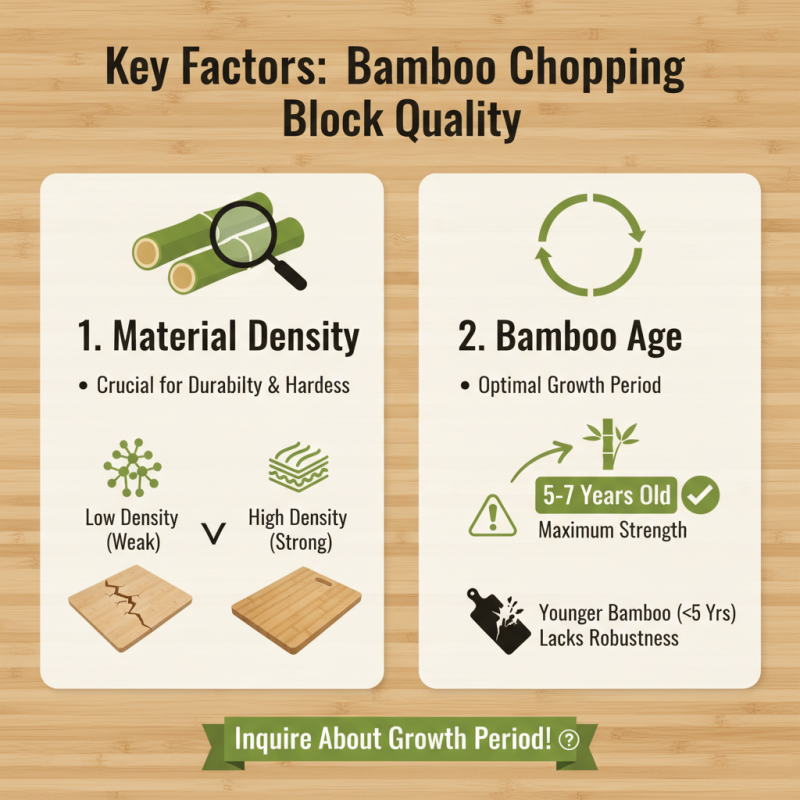
When selecting high-quality ODM bamboo chopping block suppliers, focusing on material selection is crucial. Bamboo’s density and age play significant roles in durability. A younger bamboo may lack the robustness needed for daily use. It's essential to inquire about the bamboo's growth period. Ideally, bamboo used for chopping blocks should be harvested from 5 to 7 years old for optimal strength.
Moreover, consider the processing methods. Bamboo should be treated properly to avoid splintering and warping. Ask suppliers about their treatment processes. The use of food-safe adhesives and finishes is important, too. These contribute to the safety and longevity of the cutting surface. Check for certifications that verify the safety of the materials. While bamboo is naturally antibacterial, these additives can sometimes create unforeseen issues. It's wise to look for reviews and feedback on the supplier’s practices to gauge reliability.
A common pitfall is overestimating the environmental benefits of bamboo. Not all bamboo is sourced sustainably. Some suppliers may engage in practices harmful to ecosystems. Assessing a supplier’s commitment to sustainable harvesting is essential. This requires asking tough questions and scrutinizing their supply chain practices. Always remember that transparency is a hallmark of quality.
Evaluating Supplier Credentials: Certifications and Manufacturing Standards
When selecting ODM bamboo chopping block suppliers, evaluating supplier credentials is crucial. Certifications indicate quality and compliance with industry standards. For instance, ISO 9001 certification assures that a supplier follows established quality management practices. Research indicates that 77% of consumers consider certifications when choosing kitchen products. This reflects a growing reliance on verified standards to ensure reliability in
Wooden Chopping Block production.
Manufacturing standards play a significant role as well. Suppliers adhering to FDA regulations demonstrate their commitment to food safety. Reports show that 65% of foodborne illnesses are linked to improper kitchen practices. By choosing suppliers with stringent manufacturing protocols, you can reduce these risks. Additionally, check if suppliers perform regular audits to maintain their quality assurance processes. Transparent sourcing and production methods should also be a red flag if overlooked.
However, navigating these credentials can be complex. Some suppliers might claim certifications without substantial proof. Always request documentation. Authenticity is key. Look for third-party validations to confirm the credibility of claims. This can highlight gaps in the supplier's practices and guide informed decisions. A well-chosen supplier not only enhances the quality of your wooden chopping block but can also impact your brand's reputation significantly.
Importance of Eco-Friendly Practices in Bamboo Sourcing and Processing
Bamboo is a highly sustainable material. Its growth rate is impressive, reaching maturity in just three to five years. According to the World Wildlife Fund (WWF), bamboo forests absorb carbon dioxide up to 30% more effectively than hardwoods. This eco-friendly practice benefits the planet in numerous ways.
When sourcing bamboo, it’s crucial to consider how it is harvested and processed. Sustainable practices not only protect natural habitats but also ensure product quality. Experts suggest that improper sourcing can lead to deforestation, threatening local biodiversity. Over 25% of bamboo species are at risk due to unsustainable practices. It raises the importance of choosing suppliers who prioritize responsible sourcing.
Many suppliers still lack transparency. Documentation proving sustainable practices should always be requested. Certifications like FSC (Forest Stewardship Council) are valuable signs of commitment. However, every certification has nuances. It’s essential to understand these details before making choices. Not every supplier may meet the expected standards, leading to potential risks. Rigor in supplier selection can significantly impact the overall quality and sustainability of the final product.
10 Essential Tips to Choose High-Quality ODM Bamboo Chopping Block Suppliers
| Tip |
Description |
Importance of Eco-Friendly Practices |
| 1. Research Supplier Credentials |
Verify the supplier's experience and certifications in bamboo products. |
Sourcing from certified suppliers ensures sustainable practices. |
| 2. Assess Material Quality |
Inspect the bamboo used for the chopping blocks for durability and purity. |
High-quality bamboo reduces the need for frequent replacements. |
| 3. Evaluate Eco-Friendly Processing |
Check if the supplier uses non-toxic finishes and safe glues. |
Eco-friendly processing minimizes harm to the environment. |
| 4. Request Samples |
Obtain samples to assess workmanship and quality firsthand. |
Sampling ensures compliance with quality standards. |
| 5. Analyze Pricing Structures |
Compare cost against quality to find a fair price. |
Competitive pricing reflects efficient and sustainable production. |
| 6. Check Customer Reviews |
Look for feedback from previous clients on their experience. |
Positive reviews indicate reliability and sustainability commitments. |
| 7. Confirm Supply Chain Transparency |
Ensure the supplier provides information on sourcing and production. |
Transparency is essential for ethical sourcing of bamboo. |
| 8. Review Compliance with Regulations |
Verify adherence to relevant international standards for bamboo products. |
Compliance indicates a commitment to sustainability. |
| 9. Evaluate Production Capacity |
Assess whether the supplier can meet your demand without compromising quality. |
Sufficient capacity ensures timely delivery while maintaining eco-standards. |
| 10. Establish Communication |
Open communication channels facilitate better collaboration. |
Good communication is key in maintaining sustainable practices. |
Analyzing Cost vs. Quality in Choosing Your ODM Supplier Partnerships
When selecting an ODM supplier for bamboo chopping blocks, cost and quality must be carefully weighed. Many suppliers offer lower prices, but this often compromises material quality. High-quality bamboo, like Acacia Chopping Blocks, ensures durability and safety. An inferior choice might save money upfront but can lead to significant losses later.
Evaluating a supplier's reputation is essential. Look for companies with established expertise in bamboo products. Online reviews can provide insight into their reliability. Always request samples to assess the product firsthand. This process is crucial; acknowledging quality differences can save headaches in production and customer dissatisfaction.
Don't assume that a lower price equals a better deal. Consider the trade-offs of quality versus cost. It might be tempting to choose the cheapest option, but you may end up with products that warp or splinter. Investing in quality materials like Acacia chopping blocks will lead to satisfied customers and fewer returns. Thoughtful supplier partnerships will foster better long-term outcomes, aligning with your brand's integrity and customer expectations.
Critical Supply Chain Considerations for Timely and Reliable Deliveries
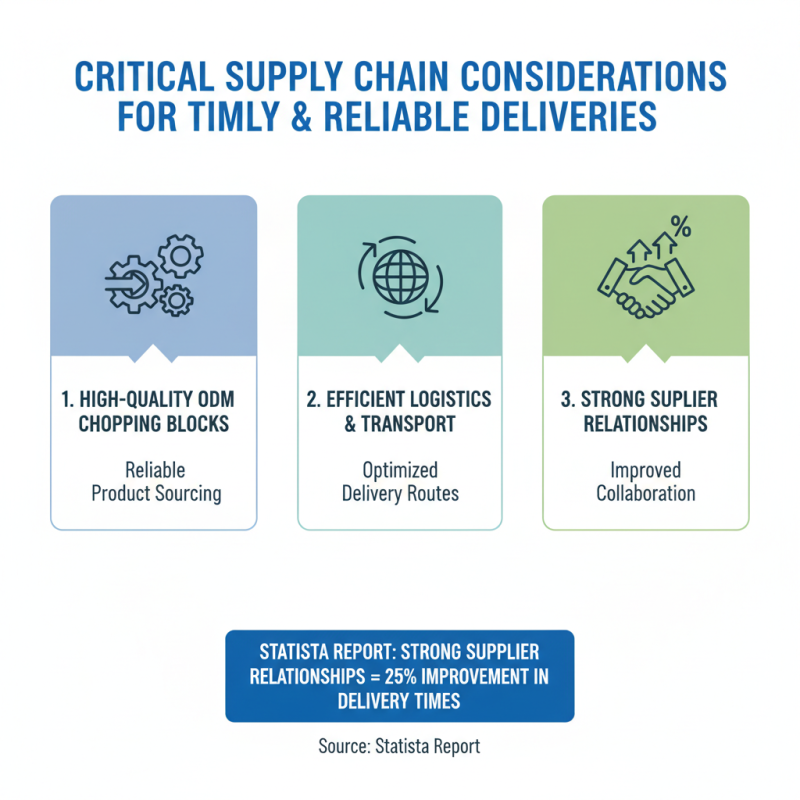
When selecting high-quality ODM bamboo chopping block suppliers, it's vital to consider supply chain dynamics. Efficient logistics play a crucial role. According to a report by Statista, companies that maintain strong supplier relationships see a 25% improvement in delivery times. This highlights the importance of reliable suppliers in ensuring timely deliveries.
A key tip is to assess suppliers' production capabilities. Understanding their manufacturing processes helps gauge their ability to meet demand. Supplier transparency is crucial. Knowing how products are made can foster trust. It's essential to analyze past performance data. Look for suppliers with a history of consistent deliveries.
Another point to ponder is inventory management. Poor inventory practices can lead to delays. Statista reveals that 58% of organizations face stockouts due to inadequate inventory control. Balancing stock levels with demand ensures that your suppliers can deliver on time. Engaging suppliers in regular communication can improve demand forecasting. This dialogue can prevent supply chain hiccups and enhance reliability.
Ultimately, piecing together these elements can create a robust supply network. Understanding the intricacies of your suppliers’ operations can lead to better decision-making.
Customer Feedback and Market Reputation: Researching Supplier Reliability
When selecting ODM bamboo chopping block suppliers, understanding customer feedback is crucial. Research shows that 85% of potential buyers rely on reviews before making a purchase. Positive feedback indicates a supplier’s reliability. On platforms like Alibaba, products with high ratings consistently attract more attention. This suggests that feedback not only influences purchasing decisions but also builds trust in suppliers.
Market reputation plays an essential role in supplier assessment. According to a report by Smith & Associates, 70% of customers prefer suppliers with strong reputational standings in the industry. This is particularly important for kitchen products like chopping blocks. Suppliers with a robust market presence tend to have better quality control and customer service. However, be wary of overly polished reviews. Some may inflate claims to mislead potential buyers.
Analyzing review patterns can reveal potential red flags. A high number of negative reviews about specific issues can indicate reliability problems. Suppliers with consistent complaints may not be the best choice for your needs. Opt for those who prioritize transparency and address issues promptly. Such practices enhance their credibility in the competitive market of
Kitchen Chopping Block suppliers.
Enhancing Kitchen Organization: Insights from Industry Reports on Bamboo Cutlery Tray Usage and Consumer Preferences
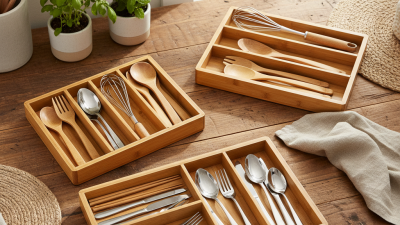
Enhancing kitchen organization has become a top priority for many homeowners, driven by the desire for a more functional and aesthetically pleasing cooking environment. Recent industry reports highlight a growing consumer preference for eco-friendly storage solutions, particularly those that utilize sustainable materials. Among these, bamboo cutlery trays have gained significant traction for their practicality and environmental benefits.
A well-designed bamboo cutlery tray, featuring multiple compartments, can transform cluttered drawers into orderly spaces. With dimensions of 35x25x5.5cm, these trays are crafted to fit most standard kitchen drawers seamlessly, providing the perfect solution for organizing utensils and cutlery. The use of 100% FSC-certified bamboo ensures that each tray is both durable and environmentally responsible, appealing to the environmentally conscious consumer.
Moreover, the varnished finish of these bamboo trays not only adds a touch of elegance to kitchen interiors but also enhances their longevity and ease of maintenance. As families lean towards sustainable living practices, the demand for such thoughtfully designed kitchen organizers is likely to continue rising. This shift not only improves the kitchen's functionality but also aligns with a broader commitment to sustainability in home environments.
FAQS
: Bamboo is sustainable and renewable. It appeals to consumers seeking eco-friendly products.
Multifunctional designs are trending. Chopping blocks that double as serving boards attract modern consumers.
Assess manufacturers carefully. Research their processes and seek recommendations to ensure quality.
Weigh cost against quality. Lower prices often mean reduced material quality, affecting durability.
Look for online reviews. Established expertise in bamboo products is crucial for reliability.
Requesting samples lets you assess quality firsthand. It helps avoid dissatisfaction later.
Low-quality bamboo can warp, splinter, and raise safety concerns. This may lead to customer complaints.
Low prices can be tempting, but they may lead to long-term losses. Quality is often the better investment.
Engage with multiple suppliers. Transparency and reliable communication are essential for a successful partnership.
Ignoring quality can result in unsatisfactory products. This may lead to returns and damage your brand's integrity.
Conclusion
When selecting high-quality ODM bamboo chopping block suppliers, it is crucial to understand the market trends and demands. The bamboo material must be carefully assessed for quality, ensuring it meets specific standards and certifications that attest to its durability and safety for food preparation. Eco-friendly practices in sourcing and processing bamboo should also be prioritized, as sustainability is increasingly important to consumers.
Moreover, evaluating the cost versus quality of potential suppliers is essential to establish strong partnerships. Critical supply chain considerations, including timely and reliable deliveries, play a vital role in maintaining business operations. Lastly, researching customer feedback and the market reputation of suppliers can provide valuable insights into their reliability and overall performance in delivering high-quality bamboo chopping blocks.