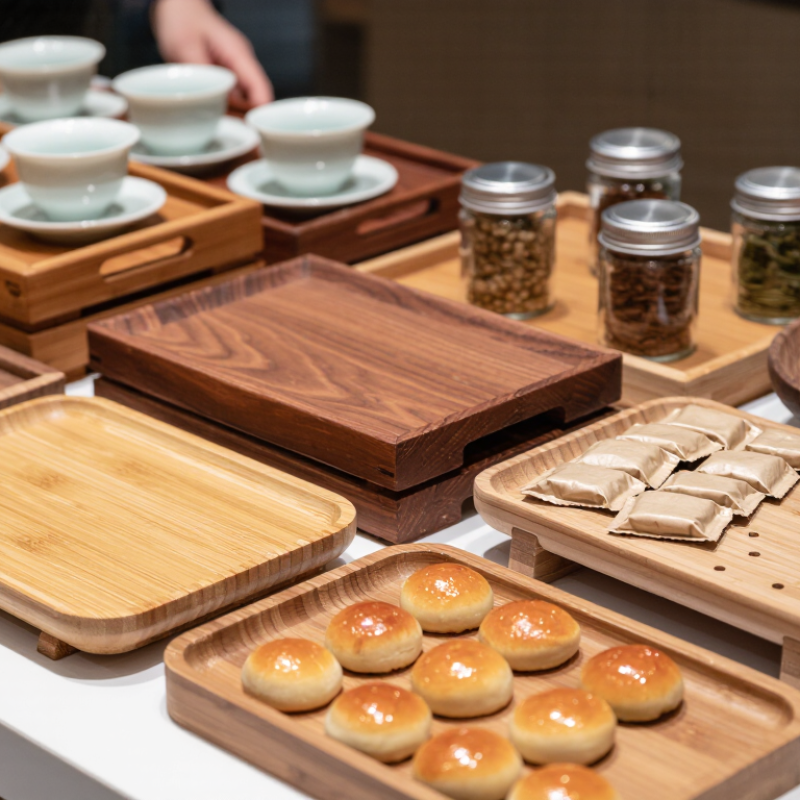
Choosing the right Wooden Tray isn’t just about picking something that looks good—it can actually impact how you present things, your workflow, the safety of your products, and how customers see your business. It’s tempting to just focus on pretty wood grain, but there’s more to it. For example, a restaurant might need trays that resist heat and are easy to stack, while a bakery might prefer shallow edges for quick handling and simple cleaning. Hotels, on the other hand, will want uniform sizes across hundreds of trays, and every detail counts. In other words, it’s not one-size-fits-all.
Paul Sellers, a well-respected woodworking teacher, once said, “The best way to learn woodworking is by doing woodworking.” That same practical perspective applies here. Always ask for actual samples before committing to a big order. Put real cups, plates, jars, or whatever else you’ll use inside them, and handle each one—lift it with one hand, give it a good shake. Check for any flexing, sharp edges, unstable feet, or corners that are tricky to clean. Just looking at photos in a catalog can’t tell you everything.
Material choice is also super important. Bamboo tray can look sleek and modern, while woods like acacia or rubberwood bring more character. But keep in mind that the actual wood species, moisture content, finish quality, and how the joints are made can differ a lot from one supplier to another. Always ask if the finish is food-safe and suitable for your environment. Make sure to verify the load capacity, packaging standards, options for replacements, and whether they can deliver consistently. A deal that looks cheap upfront might turn out to be costly later if trays break easily, need lots of returns, or don’t match your branding perfectly.
No single tray is perfect for every business. The one perfect for luxury room service might not hold up in a busy café. I’ve seen buyers get too hung up on how things look and forget about storage or everyday practicality—that’s a costly mistake. At the end of the day, the best choice finds a good balance between function, durability, easy maintenance, and how customers will experience it. This guide should help you compare those factors clearly, but here’s a question you should always ask yourself: what will this tray actually face day in and day out?
Define Your Business’s Wooden Tray Requirements
How to Choose the Right Wooden Tray for Your Business?
Define Your Business’s Wooden Tray Requirements
Choosing a wooden tray should begin with your daily operations, not its appearance. Identify what the tray will carry, where it will be used, and how often staff will handle it. A café may need compact trays for cups and plates, while a hotel may require larger trays for room service. Measure your tables, shelves, storage areas, and serving counters before ordering.
Measure twice.
Consider weight, surface finish, and cleaning routines. A tray carrying full glasses needs strong handles and a stable base. Smooth, sealed wood can resist moisture, but it still requires prompt drying. Ask whether employees can lift the loaded tray comfortably. I once underestimated this issue, and attractive trays became tiring during busy shifts. That mistake affected service speed.
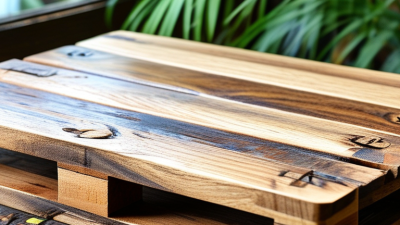
Your design should also match your customer experience. A Rustic Wooden Tray can create a warm, handcrafted atmosphere, but its rougher appearance may not suit every setting. Check the wood grain, corner construction, and underside supports. Request a sample before buying in quantity. Test it with real items, including heavy dishes and tall drinkware. Small details reveal problems quickly.
Do not ignore replacement needs. Even durable trays eventually show scratches, stains, or loose joints. Confirm whether the supplier offers consistent sizes and materials over time. Document your preferred dimensions, finish, carrying capacity, and cleaning method. Requirements written clearly make purchasing more reliable, though they may need revision after real workplace testing.
Compare Wooden Tray Materials, Grades, and Finishes
For a café, hotel, or retail business, material choice affects weight, durability, and appearance. Beech offers a smooth, pale surface and consistent grain. It suits printed designs and clean interiors. Acacia has stronger color variation and a more decorative look. Bamboo is lightweight and dimensionally stable, but its laminated structure may show visible lines. Solid wood feels premium, while engineered wood can control costs and reduce warping.
Wood grades need careful comparison. Clear or select grades usually contain fewer knots and color changes. Rustic grades may include knots, small mineral marks, and visible repairs. These details are not automatically defects. They can support a natural design, but they may reduce consistency across a large order. Grade names vary between suppliers, so request sample boards and written tolerances. Check edge joints, tray handles, flatness, and load performance. A tray that looks perfect in a showroom may flex under several ceramic cups.
Finishes change both touch and maintenance. A water-based coating often preserves a lighter color and dries with less odor. Oil finishes can deepen the grain, but they may require periodic reapplication. Unfinished wood offers a warm feel, yet it absorbs moisture and stains easily. Test each sample with a damp cloth, warm plate, and repeated wiping. Ask for finish specifications and food-contact suitability when needed. Small flaws may appear after testing. That is useful information, not failure. Select the finish that matches your cleaning routine, handling frequency, and customers’ expectations.
Choose the Right Tray Size, Shape, and Capacity
Choosing the right wooden tray begins with measurement, not appearance. Measure the service counter, shelf depth, and average plate diameter. A tray should leave two fingers of clearance around the load. This improves grip and reduces collisions during busy service.
The National Restaurant Association’s 2024 industry report found that 77% of operators considered recruiting and retaining employees challenging. Efficient trays can reduce unnecessary handling for new staff. Choose rectangular trays for narrow counters and round trays for shared tables. Select a 35–40 centimetre tray for drinks and light plates. Larger meals need stronger bases and raised edges. Capacity matters more than decoration.
Do not overload it. A practical load test should include full cups, plates, and a realistic walking route. Our first sample was attractive but too deep. Shorter staff struggled to see over the rim. That mistake changed our specification. A Wooden Cutlery Tray may also improve table organization, but it should fit the drawer without forced stacking. Leave space for hand movement. According to the USDA, 30–40% of the U.S. food supply is wasted, so stable transport and portion control deserve attention. Test wood moisture resistance, corner joints, and cleaning tolerance before ordering in volume. Data helps, but real hands reveal problems.
How to Choose the Right Wooden Tray for Your Business? - Choose the Right Tray Size, Shape, and Capacity
| Tray Shape |
Recommended Size |
Approx. Exterior Dimensions |
Typical Usable Capacity |
Best Business Applications |
Recommended Load |
Key Selection Considerations |
| Small Rectangle |
Compact |
30 × 20 × 4 cm
11.8 × 7.9 × 1.6 in |
2–3 L |
Coffee service, pastries, room amenities, single-person breakfast sets |
Up to 3 kg
6.6 lb |
Easy to store and carry; suitable when counter and table space are limited. |
| Medium Rectangle |
Standard |
40 × 30 × 5 cm
15.7 × 11.8 × 2.0 in |
4–6 L |
Cafés, bakeries, hotel breakfast service, takeaway presentation |
Up to 5 kg
11 lb |
A versatile everyday size with enough space for cups, plates, cutlery, and small dishes. |
| Large Rectangle |
Catering |
50 × 35 × 6 cm
19.7 × 13.8 × 2.4 in |
7–10 L |
Buffet service, catering, shared meals, banquet and event presentation |
Up to 8 kg
17.6 lb |
Choose reinforced handles or a thicker base when the tray will be carried fully loaded. |
| Square |
Medium |
35 × 35 × 5 cm
13.8 × 13.8 × 2.0 in |
4–6 L |
Tabletop displays, dessert service, retail gift sets, appetizer presentation |
Up to 5 kg
11 lb |
Provides a balanced presentation and works well on square or compact tables. |
| Round |
Medium |
Diameter: 35 cm
Height: 5 cm
Diameter: 13.8 in; Height: 2.0 in |
3–5 L |
Shared snacks, drinks, table centerpieces, lounge and hospitality service |
Up to 5 kg
11 lb |
Comfortable for group presentation, but it uses more surface area than a rectangular tray. |
| Oval |
Medium-Large |
45 × 30 × 5 cm
17.7 × 11.8 × 2.0 in |
5–7 L |
Restaurant table service, bread presentation, fruit displays, room service |
Up to 6 kg
13.2 lb |
The curved profile offers a softer presentation while remaining practical for carrying. |
| Deep Rectangle |
High-Capacity |
45 × 30 × 8 cm
17.7 × 11.8 × 3.1 in |
8–12 L |
Storage, ingredient organization, retail displays, bulk bakery and buffet service |
Up to 8 kg
17.6 lb |
Higher sides help contain products, but the loaded tray may be heavier and less comfortable to carry. |
| Extra-Large Rectangle |
Event Service |
60 × 40 × 6 cm
23.6 × 15.7 × 2.4 in |
10–15 L |
Large catering operations, banquet service, buffet displays, hospitality events |
Up to 10 kg
22 lb |
Confirm doorways, shelving, storage racks, and staff handling capability before selecting this size. |
Note: Capacity and load figures are practical estimates for dry or packaged items. Actual performance depends on wood species, construction, base thickness, moisture exposure, handle design, and the distribution of weight. Always verify the final dimensions against your table layout, storage space, and intended service method.
Evaluate Tray Durability, Safety, and Maintenance Needs
A wooden tray should match the pressure of daily service, not only the appearance of your dining area. Check the wood grain, joint strength, and base stability before ordering in volume. A tray carrying six hot bowls needs more than a smooth surface. Place a realistic load on a sample tray for several hours. Watch for bending, loose handles, or surface cracking. Small weaknesses grow quickly.
Safety begins with the finish. For buyers seeking a food safe oiled wooden tray B2B, request clear documentation about the oil and intended food contact use. The surface should resist stains without releasing unpleasant odors. Test it with warm soup, fruit juice, and light oil. Then inspect the finish after cleaning. A test sample tells more than a product photograph. It can also expose your assumptions.
Maintenance deserves equal attention. Ask whether staff can wipe the tray clean without soaking it. Repeated water exposure may swell wood fibers and weaken joints. Drying should be quick and practical. Some trays need periodic oiling, while others require only gentle washing and immediate drying. Follow the supplier’s care instructions, but question anything vague. I have seen attractive trays fail because busy staff skipped one careful drying step. That problem may reflect training, design, or both. Choose a system your team can actually maintain.
Match Tray Design with Your Brand and Customer Experience
How to Choose the Right Wooden Tray for Your Business?
Match Tray Design with Your Brand and Customer Experience
A wooden tray should feel like part of your business, not an unrelated accessory. A light oak finish can support a calm, natural atmosphere. Darker wood may create a warmer, more premium impression. Rounded edges feel welcoming, while straight lines often appear cleaner and more modern. Keep the customer journey in mind. Can staff carry it comfortably? Does it fit neatly on the table? Small details matter.
Think about the moments your customers will remember. A shallow tray can make pastries or drinks easy to reach. A deeper tray may protect items during busy service. The surface should resist moisture and allow simple cleaning. Ask suppliers for finish information and material documentation. Test sample trays with real cups, plates, and daily handling. Specifications alone cannot show everything.
I once preferred a beautifully finished tray that felt too heavy after repeated use. It looked right, but the experience was wrong. That mistake changed my selection process. I now check grip, weight, stability, and noise on different table surfaces. Do not ignore maintenance. Wood can mark, swell, or lose its finish when care is inconsistent. A practical design may seem less impressive at first. Customers often value comfort more than decoration. Leave room for feedback, too. Your first choice may need revision.
Assess Suppliers, Customization Options, and Order Quantities
How to Choose the Right Wooden Tray for Your Business?
A reliable supplier should provide clear wood species, moisture data, finishing details, and production photos. Ask how timber is sourced, dried, inspected, and packed. I have found that vague answers often create problems later, especially with warping and uneven edges. For an EUDR certified wooden tray, request traceability records and current compliance documents. Do not accept a certificate without checking its scope and issuing authority. Small details matter.
Customization should match real operating needs, not only appearance. Confirm dimensions, load capacity, handle design, engraving depth, coating type, and cleaning instructions. Send a physical sample before approving a large run. A sample can reveal sharp corners, poor color matching, or a slippery finish. It is not glamorous, but it saves time. Suppliers should explain which features increase cost or extend production time. I once underestimated packaging changes, and damaged corners followed.
Order quantities need careful testing. Request a small pilot order if the supplier allows it, then measure defects, delivery accuracy, and customer response. Compare the quoted minimum order quantity with your storage space and cash flow. Larger orders may reduce unit prices, but excess stock can lose value when your design changes. Ask about replacement terms for defective trays and keep written inspection standards. Some plans look efficient on paper. Reality may disagree.
How to Choose the Right Wooden Tray for Your Business?
Supplier assessment, customization capability, and order quantity planning benchmark
Use the highest-weighted criteria first when comparing wooden tray suppliers. Material quality and delivery reliability protect product performance, while customization and MOQ flexibility help control brand presentation, inventory risk, and total purchasing cost.
Professional Aluminum Pizza Peel with Foldable Wooden Handle: Features, Benefits, and Buying Guide
For home kitchens, restaurants, and pizzerias, the right pizza peel can improve both workflow and handling confidence. The 2024 *State of the Restaurant Industry Report* from the National Restaurant Association projected U.S. restaurant sales of approximately $1 trillion, highlighting the continued demand for efficient, reliable kitchen equipment. This professional aluminum pizza peel is designed to support that demand with a generous 30.5 cm blade, providing a stable surface for lifting, turning, and transferring pizzas from preparation areas to hot ovens.
Its lightweight aluminum construction helps reduce hand fatigue during repeated use, while the smooth, food-safe surface supports practical daily sanitation. The FDA Food Code 2022 emphasizes that food-contact equipment should be durable, smooth, and easy to clean, making suitable aluminum tools a practical choice for busy culinary environments. The peel’s foldable wooden handle adds another advantage: it stores neatly in compact kitchens, cabinets, or delivery-preparation areas without sacrificing a comfortable grip during operation.
For culinary enthusiasts, catering teams, and commercial buyers, this pizza peel combines usability with space-saving design. The foldable structure can also simplify transportation between workstations or events. Supplied by a China-based manufacturer, it is available for wholesale purchasing with competitive pricing, making it suitable for businesses upgrading kitchen tools, resellers expanding their product range, and professional pizza operations seeking dependable equipment.
FAQS
Beech has a pale, smooth surface and consistent grain. It suits clean interiors and printed designs. Acacia offers stronger color variation and a decorative appearance. Bamboo is light and dimensionally stable, but laminated lines may remain visible.
Solid wood feels premium and shows natural grain clearly. Engineered wood can control costs and reduce warping. Neither option is automatically better. Check the tray’s load performance and moisture resistance.
Clear grades usually have fewer knots and color changes. Rustic grades may show knots, mineral marks, or visible repairs. These details can support a natural style. Large orders may look less uniform.
Request sample boards and written tolerances. Check edge joints, handles, flatness, and base stability. Place several ceramic cups on one sample. A showroom tray may flex under real weight.
Water-based coatings often preserve lighter colors and create less odor. Oil finishes deepen the grain but may need periodic reapplication. Unfinished wood feels warm, yet absorbs moisture and stains quickly. Choose the finish your staff can maintain.
Use a damp cloth, warm plate, soup, fruit juice, and light oil. Leave a realistic load on the tray for several hours. Inspect bending, loose handles, stains, cracks, and odors after cleaning. Small flaws are useful warnings.
Staff should wipe trays promptly and avoid soaking them. Repeated water exposure can swell wood fibers and weaken joints. Some trays need periodic oiling. Others need gentle washing and immediate drying.
Ask for wood species, moisture data, finish details, production photos, and packing methods. Request traceability and current compliance documents when required. Verify document scope and issuing authority. Vague answers often become expensive problems.
Confirm dimensions, load capacity, handle shape, engraving depth, coating type, and cleaning instructions. Test a physical sample before approving mass production. A small pilot order can reveal defects and delivery problems. Large quantities may lower prices, but excess stock can lose value.
Conclusion
Choosing the right Wooden Tray for your business begins with a clear understanding of your operational needs, product types, serving environment, and expected usage frequency. Consider the differences between wood species, material grades, surface finishes, and treatment methods to find a balance between appearance, strength, cost, and food-contact suitability. The tray’s size, shape, and capacity should match the items it will carry while remaining comfortable and efficient for staff or customers to handle.
Durability, safety, cleaning requirements, moisture resistance, and long-term maintenance are also essential factors. A well-selected design can support your brand image and improve the overall customer experience through its color, texture, style, and practicality. Finally, evaluate suppliers based on product consistency, quality control, customization capabilities, lead times, packaging, and minimum order quantities. Careful comparison will help you choose a Wooden Tray that performs reliably, reflects your business identity, and delivers lasting value.