Leave Your Message
0%

So, the global kitchen utensils market is growing—and honestly, it's being driven by a mix of things: more people cooking at home, steady demand from foodservice, and the rise of online retail. Grand View Research actually points to kitchen utensils as a growing consumer goods category, helped along by higher household spending and plenty of product innovation. Market estimates don't always line up, though—some reports throw cookware into the mix, while others only count hand tools.

Honestly, that distinction really matters when you're comparing leading manufacturers and suppliers. Brands like OXO, KitchenAid, Joseph Joseph, Zwilling, and IKEA serve different price points and customer needs—there's no one-size-fits-all answer. If you're a commercial buyer, you might also want to check out suppliers like Winco, Vollrath, and Carlisle FoodService Products. Their strengths can vary a lot: stainless steel quality, silicone performance, ergonomic design, production capacity, you name it. At the end of the day, the best supplier isn't always the most famous one.

So, this guide is going to look at manufacturers using some pretty practical buying criteria—things like material traceability, food-contact safety, factory audits, quality-control procedures, minimum order quantities, and how reliable delivery is. There are also reports from Mordor Intelligence and Fortune Business Insights that show how e-commerce and premium kitchen products are shaping market growth. That said, their market boundaries aren’t exactly the same, so it’s worth reading the data carefully.

A slick catalog can make everything look perfect, but it can also hide inconsistent tolerances. And honestly? The little things matter. A loose handle, a weak weld, or a measurement that's just a bit off—any one of those can chip away at user trust. So when you're picking a supplier, don't lean on just one signal. Mix public certifications with sample testing, customer feedback, and direct talks with the factory. Experience still counts, sure, but it can also make you biased. Basically, this overview is meant to compare trustworthy options using balanced evidence. At the same time, it's worth remembering that prices, regional rules, and supply conditions can shift over time - sometimes pretty quickly.
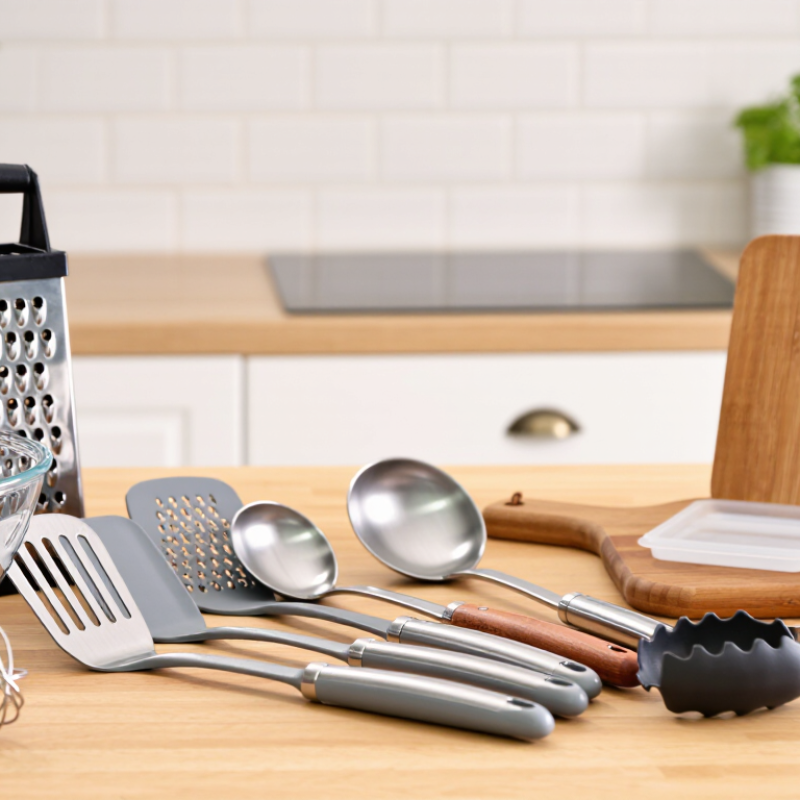
Top Kitchen Utensils Manufacturers and Suppliers?

Global Kitchen Utensils Market Size and CAGR: Grand View Research Data

The global kitchen utensils market is becoming more practical, design-focused, and regionally diverse. Grand View Research reports a market value of roughly USD 30 billion in 2023, with an expected CAGR of about 3.8% through 2030. These figures suggest steady expansion, not a sudden boom. Demand is supported by home cooking, hospitality growth, replacement purchases, and interest in durable materials.

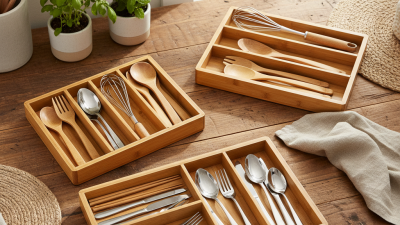
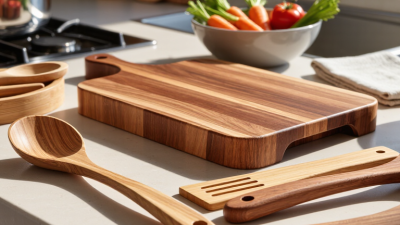
Manufacturers and suppliers now compete through heat resistance, ergonomic handles, safer coatings, and lower-waste packaging. Wooden Kitchen Utensils remain popular because they feel warm, protect many cookware surfaces, and suit everyday preparation.

Stainless steel and silicone serve buyers seeking longer service life and easier cleaning. In my experience, a supplier’s real strength appears in small details, such as consistent sizing, smooth edges, clear care instructions, and reliable delivery records. Appearance alone is not enough.

Tips: Compare material testing, food-contact documentation, minimum order quantities, and sample quality before choosing a supplier. Ask how products perform after repeated washing and high-temperature use. Market estimates are helpful, but forecasts can change with inflation, shipping costs, and consumer habits. That deserves reflection. A low-cost utensil may look efficient today, yet poor durability can increase replacement waste and procurement costs. Suppliers that share traceable specifications and respond honestly to weaknesses usually offer greater long-term value.

Leading Manufacturers by Region: China, Germany, Italy, and the U.S.

China remains a major production base for kitchen utensils, supported by extensive metalworking, silicone molding, and packaging networks. The International Trade Centre’s Trade Map data for 2024 places China among the leading exporters in HS 8215, covering household tableware and kitchenware. Buyers often find broad customization options, including a Bamboo Kitchen Utensils Set with engraved handles and recyclable cartons. Quality still varies. Factory audits, food-contact documents, and sample testing remain essential.

Germany is known for strict process control and durable stainless-steel fabrication. Italy combines metal finishing with design-led production, especially for polished serving tools and compact cookware accessories. Eurostat trade data shows both countries remain important European exporters of household metal articles. Their higher labor costs can support tighter inspection and refined finishing, but they may reduce price flexibility.

The United States has a large consumer market and a strong distribution sector. Grand View Research estimated the global kitchen utensils market at about US$2.6 billion in 2022, with steady growth projected through 2030. U.S. suppliers often compete through local inventory, fast replenishment, and compliance support rather than low-cost mass production. That model suits restaurants and retailers needing short lead times. Yet domestic sourcing does not automatically guarantee better performance. Handle strength, coating resistance, and dishwasher testing still need evidence.

Key Product Categories and Materials: Steel, Silicone, Wood, and Plastic

Top Kitchen Utensils Manufacturers and Suppliers?

For buyers comparing Cooking Utensils, material choice should follow heat, pressure, and cleaning habits. Steel offers strong edges, stable shapes, and good resistance to stains. Stainless steel also suits commercial kitchens with heavy daily use. Fortune Business Insights valued the global cookware market at about US$19.53 billion in 2023. Its forecast reaches roughly US$32.47 billion by 2030. These figures show expanding demand, although market reports use different product definitions.

Silicone works well for spatulas, tongs, and jar scrapers. It protects coated pans when the supplier states suitable temperature limits. Wood feels warm and comfortable, but it absorbs moisture if poorly dried. Plastic remains lightweight and affordable. However, heat exposure can deform lower-grade products. Responsible manufacturers should provide food-contact compliance documents, batch traceability, and independent migration testing. Material claims alone are not enough. I have seen attractive tools fail because handles loosened after repeated washing.

Tips: Match each tool to its task. Choose steel for firm lifting and scraping. Use silicone near delicate cookware. Select dense, smoothly finished wood for serving. For plastic, check heat ratings and avoid visibly warped pieces. Suppliers should disclose exact material grades, care instructions, and testing dates. Buyers should also inspect rivets, seams, and handle balance before ordering. A beautiful set can still feel awkward in a wet hand. Industry data is useful, but direct product testing remains necessary.

Supplier Compliance: FDA, LFGB, NSF/ANSI 2, and ISO 9001 Standards

For top kitchen utensil manufacturers and suppliers, compliance should be checked before price. The U.S. FDA Food Code 2022 requires food-contact surfaces to be smooth, durable, nonabsorbent, corrosion-resistant, and easy to clean. A reliable supplier should provide material declarations, migration-test results, and batch traceability. Ask for the exact test scope, not a general “food safe” statement.

LFGB testing is especially important for products sold in Germany and other European markets. It can examine the release of substances from plastics, silicone, coatings, and metal components. NSF/ANSI 2 evaluates commercial food equipment, including cleanability, materials, and construction details. The standard is not automatically proven by a factory’s internal checklist. Independent laboratory evidence matters.

ISO 9001 supports process control rather than direct food-contact safety. The 2022 ISO Survey recorded 1,265,216 valid ISO 9001 certificates worldwide, showing its broad use as a quality-management framework. Still, certification alone does not confirm LFGB or FDA compliance. Suppliers should connect corrective actions, incoming-material checks, and final inspections to each production batch. Request current certificates and verify the issuing body. Some documents look complete but lack product-model details. That is a warning sign. Supplier audits should include silicone odor checks, edge inspection, coating adhesion, and packaging cleanliness. Even experienced buyers can miss small changes in resin or pigment.

OEM and ODM Suppliers: MOQ, Lead Times, Production Capacity, and Pricing

Choosing an OEM or ODM kitchen utensil supplier requires more than comparing quoted prices. During factory audits, I check material certificates, sample consistency, and defect records. A supplier producing Acacia Wood Utensils should control moisture carefully. Warped handles often reveal weak drying practices. Ask whether designs, packaging, and surface finishes can be customized. ODM programs usually shorten development work, while OEM projects offer deeper control. That flexibility affects cost.

MOQ can range from 500 pieces for standard items to 10,000 for custom molds. Confirm whether the MOQ applies per color, size, or complete order. A low MOQ sounds attractive. It may carry higher unit pricing. Lead times usually include sampling, material purchasing, production, and inspection. Samples may take 7 to 15 days, while mass production can require 30 to 60 days. Get every stage written into the quotation. Verbal promises create avoidable disputes.

Production capacity should be measured monthly, not advertised vaguely. Request recent output figures and ask how peak-season orders are scheduled. A factory with large equipment may still lack skilled finishing workers. Pricing should separate tooling, product cost, packaging, testing, and shipping preparation. I prefer a detailed invoice with tolerances and payment milestones. One weakness remains: forecasts are rarely accurate. Leave buffer time and approve a pre-production sample before releasing the full order. Inspect random cartons, not only the first finished pieces.

Top Kitchen Utensils Manufacturers and Suppliers: OEM & ODM Sourcing Benchmarks

Indicative industry benchmarks for common OEM/ODM kitchen utensil categories. Values reflect typical sourcing conditions and may vary by material, customization level, packaging, certifications, and order volume.

The chart uses a 0–100 benchmark index for visual comparison. Hover over each bar to view the underlying typical MOQ, lead time, monthly production capacity, and indicative FOB unit price.

Supplier Selection Metrics: Quality, Certifications, Logistics, and Reviews

Choosing a kitchen utensil supplier requires more than attractive pricing. Start by checking material grades, finish consistency, and handle strength. Request samples, then test them under repeated washing, heat, and daily gripping. A reliable manufacturer shares measurable specifications, batch records, and realistic tolerance limits. Look for food-contact certifications issued by recognized independent bodies. Verify certificate numbers and expiry dates directly. Do not accept a scanned logo alone. I have seen polished samples hide rough edges in production runs. That risk deserves attention.

Logistics can quietly damage a good purchase. Ask about production capacity, lead times, carton protection, and inspection procedures before placing an order. Confirm packaging dimensions and shipping terms in writing. A capable supplier explains how delays, shortages, or damaged cartons are handled. Reviews help, but read beyond star ratings. Search for repeated comments about response speed, replacement handling, and consistency across shipments. Contact recent buyers where possible. One glowing review proves little. Patterns matter more.

Tips: Compare at least three suppliers using one scoring sheet. Give quality 35 percent, certifications 20 percent, logistics 25 percent, and reviews 20 percent. Keep photos of sample tests and signed specifications. Recheck high-risk details, such as rivets, silicone seams, and coating adhesion. A supplier may pass every document check and still miss your preferred feel. That is why a small trial order remains practical. Leave room for correction.

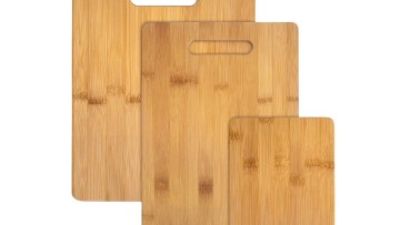
China Factory 3-Piece Bamboo Cutting Board Set: Insights from Grand View Research & IMARC Market Reports

The global demand for sustainable household products is creating new opportunities for bamboo kitchenware. Grand View Research estimates that the global bamboo market was valued at approximately USD 68.8 billion in 2022 and is projected to expand at a compound annual growth rate of about 5.8% from 2023 to 2030. While bamboo cutting boards represent only one segment of this wider market, the data highlights growing interest in renewable, durable materials for everyday use.

IMARC Group’s kitchenware market analysis also points to continued expansion, supported by rising household consumption, premium home cooking, and demand for practical products with environmentally responsible credentials. In this context, a China-made 3-piece bamboo cutting board set offers an attractive solution for distributors, retailers, hospitality buyers, and private-label purchasers. The set includes small, medium, and large boards, allowing users to separate preparation tasks while maximizing kitchen efficiency.

Made from 100% sustainable bamboo, these boards are food-safe, knife-friendly, and designed for dependable daily performance. Their natural appearance adds warmth to modern kitchens, while the varied sizes support chopping vegetables, preparing meat, slicing fruit, and serving snacks. Direct wholesale purchasing from experienced China suppliers and manufacturers can provide competitive factory pricing, consistent production capacity, and flexible sourcing options for businesses responding to the market’s shift toward functional and sustainable kitchen products.

FAQS

Which material suits different kitchen tasks?

Steel handles firm lifting, scraping, and heavy daily use. Silicone suits spatulas near coated cookware. Wood feels warm but needs careful drying. Plastic stays light, but low-grade pieces may deform under heat.

How should buyers evaluate silicone utensils?

Check the stated temperature range and food-contact documents. Silicone should protect delicate cookware during stirring. Test the grip with wet hands. Small details matter.

What problems can wooden utensils develop?

Poorly dried wood may absorb moisture and develop warped handles. Choose dense wood with a smooth, sealed surface. Store it away from standing water. I still worry about hidden moisture inside handles.

What documents should a supplier provide?

Request material certificates, food-contact compliance records, batch traceability, and migration test results. Confirm testing dates and product specifications. Material claims alone prove little.

How can buyers inspect product quality before ordering?

Examine rivets, seams, edges, and handle balance. Check whether handles loosen after repeated washing. Approve a pre-production sample. Test it.

What should buyers know about minimum order quantities?

Standard items may require around 500 pieces. Custom molds can require up to 10,000 pieces. Confirm whether quantities apply per color, size, or complete order. A low minimum may increase unit pricing.

How long can sampling and mass production take?

Samples may require 7 to 15 days. Mass production often needs 30 to 60 days. The schedule should include materials, production, and inspection. Leave extra time.

How should buyers compare supplier prices?

Ask suppliers to separate tooling, product cost, packaging, testing, and shipping preparation. Include tolerances and payment milestones in writing. Cheap quotes may omit important costs. I may still miss something without a detailed invoice.

How can production capacity be verified?

Request recent monthly output figures instead of general capacity claims. Ask how peak-season orders are scheduled. Inspect random cartons, not only the first finished pieces. No checklist catches everything.

Conclusion

The global Kitchen Utensils market continues to expand, supported by growing household demand, foodservice development, and innovation in practical kitchen tools. Market size and CAGR data from recognized research sources can help businesses understand regional opportunities and forecast future growth. Leading manufacturing hubs in China, Germany, Italy, and the United States offer different advantages in production scale, engineering expertise, design capability, and quality control. Main product categories include stainless steel, silicone, wood, and plastic utensils, each serving specific needs related to durability, heat resistance, safety, and appearance.

When selecting a supplier, buyers should evaluate compliance with FDA, LFGB, NSF/ANSI 2, and ISO 9001 requirements, along with testing procedures and traceability. OEM and ODM discussions should clearly define minimum order quantities, lead times, production capacity, customization options, packaging, and pricing. A reliable supplier selection process should also consider product quality, certifications, logistics performance, communication, after-sales support, and verified customer reviews. Comparing these factors helps buyers build stable, safe, and cost-effective supply partnerships.

Emily

Emily

Emily is a dedicated marketing professional at Xiangtan Hundred Houseware Co., Ltd., a leading manufacturer specializing in bamboo and wood houseware products. With a wealth of experience in the industry, she possesses exceptional expertise in the company’s offerings, ensuring that each product......
Previous 2026 Top Spice Rack Types for Global Buyers?