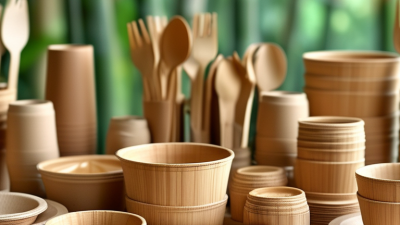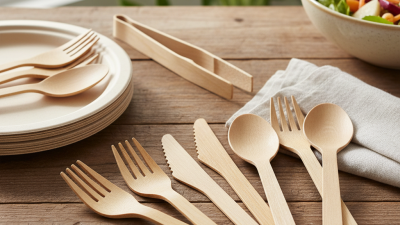


As we move towards a world that cares more and more about sustainability, picking the right utensils really matters. You might have come across Disposable Bamboo Cutlery — it’s become pretty popular because it’s eco-friendly, after all. But here’s the thing: not all bamboo cutlery is made the same. Knowing the differences can make a big difference when you're choosing what to use.
When you're looking at disposable bamboo utensils, it’s worth paying attention to where the bamboo's coming from and how good the quality is. Some brands really do prioritize sustainability and responsible sourcing, while others might cut corners to save a buck. Doing a little homework on brands can totally pay off. Also, don’t forget to check the packaging — eco-conscious companies often keep it minimal and recyclable, which is pretty nice.
Now, as great as bamboo cutlery is, it’s not perfect. For instance, some options might not hold up so well under heavy use — they can splinter or even break if they’re not made properly. So, think about what’s most important for you — is it durability, looks, or just plain function? The right pick can totally make your meal feel a bit more special while also being better for our planet.
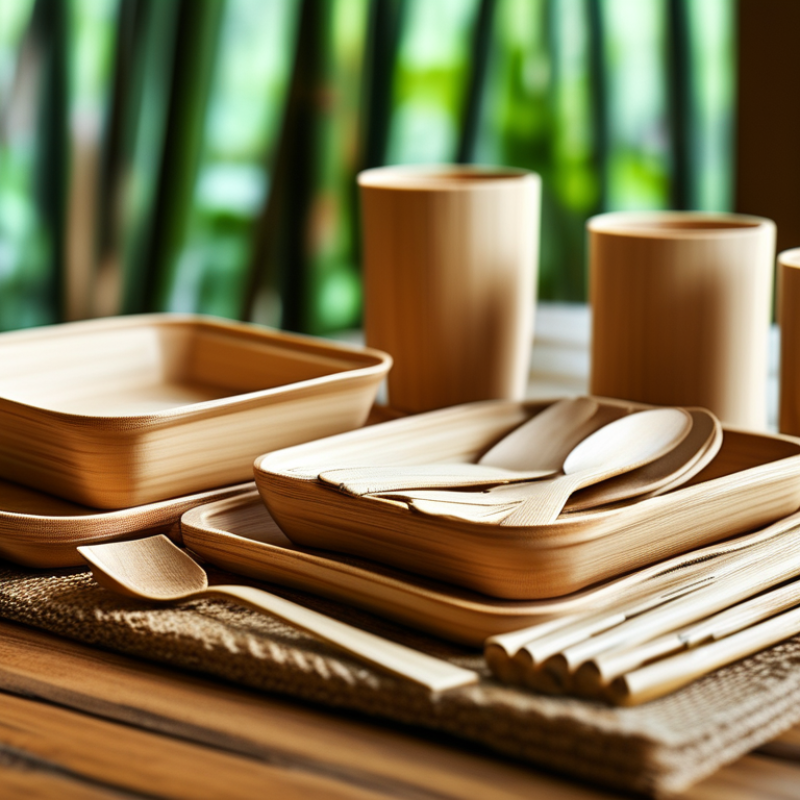
Bamboo cutlery is becoming a popular choice for eco-conscious consumers. Unlike plastic, bamboo is biodegradable and compostable. This makes it a suitable alternative in reducing waste. Studies indicate that over 300 million tons of plastic are produced each year. A significant portion ends up in landfills and oceans, causing environmental harm. Bamboo cutlery can effectively replace single-use plastic, contributing to a healthier planet.
When choosing Disposable Bamboo Silverware, consider the source. Look for products certified by credible organizations. These certifications ensure that bamboo is harvested sustainably and that the manufacturing process is environmentally friendly. According to a report by the World Economic Forum, adopting alternatives like bamboo cutlery can reduce plastic pollution by 30% if widely used. However, not all bamboo cutlery is created equal. Some may contain additives that impact their eco-friendliness.
The aesthetic appeal of bamboo cutlery is undeniable. It offers a rustic charm suitable for various occasions. Yet, the durability of bamboo varies with different products. Some disposable options may not hold up well in hot or wet conditions, leading to frustrating experiences. Consumers must balance aesthetics, functionality, and sustainability when selecting Disposable Bamboo Silverware. Understanding these factors is crucial for making a responsible choice.
This chart represents the importance rating of various factors when choosing disposable bamboo cutlery. Each factor is rated on a scale from 1 to 10, emphasizing their significance in making an eco-friendly choice.
The increasing concern over the environmental impact of disposable cutlery is hard to ignore. Plastic cutlery contributes significantly to pollution, with about 40 billion plastic utensils used every year in the U.S. alone. Remarkably, these items can take up to 1,000 years to decompose in landfills. In contrast, a disposable bamboo knife can decompose in just a few months, making it a more sustainable choice.
Research shows that bamboo grows extremely fast and can be harvested without harming the plant. This makes disposable bamboo cutlery an eco-friendly alternative. According to a report by the World Economic Forum, if current plastic consumption trends continue, there could be more plastic in the ocean than fish by 2050. Switching to biodegradable options like bamboo could help avert this crisis.
However, the shift to bamboo cutlery isn’t without challenges. Many consumers remain unaware of the benefits and availability of these alternatives. Increasing awareness is crucial; education on the impact of plastic waste must accompany the promotion of products like disposable bamboo knives. It's essential to reflect on our consumption habits and consider the broader implications of our choices on the planet.
When selecting disposable bamboo cutlery, several key factors play a crucial role in ensuring quality and sustainability. Look for products that are certified organic. This certification often indicates that the bamboo was grown without harmful pesticides or chemicals. Check for durability as well. High-quality bamboo cutlery should be sturdy enough to handle various types of food without breaking easily. A good test is to bend a piece slightly; if it snaps too easily, it's likely not a reliable choice.
Another important factor is the aesthetic appeal. Quality bamboo cutlery often has a natural finish, free from harsh dyes. Consider how comfortable it feels in your hand. Ergonomics can make a difference during use. Sometimes, cutlery may look appealing but feels awkward. Also, consider the packaging. Eco-friendly packaging is a sign that the producer cares about the environment. Avoid options that come in non-recyclable plastic wrappers, as they can undermine the sustainability of bamboo cutlery. These evaluations can lead to better choices and minimize the environmental impact.
Bamboo cutlery is an eco-friendly option. When it comes to biodegradability, bamboo often excels compared to plastic. Bamboo naturally decomposes in soil within months, while plastic may take centuries to break down. This makes bamboo a responsible choice for those looking to minimize environmental impact.
Choosing disposable bamboo forks can depend on various factors. Look for cutlery made from 100% bamboo, as this enhances biodegradability. Avoid products that mix materials, as they may not decompose easily. Consider sourcing from local suppliers. This supports sustainable practices and reduces transportation emissions.
It's essential to assess the entire life cycle of bamboo cutlery. Bamboo requires water and space to grow, affecting its overall environmental footprint. Reflect on whether the convenience of single-use cutlery outweighs its impact. The switch to bamboo can be beneficial but requires awareness of its origins and manufacturing process. Each decision counts in promoting sustainable practices.
When considering disposable bamboo cutlery, understanding the difference between certified and non-certified options is crucial. Certified bamboo cutlery meets specific standards that ensure sustainability and ethical sourcing. This choice directly impacts the environment and your health. Non-certified products may lack transparency, raising questions about their origin and production methods. Choosing certified cutlery gives consumers assurance and peace of mind.
When selecting disposable bamboo spoons, be mindful of their origins. Look for certifications that indicate fair labor practices. This consideration might sound trivial, but it reflects the product's overall quality. Not all bamboo is grown sustainably. Non-certified bamboo can contribute to deforestation, which harms local ecosystems.
Additionally, consider the design of the disposable bamboo spoon. Comfort and usability should guide your choice. A well-designed spoon can elevate your dining experience. Be wary of products that appear overly polished; sometimes, imperfections reveal genuine craftsmanship. Reflecting on these aspects can lead to more informed and responsible decisions.
When considering disposable bamboo cutlery, cost and sustainability often collide. A recent study indicated that bamboo utensils can be 30% more expensive than traditional plastic options. This price difference may deter budget-conscious consumers. However, the environmental impact of plastic persists long after disposal. Bamboo is biodegradable and typically composts within three to six months. This contrasts sharply with plastic, which can take centuries to decompose.
Investing in bamboo cutlery may seem daunting at first. Yet, the long-term benefits become evident through reduced plastic waste. According to a 2021 report, approximately 300 million tons of plastic are produced annually, much of which ends up in oceans and landfills. Sustainable choices like bamboo play a vital role in combating this issue. They can help minimize the carbon footprint associated with plastic production and disposal.
Budget-friendly decisions don’t have to sacrifice sustainability. Many retailers now offer affordable bamboo cutlery sets. Understanding the cost per use can also provide invaluable insight. For instance, a bamboo fork may save the environment many times over compared to single-use plastic forks. Carefully weighing cost against environmental impact reveals the value of investing in bamboo cutlery today.
Consumers are increasingly gravitating towards eco-friendly options for disposable cutlery. Recent studies reveal that 74% of shoppers prefer sustainable materials over plastic. As environmental awareness rises, so does the demand for bamboo cutlery. This trend reflects a broader shift in consumer preferences. The global market for biodegradable tableware is predicted to reach $10 billion by 2027.
Bamboo cutlery offers a renewable alternative. It is sturdy yet lightweight, making it ideal for events and takeout. However, not all bamboo products are created equal. Some may be coated with substances that compromise their eco-friendliness. It's essential to verify certifications and sourcing practices. Transparency in production can enhance consumer trust.
While many brands tout their eco-friendliness, issues remain in the supply chain. Some bamboo cutlery can still involve unsustainable harvesting practices. Consumers should educate themselves about these factors. Researching a product's origin could reveal discrepancies, undermining its sustainability claim. Engaging with brands that actively promote ethical sourcing is crucial for informed choices.
re bamboo cutlery options more expensive than plastic?
Bamboo typically composts within three to six months, unlike plastic which takes centuries.
Investing reduces plastic waste and helps combat environmental issues associated with plastic disposal.
Many consumers, about 74%, now prefer sustainable materials over plastic cutlery.
Check for certifications and research sourcing practices to verify eco-friendliness.
No, some bamboo products may be coated with substances that reduce their eco-friendliness.
Look for transparency and ethical sourcing practices to ensure sustainability claims are valid.
Yes, many retailers now offer affordable options for bamboo cutlery sets.
Bamboo cutlery helps minimize the carbon footprint linked to plastic production and disposal.
Yes, the market for biodegradable tableware is expected to reach $10 billion by 2027.
Disposable Bamboo Cutlery is emerging as a leading eco-friendly alternative to traditional plastic options. Understanding its environmental impact is crucial as the excessive use of plastic cutlery contributes significantly to pollution. In this article, we explore key factors for evaluating the quality and sustainability of bamboo cutlery, including its biodegradability and the importance of choosing certified products. By examining cost considerations alongside sustainability, consumers can make budget-friendly choices without compromising their environmental values. Lastly, the growing trends in consumer preferences highlight a shift towards eco-friendly products, reinforcing the demand for Disposable Bamboo Cutlery in today's market.