You know, as more folks get into sustainability, it's no surprise that the demand for eco-friendly products is really picking up. The tea industry, for one, isn’t left out of this trend. I came across a report from Grand View Research that says the global tea market was valued at around $200 billion back in 2021. And what’s pretty interesting is that more and more conscious consumers are actually leaning towards packaging that's better for the planet. For example, a Bamboo Tea Box perfectly captures this vibe — it’s classy but also eco-friendly.
Bamboo’s a pretty awesome choice too — it grows fast, renews itself quickly, and is way better for the environment compared to plastic or metal containers. Using bamboo tea boxes helps cut down on single-use plastics, which is a big win. There’s a survey from Statista that shows about 70% of people are willing to pay a bit more for packaging that’s eco-conscious. That's a pretty clear sign that consumer attitudes are shifting.
That said, not all bamboo tea boxes are created equal. Some brands might focus more on how they look than how sustainable they really are or how well they function. It’s super important to look at what materials are used, how it’s made, and what kind of environmental impact it really has. Striking the right balance between style and sustainability can be tricky sometimes. So, when you’re choosing the perfect bamboo tea box, it pays to be a bit of an informed shopper — it’s all about making choices that pay off in the long run.
Top 10 Bamboo Tea Boxes for Eco Friendly Tea Lovers
For eco-friendly tea lovers, bamboo tea boxes are a charming addition to any collection. They are not only stylish but also sustainable. Bamboo is a fast-growing plant, making it an environmentally friendly choice. Each bamboo box carries a natural scent that enhances the tea experience. While selecting a bamboo tea box, consider its size and design. Some come with compartments for various teas, while others may offer a single spacious area.
When looking for a personalized touch, consider a customized bamboo tea box laser logo. Such boxes reflect individual preferences, making tea time more special. While bamboo tea boxes are often durable, some users might find they require a bit more care. Moisture and heat can affect the material. Maintaining the box in a cool, dry area is key for longevity.
Every bamboo tea box tells a story, from its natural origins to your unique design choices. Each time you brew a cup, you celebrate both nature and your personal style. Yet, there's always room to reflect on your selection. Are you choosing a box that truly resonates with your eco-friendly values?
Understanding the Benefits of Bamboo in Tea Packaging
Bamboo has gained popularity in tea packaging due to its sustainable nature. Using bamboo helps reduce environmental impact. Bamboo is a fast-growing plant, making it a renewable resource. It can grow up to three feet in a single day. Many eco-conscious tea enthusiasts appreciate this aspect.
Bamboo tea boxes are not only functional but also visually appealing. They offer a natural aesthetic that enhances the tea experience. The material is robust and durable, ensuring protection for the tea inside. Additionally, bamboo has natural antibacterial properties. This means it can help keep tea fresh for longer periods.
While the benefits are clear, there are some challenges. Bamboo requires proper treatment to avoid pests and mold. Without this, the boxes may not perform as expected. Some consumers might find bamboo boxes heavier than traditional options. These minor drawbacks lead to questions about usability. However, the environmental benefits often make bamboo a worthwhile choice for tea lovers seeking a greener alternative.
Key Features to Look for in Eco-Friendly Bamboo Tea Boxes
When choosing eco-friendly bamboo tea boxes, consider the materials used. Bamboo is naturally renewable and biodegradable. It grows fast and absorbs carbon dioxide efficiently. Look for sourcing certifications that guarantee sustainability. Not all bamboo products are created equal. Some may involve processes that harm the environment. Verify the brand's commitment to environmentally friendly practices.
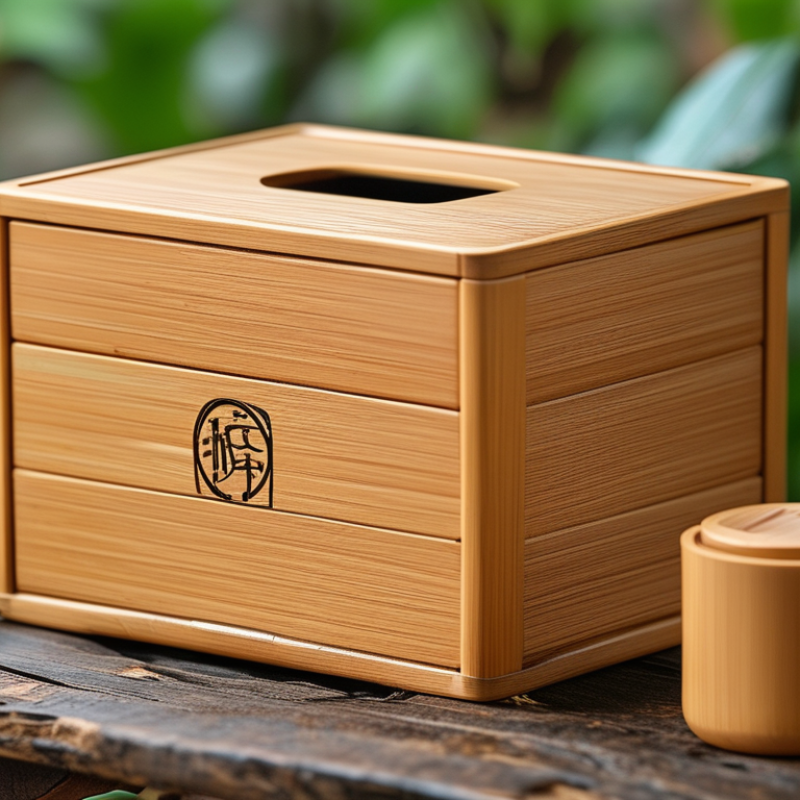
Storage capacity is another important feature. A 3 tier bamboo tea organizer offers a great balance of space and accessibility. It allows easy separation of different tea types. Having drawers or compartments ensures that each blend retains its flavor. Think about the design as well. Aesthetic appeal can enhance your tea experience. Simple, elegant designs may fit nicely in various kitchens.
Check for durability too. The best bamboo tea boxes withstand daily usage. They shouldn't easily chip or crack. Smooth finishes are essential for easy cleaning. Be cautious with boxes that claim to be eco-friendly but lack robust construction. Consider these details carefully, as they affect longevity and overall satisfaction. Balancing beauty, functionality, and eco-friendliness is key to finding the perfect bamboo tea box.
Sustainable Sourcing: The Impact of Bamboo on Forest Conservation
Bamboo is gaining attention for its role in sustainable sourcing and environmental conservation. It grows quickly and absorbs carbon dioxide efficiently. Using bamboo can significantly reduce pressure on forests, encouraging biodiversity and healthier ecosystems. Tea lovers who choose bamboo tea boxes are also making a statement on sustainability.
When selecting bamboo tea boxes, it’s essential to find options that are ethically sourced. Not all bamboo is cultivated sustainably. Some farms may exploit the land, harming the environment. Look for certifications or research the company’s practices. An extra large bamboo tea organizer can store a collection of teas while promoting eco-friendly initiatives.
Using bamboo products helps combat deforestation. Bamboo grows back rapidly, making it a renewable resource. Consider the long-term benefits of bamboo items. They are often biodegradable and have a low ecological footprint. However, not every bamboo product is created equal. Choose wisely to support ethical production and minimize harm.
Top 10 Bamboo Tea Boxes for Eco Friendly Tea Lovers
| Rank |
Tea Box Name |
Material |
Capacity (Tea Bags) |
Sustainable Certifications |
Price (Approx.) |
| 1 |
Classic Bamboo Tea Box |
Bamboo |
20 |
FSC Certified |
$25 |
| 2 |
Modern Bamboo Organizer |
Bamboo and Glass |
15 |
Eco-friendly |
$30 |
| 3 |
Elegant Bamboo Tea Holder |
Bamboo |
25 |
Bamboo Action |
$28 |
| 4 |
Chic Tea Box with Compartments |
Bamboo |
30 |
USDA Organic |
$35 |
| 5 |
Compact Bamboo Tea Box |
Bamboo |
12 |
Non-GMO |
$20 |
| 6 |
Rustic Bamboo Tea Storage |
Bamboo |
40 |
FSC Certified |
$40 |
| 7 |
Bamboo Tea Caddy |
Bamboo |
10 |
Eco-friendly |
$15 |
| 8 |
Artisan Bamboo Tea Box |
Bamboo |
20 |
Recycled Materials |
$32 |
| 9 |
Stackable Bamboo Tea Boxes |
Bamboo |
35 |
Non-Toxic |
$45 |
| 10 |
Luxury Bamboo Tea Chest |
Bamboo |
50 |
Fair Trade Certified |
$60 |
Comparative Analysis of Bamboo vs. Plastic Tea Boxes
When exploring the eco-friendliness of bamboo tea boxes, a key comparison emerges with plastic alternatives. Bamboo offers a renewable option, with growth rates of up to 3 feet per day, making it a sustainable resource. Reports indicate that bamboo has a lower carbon footprint due to its ability to absorb carbon dioxide efficiently. This contrasts sharply with plastic, which is derived from fossil fuels and contributes significantly to environmental degradation. In fact, a study published by the National Geographic found that around 300 million tons of plastic are produced annually, with only a fraction being recycled.
FSC certified bamboo tea chests not only reduce waste but also promote responsible forestry practices. These certifications ensure that the bamboo is sourced sustainably, impacting ecosystems positively. Meanwhile, plastic tea boxes often result in landfill overflow, taking centuries to decompose. Reports from the Ellen MacArthur Foundation highlight that only 9% of plastic is ever recycled. This stark reality emphasizes the need for sustainable alternatives. While bamboo boxes can still be produced with some energy, their environmental impact pales in comparison to that of plastic, which is often avoided by eco-conscious consumers.
Nonetheless, bamboo tea boxes are not without challenges. They can be more expensive to produce than their plastic counterparts, which raises questions about accessibility. Additionally, bamboo can be more susceptible to moisture, requiring careful handling. This brings attention to the need for ongoing innovation in bamboo processing techniques to enhance durability while maintaining eco-friendly practices. The choice between bamboo and plastic impacts not only consumer behavior but also the planet's future.
Top Brands Offering Eco-Friendly Bamboo Tea Boxes
Bamboo tea boxes have gained popularity among eco-friendly tea lovers. Many brands take pride in their sustainable practices. In fact, a recent report highlights that bamboo products are in high demand, showing a 25% increase in sales over the last few years. This surge reflects a broader trend towards sustainability in the consumer market.
These bamboo boxes are not only functional but also aesthetically pleasing. Their natural texture enhances the overall tea-drinking experience. Various designs can store different types of tea. Yet, some designs may lack durability. Consumers have reported issues with hinges and latches failing prematurely. Choosing the right box requires careful consideration of quality over appearance.
Moreover, many brands utilize bamboo sourced from certified forests. This ensures responsible harvesting practices. Unfortunately, not all brands disclose their sourcing methods. Transparency is crucial for consumers seeking truly eco-friendly options. The certification process often involves strict guidelines, ensuring the integrity of environmental claims. Many will still choose brands based on visuals rather than verifying sustainability claims. This can lead to misleading purchases. Therefore, awareness and education are essential for informed choices in the bamboo product market.
Consumer Trends: The Rise of Sustainability in Tea Packaging
Sustainability is becoming crucial for consumers today. According to a recent report by Nielsen, 73% of global consumers are willing to change their consumption habits to reduce their environmental impact. This shift is especially evident in the tea market, where eco-friendly packaging is increasingly favored. Many tea lovers are now seeking options that reflect their values, including bamboo tea boxes.
Bamboo is an attractive choice for eco-conscious consumers. It’s a fast-growing plant with a minimal environmental footprint. The use of bamboo in packaging aligns with the desire for sustainability. A study by the World Economic Forum highlighted that packaging contributes to nearly half of the plastic waste globally. This awareness drives tea companies to adopt bamboo as a renewable alternative.
Despite these positive trends, some challenges remain. The sourcing of bamboo needs to be sustainable itself. Moreover, ensuring that production processes are eco-friendly is vital. Consumers are rightfully skeptical of brands claiming to be sustainable without transparency. As the demand for bamboo tea boxes rises, it’s essential for brands to demonstrate their commitment to genuine eco-friendly practices.
FAQS
: Bamboo is a fast-growing, renewable plant that is biodegradable. It's sustainable and absorbs carbon dioxide efficiently.
Keep it in a cool, dry area to prevent moisture and heat damage. Regular care can extend its life.
Check for storage capacity, design, and durability. Smooth finishes help with cleaning and maintenance.
No, some may involve harmful processes. Look for sourcing certifications that guarantee sustainable practices.
Consider customizing it with a unique design or logo. This makes tea time feel more special and personal.
Not all brands disclose their sourcing methods. Transparency helps ensure you choose genuinely eco-friendly options.
Some have compartments for various teas, while others provide a single spacious area. Consider what fits your needs best.
Some users report durability issues, like hinges or latches failing. Quality should be prioritized over looks.
Aesthetic appeal enhances enjoyment. Simple designs can fit well in various kitchens and elevate your tea ritual.
While many claim to be eco-friendly, the actual practices vary. Awareness helps avoid misleading purchases.
Conclusion
The article "Top 10 Bamboo Tea Boxes for Eco Friendly Tea Lovers" explores the increasing popularity of bamboo as a sustainable option for tea packaging. It highlights the benefits of bamboo, including its rapid growth and minimal environmental impact, making it a superior alternative to traditional plastic tea boxes. Key features to consider when selecting a bamboo tea box are also discussed, emphasizing the importance of functionality and design for tea enthusiasts.
Additionally, the article examines the positive effects of sustainable bamboo sourcing on forest conservation and compares bamboo tea boxes with their plastic counterparts. As consumer trends shift towards sustainability, the growing demand for eco-friendly bamboo tea boxes reflects a broader commitment to environmental responsibility in tea packaging. Ultimately, this shift not only benefits the planet but also enhances the experience of eco-conscious tea lovers.