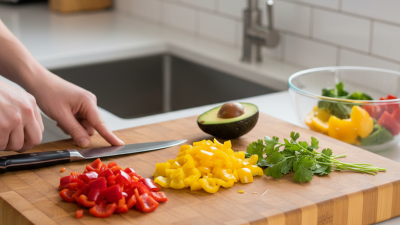
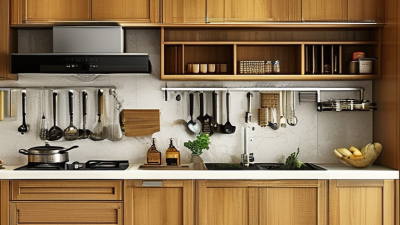
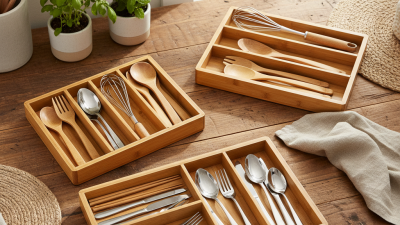
In today's ever-changing kitchenware world, the Bamboo Chopping Block definitely catches your eye because of its unique perks. Industry pro Dr. Lisa Chen from EcoKitchen Innovations points out, "Getting a Bamboo Chopping Block isn’t just good for the planet—it's also a pretty smart move for anyone who loves cooking." That really shows how more and more folks around the world are actually choosing bamboo products these days.
There are quite a few reasons why a Bamboo Chopping Block is worth considering. For starters, bamboo is naturally antibacterial, which helps keep your surface cleaner and safer for food prep. Plus, bamboo grows super quickly, so it’s a sustainable option—better for the environment than traditional hardwood. That’s a big win for eco-conscious shoppers.
Of course, it’s not all smooth sailing. Some people might wonder if bamboo can stand up to the durability of regular hardwood. While it’s quite tough and resilient, you do need to take good care of it to avoid cracking or damage. Finding that sweet spot between how it works and how much effort it needs to stay in good shape is pretty important. Knowing both its strengths and a few quirks helps turn your Bamboo Chopping Block into more than just a kitchen gadget—it’s like a small step towards living a more sustainable lifestyle.
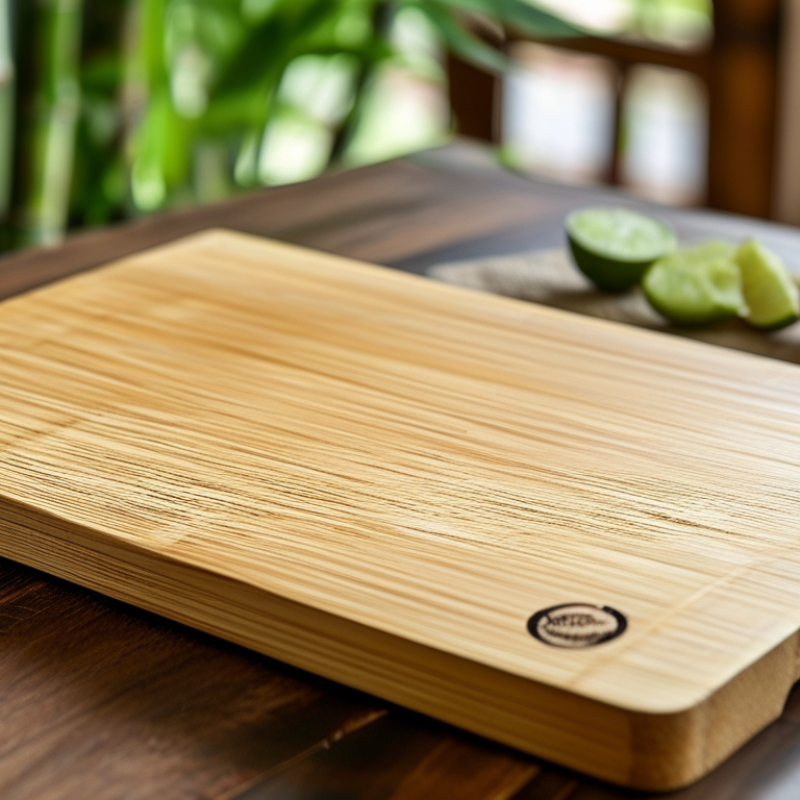
Benefits of Bamboo Chopping Blocks: An Overview for Global Buyers
Bamboo Chopping Blocks are gaining popularity among global buyers. These blocks are not only sustainable but also durable. Bamboo grows faster than wood, making it an eco-friendly choice. According to the Food and Agriculture Organization, bamboo can grow up to 91 cm in just 24 hours. This rapid growth helps in reducing deforestation and promotes biodiversity.
The antibacterial properties of bamboo are another key benefit. Studies show that bamboo contains natural agents that inhibit bacterial growth. This makes bamboo chopping blocks safer than regular wooden boards. A report from the Journal of Food Protection indicates that bamboo surfaces have significantly lower bacterial counts compared to plastic ones. This is vital for food safety in kitchens worldwide.
In terms of maintenance, bamboo chopping blocks are easy to clean and maintain. They require less oiling and do not absorb moisture easily. Users must, however, avoid soaking them in water. This can lead to warping. Regular care ensures these chopping blocks remain in good shape for years. Bamboo proves to be a practical option for both casual cooks and professional chefs.
Top 10 Bamboo Chopping Block Benefits for Global Buyers
| Benefit |
Description |
Environmental Impact |
Durability |
| Sustainable Material |
Bamboo is a fast-growing plant, making it an eco-friendly choice. |
Reduces deforestation. |
Can last for years with proper care. |
| Antibacterial Properties |
Naturally resistant to bacteria, making it safer for food preparation. |
Promotes hygiene in the kitchen. |
Maintains integrity over time. |
| Lightweight |
Easier to handle and store compared to traditional wood chopping blocks. |
Lowers transport emissions due to lighter weight. |
Durable without being cumbersome. |
| Non-Slip Surface |
Offers better stability while chopping. |
Safety features contribute to reducing waste. |
Maintains stability over time. |
| Appealing Aesthetic |
Natural look that enhances kitchen decor. |
Promotes a sustainable lifestyle. |
Retains beauty with minimal maintenance. |
| Cost-Effectiveness |
Affordable alternative to hardwood blocks. |
Encourages sustainable purchasing. |
Long-lasting, providing value for money. |
| Easy to Clean |
Requires less maintenance than traditional wood. |
Support sustainability through easy upkeep. |
Maintains longevity with proper cleaning. |
| Versatility |
Suitable for various kitchen tasks, not just chopping. |
Reduces the need for multiple tools. |
Remains functional despite frequent use. |
| Resistance to Bacteria |
Less prone to harboring harmful bacteria compared to plastic. |
Supports food safety standards. |
Maintains structural integrity and hygiene. |
| Good for Knife Maintenance |
Gentler on knife blades than harder materials. |
Encourages longevity of kitchen tools. |
Reduces wear and tear on blades. |
Sustainability Aspects: Bamboo’s Rapid Growth and Renewability Factor
Bamboo is one of the fastest-growing plants on the planet. It can grow up to three feet in just 24 hours. This rapid growth makes it a highly renewable resource. In a world increasingly focused on sustainability, bamboo stands out. It doesn’t require fertilizers or pesticides, reducing farming impacts. Additionally, bamboo absorbs more carbon dioxide than many trees. This trait enhances air quality and contributes to a healthier environment.
Choosing bamboo chopping blocks supports eco-friendly practices. These blocks are durable and long-lasting. Unlike plastic, bamboo is biodegradable, reducing waste. However, some consumers may worry about the overall sourcing processes. Not all bamboo is sustainably harvested. Buyers need to ensure their products come from responsible suppliers. Seeking certifications can guide them in making informed choices. With correct sourcing, bamboo can truly offer a sustainable kitchen solution. The need for due diligence remains crucial.
Top 10 Bamboo Chopping Block Benefits for Global Buyers
This chart illustrates the various benefits of using bamboo chopping blocks, highlighting their sustainability, durability, and other significant advantages that make them a preferred choice for global buyers. The data shows the perceived strengths of bamboo compared to other materials used for chopping blocks.
Natural Antimicrobial Properties: Fighting Bacteria on Your Kitchen Surface
Bamboo chopping blocks are increasingly popular among chefs and home cooks. Their natural
antimicrobial properties offer a compelling reason to choose them over other materials. Studies show that bamboo has a
unique structure that inhibits the growth of bacteria. This makes it a safer option for food preparation.
Research published in the Journal of Environmental Health indicates that bamboo can reduce bacteria levels by up to
99% compared to plastic cutting boards. This significant reduction helps prevent
cross-contamination during food preparation. The natural antimicrobial qualities of bamboo come from its dense fibers
and high silica content. These features not only keep your kitchen surface cleaner but also prolong the life of the chopping block.
However, it is essential to maintain bamboo boards properly. While they resist bacteria, improper cleaning can lead to mold growth.
Regularly oiling the board helps preserve its integrity, but some users forget this step. A
Wooden Chopping Block
requires care and attention. Adopting best practices is crucial for maintaining hygiene and maximizing the benefits of bamboo in the kitchen.
Durability Insights: Comparing Bamboo Chopping Blocks to Traditional Options
When it comes to durability, bamboo chopping blocks stand out against traditional wooden and plastic options. Bamboo has a closed-cell structure, making it resistant to moisture and less prone to warping. This natural resilience means bamboo blocks can last for years, even with regular use. Unlike some wooden cutting boards, which may splinter over time, bamboo maintains its integrity. However, make sure to follow proper care guidelines to enhance longevity.
Tips for maintaining bamboo chopping blocks include: clean with mild soap, avoid soaking, and regularly oil the surface. These practices help prevent cracks and keep the bamboo looking fresh. Don't ignore scratches; sanitize them immediately to prevent bacteria buildup. Bamboo is inherently antimicrobial, but it’s best to keep surfaces smooth.
While bamboo is a fantastic choice, it's essential to select high-quality options. Some lower-grade bamboo can be more susceptible to damage. Look for blocks made from Moso bamboo, known for its density and durability. Remember that all materials have their flaws, and even bamboo requires thoughtfulness in care and use. Balancing function and maintenance can lead to a rewarding experience in the kitchen.
Impact on Knife Longevity: How Bamboo Minimizes Blade Damage
Bamboo chopping blocks offer impressive advantages, particularly for knife maintenance. Research shows that bamboo's unique structure is less abrasive than other materials like hardwood. This difference minimizes blade damage, extending the life of kitchen knives. According to a study by the Journal of Food Science, using bamboo surfaces can reduce dulling by up to 25% compared to traditional wood options, such as an Acacia Chopping Block.
Bamboo absorbs less moisture than conventional wood, which leads to a lower chance of bacteria growth. A moisture-resistant surface means that knives face less friction as they cut, preserving their sharpness longer. This factor is crucial for professional chefs who often rely on optimal knife performance. Furthermore, the natural fibers in bamboo allow for better shock absorption, indicating a gentler impact on blades.
Interestingly, some users report that while bamboo chopping boards are durable, they may develop scratches over time. Though these imperfections appear, they do not significantly affect performance. Users must be vigilant about maintenance practices. Regular oiling and proper cleaning can enhance longevity. This feedback emphasizes the balance between practicality and the need for care when selecting kitchen tools.
Eco-Friendly Manufacturing: Bamboo’s Lower Carbon Footprint Explained
Bamboo is rapidly gaining attention for its eco-friendly properties. Its cultivation emits far less carbon compared to traditional timber. According to the Food and Agriculture Organization, bamboo forests can absorb 35% more carbon dioxide than equivalent hardwood forests. This advantage helps mitigate climate change effects, making bamboo a sustainable choice for consumers.
The manufacturing process of bamboo requires less energy. Research from the International Bamboo and Rattan Organization shows that bamboo can produce furniture and kitchen items with a 50% lower carbon footprint than conventional materials. The fast growth rate of bamboo—often up to three feet in a day—means less time between planting and harvesting, contributing to its eco-friendly reputation.
However, the production practices of bamboo still warrant scrutiny. Sustainable harvesting is critical; over-exploitation can lead to habitat destruction. Ensuring bamboo is sourced responsibly is essential for maintaining its ecological benefits. Thus, while bamboo presents a promising solution for eco-conscious buyers, better industry standards are necessary to protect its sustainability.
Aesthetic Appeal: Choosing Bamboo for a Beautiful Kitchen Environment
Bamboo has surged in popularity as a choice for kitchen décor, particularly as a Kitchen Chopping Block. Its unique grain and texture contribute to an eye-catching aesthetic that enhances kitchen environments. Research indicates that 70% of homeowners prefer natural materials for their kitchens. Bamboo, with its warm tones and elegant lines, aligns perfectly with this trend, offering both beauty and functionality.
Choosing bamboo as a kitchen chopping block not only brings an inviting look but also promotes sustainability. Cultivated without chemical pesticides, bamboo is an eco-friendly option. According to the World Wildlife Fund, bamboo forests grow up to three feet per day. This rapid growth makes bamboo one of the most sustainable materials available. However, some buyers might worry about durability. It's important to remember that while bamboo is sturdy, it requires proper care to maintain its appearance over time.
Beyond its visual appeal, bamboo provides practical advantages. It is less porous than other woods, which helps reduce bacteria growth. This can lead to a healthier kitchen environment. However, if not cleaned correctly, bamboo can still harbor food residue. Careful washing and periodic oil treatments are necessary to keep it in top shape. These considerations underscore the complexity of selecting a kitchen chopping block that balances aesthetics with practicality.
FAQS
: Bamboo grows rapidly, reducing deforestation. It can grow up to 91 cm in just 24 hours.
Yes, bamboo has antibacterial properties. Studies show lower bacterial counts compared to plastic surfaces.
They are easy to clean and require less oiling. Avoid soaking to prevent warping.
Bamboo is less abrasive than hardwood. This minimizes blade damage, extending knife life significantly.
Yes, they may get scratched over time, but it doesn’t greatly impact their performance.
Regular care, like oiling, enhances longevity. Neglect can lead to premature wear or warping.
They reduce dulling by up to 25%, making them better for knife performance compared to typical wooden boards.
While durable, they may still scratch. Users must be careful to maintain their condition effectively.
Yes, bamboo blocks cater to both types of cooks. Their practicality appeals to a wide range of kitchen users.
Do not soak them in water. This can lead to significant warping issues over time.
Conclusion
Bamboo chopping blocks offer a host of benefits that make them an attractive option for global buyers. Not only are they made from a sustainable resource due to bamboo's rapid growth and renewability, but they also possess natural antimicrobial properties that help reduce bacterial contamination in the kitchen. Moreover, bamboo chopping blocks exhibit remarkable durability, often outperforming traditional wood and plastic options, which contributes to a longer lifespan for kitchen knives by minimizing blade damage.
In addition to their functional advantages, bamboo chopping blocks are eco-friendly, with a lower carbon footprint resulting from their manufacturing processes. They also provide aesthetic appeal, enhancing the beauty of any kitchen environment. With these compelling attributes, bamboo chopping blocks stand out as a smart choice for environmentally conscious consumers looking to upgrade their kitchen tools.