Leave Your Message
Picking reliable Disposable Bamboo Cutlery suppliers? Honestly, it takes more than scanning prices or looking at pretty product photos. You’ve got to dig into where the bamboo comes from, how much manufacturing experience they have, whether the products pass food-contact testing, how the packaging holds up, and whether they can ship consistently. And then there are the little things: forks shouldn't feel rough or flimsy in your hand. Knives should slice through soft food without cracking it apart. Spoons shouldn't bend the second they hit hot soup. Those small details tend to expose bigger differences between suppliers.
Dr. Mark Miodownik, a materials scientist and author, once said, “Materials are the basis of civilization.” That's a pretty useful reminder when you're evaluating bamboo products. Sure, bamboo can be renewable, but how green it really is depends on cultivation, processing, coatings, transportation, and what happens at the end of its life. “Compostable” isn't always as simple as it sounds, either. Sometimes industrial facilities are required, and local waste systems vary a lot from place to place.
This guide looks at the Top 10 Disposable Bamboo Cutlery Suppliers Worldwide through a practical procurement lens. We consider product range, customization options, production capacity, certifications, quality controls, and how reliable they are to communicate with. Some suppliers are great for restaurant-ready bulk orders. Others specialize in private-label packaging or hospitality programs. And a few might have impressive catalogs but not much solid evidence for traceability.
The ranking isn't absolute. Supplier info changes. Certificates expire. Manufacturing partners can change without much notice, too. That's worth paying attention to. Responsible buyers should ask for current documentation, samples, test reports, and shipping terms before placing big orders. Price matters, of course, but it shouldn't outweigh safety, durability, or honest environmental claims. This comparison is meant to make those checks a bit easier, while also admitting that even well-researched purchasing decisions can come with some uncertainty.

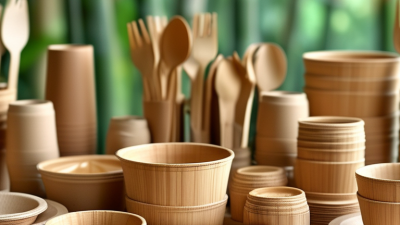
Disposable bamboo cutlery means forks, spoons, knives, or chopsticks designed for one serving. They are usually made from processed bamboo, a fast-growing grass with a firm, light structure. Some products use solid bamboo, while others combine bamboo fibers with approved binding materials. That difference matters. It affects texture, heat resistance, disposal options, and product labeling.
In food-service trials, bamboo utensils feel warmer and less slippery than plastic. Their natural grain also gives lunch boxes, cafés, and outdoor meals a more tactile appearance. A spoon should resist soft soup without bending, while a knife needs a consistent edge for cooked vegetables. Reliable suppliers should provide food-contact documentation, moisture controls, strength testing, and clear packaging details. I would also inspect random cartons for cracks, rough edges, chemical odors, and uneven polishing. Small defects become obvious during real service.
Bamboo cutlery is used to reduce dependence on conventional plastic items and to support a more natural-looking dining experience. However, “bamboo” does not automatically mean home-compostable or environmentally harmless. Industrial finishes, mixed materials, transport distance, and disposal facilities all influence its impact. This is where buyers need restraint. A supplier may offer attractive claims, yet the details can remain incomplete. Asking for material percentages, manufacturing conditions, and end-of-life guidance is more reliable than trusting green-colored packaging. Performance can also change in oily foods or hot drinks. It is not perfect.
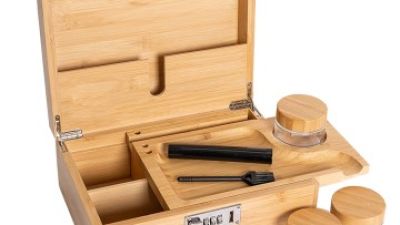
Premium bamboo storage reflects the growing demand for packaging that combines practicality, sustainability, and refined presentation. Insights commonly associated with cannabis packaging market analysis point to rising interest in durable materials, organized interiors, discreet designs, and products that support responsible storage. This handcrafted bamboo stash box responds to those preferences with a secure lid, a smooth varnish finish, and adjustable dividers that help users customize the interior for different items.
Designed for privacy storage, dried herbs, accessories, or jewelry, the box offers a versatile alternative to disposable containers. Bamboo provides a warm, natural appearance while delivering reliable everyday durability, making the product suitable for home use, gift collections, and specialty retail displays. Its adjustable layout allows retailers and customers to create separate compartments, improving organization and reducing unnecessary clutter.
For wholesale buyers, this storage solution offers broad merchandising potential across wellness, lifestyle, gift, and home-organization categories. The handcrafted appearance adds perceived value, while the sustainable material can support packaging strategies centered on reuse and reduced waste. With its combination of functional design, discreet storage, and premium finishing, the bamboo box is positioned as a practical, attractive choice for consumers seeking long-lasting organization.
Compare material details, factory records, test results, lead times, and packaging strength. Request production samples before placing a large order. A low price can hide weak inspection or rough polishing. Rankings can change.
Common products include forks, knives, spoons, chopsticks, tasting spoons, and coffee stirrers. Some suppliers provide tongs and complete meal kits. Pack sizes may suit cafés, caterers, airlines, or takeaway kitchens. Small details matter.
Buyers may request different lengths, thicknesses, shapes, and pack quantities. Options can include deeper spoons, rounded fork tips, and stronger knife edges. Packaging may use paper pouches, recyclable cartons, napkins, or printed sleeves. Small orders may cost more.
Check food-contact test reports for the finished products. Inspect odor, moisture content, splinter resistance, surface smoothness, and blade strength. Packaging should remain clean during storage and shipping. A natural appearance proves little.
No. Certificates can expire, and test results may not cover later production changes. Ask for recent laboratory reports and confirm their testing scope. Independent testing and random inspections provide stronger evidence. Documents can still miss problems.
Request harvest records, plantation evidence, and chain-of-custody documents. Ask about coatings, adhesives, mixed plastics, transport distance, and disposal conditions. Bamboo is not automatically sustainable. The full product life matters.
Match claims with recognized compostability requirements where applicable. Confirm whether testing covers the finished cutlery and its packaging. Avoid relying on screenshots or vague website statements. Claims deserve uncomfortable questions.
Samples may feel smooth, while bulk pieces feel rougher or thinner. Cartons can weaken during long, humid shipping routes. Production changes may also affect odor or break resistance. Inspect random pieces before shipment. This is not foolproof.
Disposable Bamboo Cutlery offers a practical alternative to conventional single-use utensils for catering, takeaway meals, events, and hospitality services. Made from renewable bamboo, it combines lightweight convenience with a more natural appearance and can help businesses reduce their reliance on petroleum-based plastic products. This guide explains how to assess the top 10 Disposable Bamboo Cutlery suppliers worldwide by reviewing material quality, manufacturing consistency, food-contact safety, customer service, and production capacity.
It also compares the product ranges and customization options available from leading suppliers, including knives, forks, spoons, chopsticks, travel sets, packaging, and private-label designs. Special attention is given to sustainability claims, responsible sourcing, hygiene controls, and relevant certification standards. Buyers will also find practical guidance on pricing, minimum order quantities, sample requests, lead times, and international shipping considerations. By evaluating these factors together, importers, distributors, restaurants, and event organizers can select reliable supply partners that balance performance, cost, customization, and environmental responsibility.