When it comes to the essentials in your kitchen, the cutting board doesn’t always get the attention it really deserves. I mean, a lot of folks overlook how important this simple tool actually is. Mark Thompson, you know, the guy behind 'Kitchen Fundamentals,' once said, “A good cutting board can really shape your whole cooking experience.” And honestly, I think he's onto something — whether you're a pro chef or just someone who loves cooking at home, having the right cutting board makes all the difference.
Now, looking ahead to 2026, figuring out who the top OEM and ODM suppliers are is more important than ever. Lots of companies are trying to stand out with innovative designs, but they also stick to that good old craftsmanship. A cutting board isn’t just about looking nice — it’s super important for food safety and making prep work smoother. Materials like bamboo, plastic, or wood all come with their own perks and pitfalls — have you ever really thought about how your choice impacts your kitchen routine?
Honestly, it can get pretty confusing trying to pick the right one. Not all cutting boards are built the same — some might warp after a while, others aren’t dishwasher safe at all. As we dig into the options out there, it’s key to pay attention to a supplier’s reputation and how reliable they are. Let’s be real — quality should never take a backseat just to save a few bucks. The perfect cutting board strikes that sweet spot between usefulness and care, giving you a dependable buddy in your kitchen adventures.
Top Features to Look for in Cutting Boards from OEM ODM Suppliers
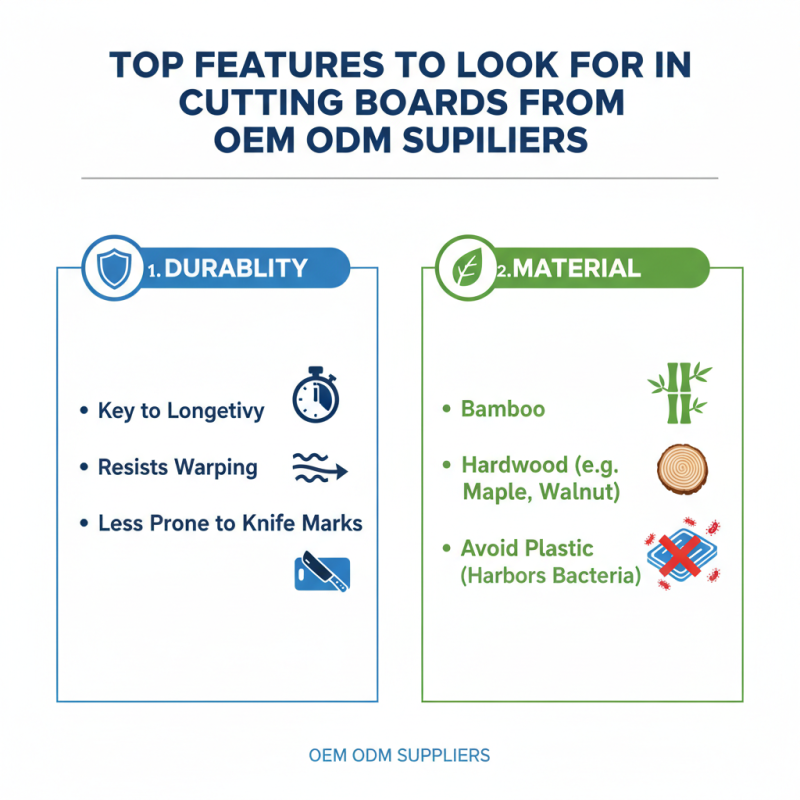
When selecting a cutting board from OEM ODM suppliers, focus on essential features. Durability is key. Cutting boards made from bamboo or hardwood often outlast those made from plastic. They resist warping and are less prone to knife marks, which can harbor bacteria.
Look for non-slip surfaces. This feature enhances safety during food preparation. A stable board prevents accidents while slicing ingredients. Consider the thickness as well. Thicker boards often absorb shock better, protecting both the knife and the board.
Weights and sizes matter too. A heavy, large board is stable for heavy tasks. However, it can be cumbersome to store. Balance is crucial. The best boards can handle daily use without showing wear too quickly. Reflecting on your needs will help narrow choices. A Bread Cutting Board may be ideal for some, while others prefer versatile options. Always consider maintenance; some materials require more care than others.
Key Considerations for Selecting the Right Material for Cutting Boards
When choosing a cutting board, material is key. Wood, plastic, and bamboo are common options. Wooden boards are classic and durable. They can be gentle on knives, which helps maintain sharpness. However, wooden boards require frequent oiling and careful cleaning. They can absorb odors and stains, making maintenance crucial.
Plastic boards, on the other hand, are often dishwasher-safe. This makes them easier to sanitize. They are less porous, which reduces the risk of bacteria. However, they can warp over time. Those in the culinary world often debate between materials. Each has pros and cons worth considering.
Bamboo is an eco-friendly choice. It’s lightweight and sturdy, but can be prone to cracking if not cared for well. Reflecting on material choice can reveal personal preferences. Some might prioritize aesthetics, while others focus on usability. The right cutting board supports a well-functioning kitchen.
Leading OEM ODM Cutting Board Manufacturers to Watch in 2026
In 2026, the market for OEM and ODM cutting boards is expected to thrive. Many manufacturers are focusing on eco-friendly materials. They aim to offer a variety of designs. Innovations in durability and aesthetics will also play a critical role. As a kitchen essential, a Large Cutting Board is becoming a centerpiece in culinary spaces.
Tips for selecting a cutting board include considering the material. Bamboo and hardwood options are popular for their durability. Make sure to look for easy-to-clean surfaces. Select one that fits your cooking style. A large cutting board allows for ample prep space. Keep in mind, not all boards are easy to maintain. Some require special care.
When evaluating suppliers, check their certifications. This can indicate quality assurance. Don't hesitate to ask about their production process. Understanding the sourcing of materials is vital. It's good to be informed and make conscientious choices. Choosing the right manufacturer can impact your kitchen experience significantly.
Comparison of Popular Cutting Board Designs and Their Uses
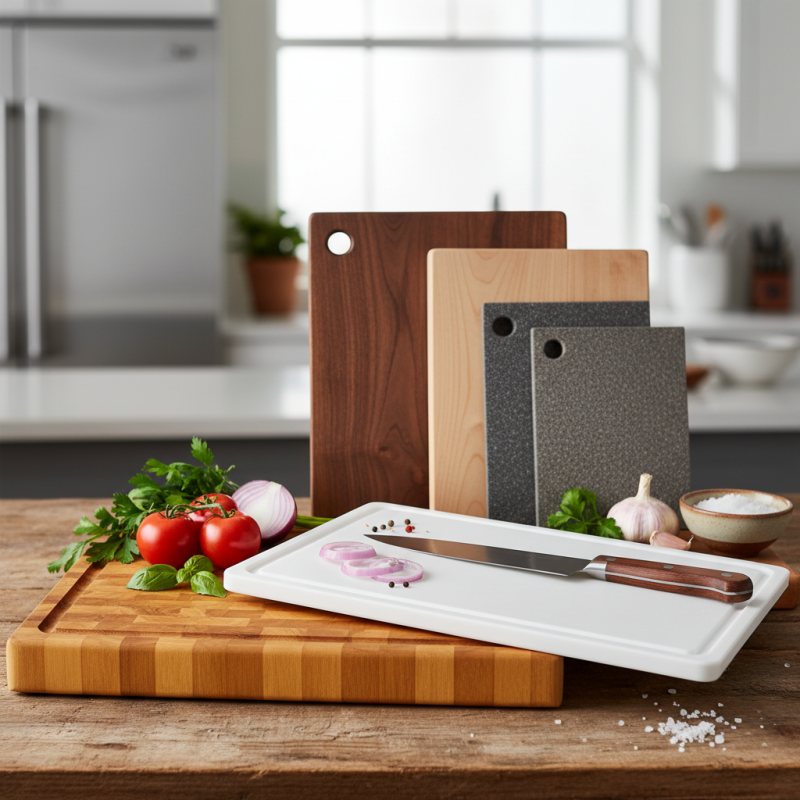
When selecting a cutting board, design matters significantly. There are three mainstream types: wooden, plastic, and bamboo. Each type has unique features and uses that cater to different cooking needs.
Wooden cutting boards are often preferred by chefs due to their durability and aesthetic appeal. They can last for years with proper care. However, they require regular oiling to prevent cracking. According to recent industry reports, over 40% of professional chefs use wooden boards for meat and vegetable preparation.
Plastic cutting boards are lightweight and dishwasher-safe, making them a practical choice for everyday use. They come in various colors, which helps avoid cross-contamination in the kitchen. However, they can easily show knife marks, which can harbor bacteria. Reports suggest that while 60% of consumers own plastic boards, many are unaware of the need for regular replacement.
Bamboo boards are an eco-friendly alternative. They are lightweight and have natural antibacterial properties. Yet, they can be prone to chipping over time if not maintained. User experiences often reveal that while they are stylish, many struggle with their longevity compared to wooden boards. These differences mean that choosing the right cutting board depends on individual usage and maintenance preferences.
Sourcing and Pricing Strategies for Cutting Boards in Bulk Purchases
When purchasing cutting boards in bulk, sourcing and pricing strategies are crucial. The global kitchenware market is projected to grow by around 6% annually, with cutting boards playing a significant role. This growth in demand emphasizes the importance of selecting the right suppliers.
Many suppliers offer Wooden Cutting Boards, which are favored for their durability and aesthetic appeal. However, not all wooden boards are created equal. It's essential to understand the different types of wood used in production, as this can impact both quality and price. Research shows that premium wood types, such as maple and walnut, may increase the cost by up to 30%. Buyers should balance between price and quality to avoid compromising on their kitchenware standards.
**Tip:** Prioritize suppliers who provide certifications about the sustainability of their wood sources. This not only benefits the environment but also enhances the product’s market appeal.
Additionally, negotiating bulk purchase discounts can lead to significant savings. It's advisable to request samples before finalizing large orders. This ensures the quality of wooden cutting boards meets your expectations.
**Tip:** Consider seasonal promotions or end-of-year sales when planning your bulk purchases. Timing your orders can significantly affect your overall cost.
2026 Top OEM ODM Cutting Board Suppliers to Consider for Your Kitchen
| Supplier Type |
Material |
Size Options |
Price Range (USD) |
Minimum Order Quantity |
| OEM |
Bamboo |
14"x10", 18"x12" |
$5 - $15 |
500 |
| ODM |
Plastic |
12"x8", 16"x10" |
$3 - $10 |
1000 |
| OEM |
Wood |
16"x12", 24"x16" |
$15 - $30 |
300 |
| ODM |
Bamboo |
18"x12", 24"x18" |
$10 - $25 |
800 |
| OEM |
Glass |
14"x14", 20"x20" |
$20 - $35 |
400 |
Sustainability Practices of Top Cutting Board Suppliers in 2026
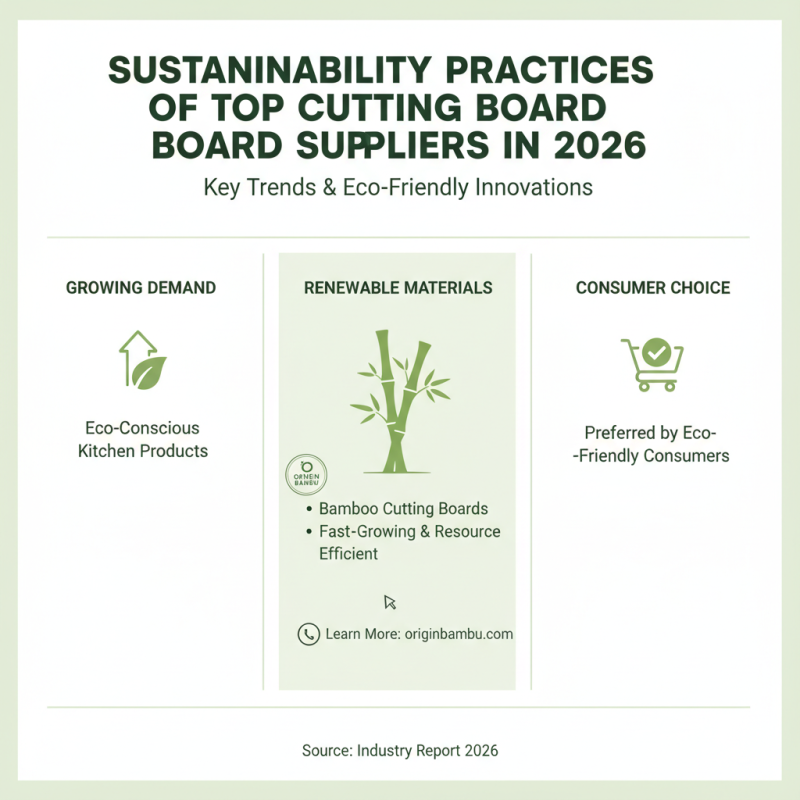
As the demand for sustainable kitchen products rises, many cutting board suppliers are reevaluating their practices. A notable trend in 2026 is the use of renewable materials. Bamboo Cutting Boards have gained popularity due to their eco-friendly nature. Bamboo is a fast-growing plant, requiring minimal resources to cultivate. This makes it an excellent choice for environmentally conscious consumers.
However, some challenges remain. Not all bamboo cutting boards are created equal. The quality of the glue used can impact their safety and durability. Buyers need to research the suppliers to ensure their products meet safety standards. Transparency is key. Suppliers that openly share their sourcing and production processes build trust. Companies committed to sustainability should demonstrate their impact through certifications or ecological footprints.
Moreover, the market still needs improvement in sourcing practices for other materials. Many plastic cutting boards are made from non-biodegradable substances. Transitioning to more sustainable options should be a priority for suppliers. In doing so, they can align with the growing consumer desire for responsible products. Awareness and accountability in the supply chain are crucial for creating lasting change.
Trends in Cutting Board Innovations Among OEM ODM Brands
The cutting board market is evolving swiftly. OEM and ODM brands are embracing innovative materials. Bamboo and recycled plastics are gaining popularity for their sustainability. These materials appeal to environmentally conscious consumers looking for durable options.
Functionality also drives innovation. Some brands now feature integrated knife sharpeners or detachable parts. These designs cater to efficiency in the kitchen. However, while these features enhance usability, they can complicate the manufacturing process. Striking the right balance is a challenge for many suppliers.
Aesthetic trends are shifting, too. Natural wood finishes and sleek designs are in demand. Modern kitchens often integrate cutting boards into their decor. Yet, beauty should not compromise safety. Non-slip surfaces are essential for preventing accidents. As brands innovate, they must reflect on the practical implications of their designs.
2026 Top OEM ODM Cutting Board Innovations
Innovative Kitchen Solutions: Enhancing Meal Prep with the Bamboo Cutting Board and Stainless Steel Containers
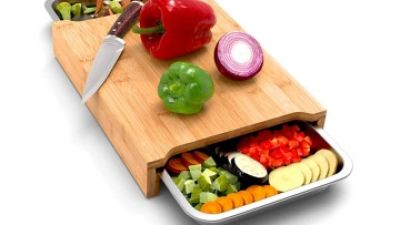
In the culinary world, having the right tools can significantly elevate the meal preparation experience. The combination of a bamboo cutting board and stainless steel containers presents an innovative solution for both amateur cooks and seasoned chefs alike. The premium bamboo cutting board, measuring 40x30x7.5 cm, provides ample space for all your cutting and chopping needs. With its heavy-duty construction, it promises durability and longevity, making it a staple in any kitchen.
Complementing the bamboo board are the two sliding stainless steel prep containers. These containers not only add a modern touch to your kitchen but also enhance efficiency during meal prep. Their sleek design allows for easy organization and storage of ingredients, ensuring that everything you need is within reach. Additionally, the non-slip rubber feet of the cutting board provide stability, preventing any accidental slips while chopping.
Emphasizing sustainability, the bamboo cutting board is crafted from eco-friendly material that is food-safe, meaning it is safe for preparing all types of ingredients, from vegetables to meats. Together, these kitchen innovations work harmoniously to streamline your cooking process, making meal prep a more enjoyable and efficient endeavor.
FAQS
: Bamboo and hardwood are durable choices. They resist warping and knife marks better than plastic.
Durable boards last longer and are safer. They are less likely to harbor bacteria due to fewer knife marks.
Thicker boards absorb shock better. They protect both the knife and the board during heavy tasks.
Non-slip surfaces are essential. They stabilize the board and prevent accidents during food preparation.
Yes, while they provide ample space, larger boards can be cumbersome to store in small kitchens.
Choose materials with easy-to-clean surfaces. Some materials require more care and attention than others.
Certifications indicate quality assurance. It's wise to inquire about a supplier's production process for assurance.
Absolutely. Understanding your cooking style helps narrow down suitable options for your kitchen use.
Yes, the right board can enhance your cooking comfort. A poor choice may lead to frustration.
Many manufacturers are focusing on sustainable materials. They aim to balance durability with aesthetics.
Conclusion
In 2026, selecting the right cutting board becomes crucial for both home cooks and culinary professionals. When considering OEM and ODM suppliers, it's essential to examine key features such as durability, design, and maintenance ease. The choice of material—whether bamboo, plastic, or wood—should align with the intended use, as each offers unique benefits. Additionally, understanding sourcing and pricing strategies is vital for bulk purchases, ensuring you receive quality products at competitive rates.
Moreover, sustainability practices are increasingly in focus, with leading suppliers adopting eco-friendly methods. Innovations in cutting board designs are also shaping culinary experiences, providing consumers with multifunctional tools that enhance kitchen workflow. Keeping these trends in mind will help you make informed decisions when sourcing cutting boards from top manufacturers in 2026.