In the pretty competitive world of wooden trays, getting to know the top manufacturers can really make a difference when you're trying to find the right stuff. I mean, experts like John Smith, who’s pretty much a pro in sustainable materials, often say, “The right wooden tray can totally boost both how it works and how it looks.” That pretty much sums up how important quality is when you're choosing products.
Places like EcoTrays, WoodCrafts, and GreenWood stand out because they really care about craftsmanship and being eco-friendly. Each of them offers designs that mix cultural vibes with what’s trending these days. But here’s the challenge: it’s not just about making something that looks good—it’s got to work well too. A lot of manufacturers struggle with this balance, so you end up with products that might be eye-catching but don’t really hold up in everyday use.
Picking the right partner isn’t just about snagging something pretty from the shelf. You’ve gotta dig into whether they’re reliable and truly committed to sustainability. The wooden tray market keeps changing, and businesses need to keep up. Knowing these little details can help you make smarter choices that match what customers want and also align with ethical standards.
Top OEM ODM Wooden Tray Manufacturers: Industry Overview and Insights
In the wooden tray manufacturing sector, OEM and ODM options are increasingly essential. These methods allow companies to create custom products tailored to their specifications. Many manufacturers focus on quality materials and craftsmanship to stand out in a competitive market.
One key insight reveals that geographic location plays a crucial role in production efficiency. Some manufacturers benefit from proximity to raw materials. This leads to enhanced logistics and cost-effectiveness. However, not all manufacturers achieve this balance. Some struggle with sourcing high-quality wood, impacting their product reliability.
Another vital element is innovation in design. As consumer preferences evolve, manufacturers must adapt. A few companies showcase unique, eco-friendly designs that cater to environmentally conscious consumers. However, some remain traditional, missing opportunities for growth. A reflection on this industry shows that flexibility and creativity are often more valuable than experience alone.
Key Factors Driving Demand for Wooden Trays in Global Markets
The demand for wooden trays in global markets is on the rise. Consumers are increasingly drawn to eco-friendly and sustainable products. Wooden trays are not just functional; they add an aesthetic touch to home decor. As more people embrace minimalism, simple wooden designs become popular.
Sustainability is a key factor driving this trend. Many consumers prefer products made from renewable resources. This choice reflects their commitment to the environment. Additionally, wooden trays are durable, offering long-lasting utility. The craftsmanship involved in their production adds to their appeal.
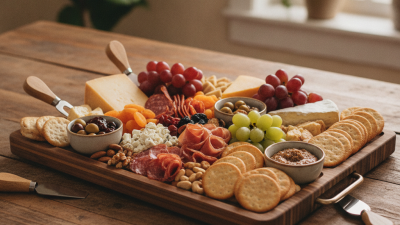
Tips for choosing the right wooden tray include considering the type of wood used. Different woods offer unique textures and colors. Pay attention to the finish, which affects both aesthetics and longevity. Be mindful of the intended use; some trays are better for serving, while others excel in organization. Finding the perfect tray requires thoughtful reflection on both style and function.
Comparative Analysis of Manufacturing Techniques in Wooden Tray Production
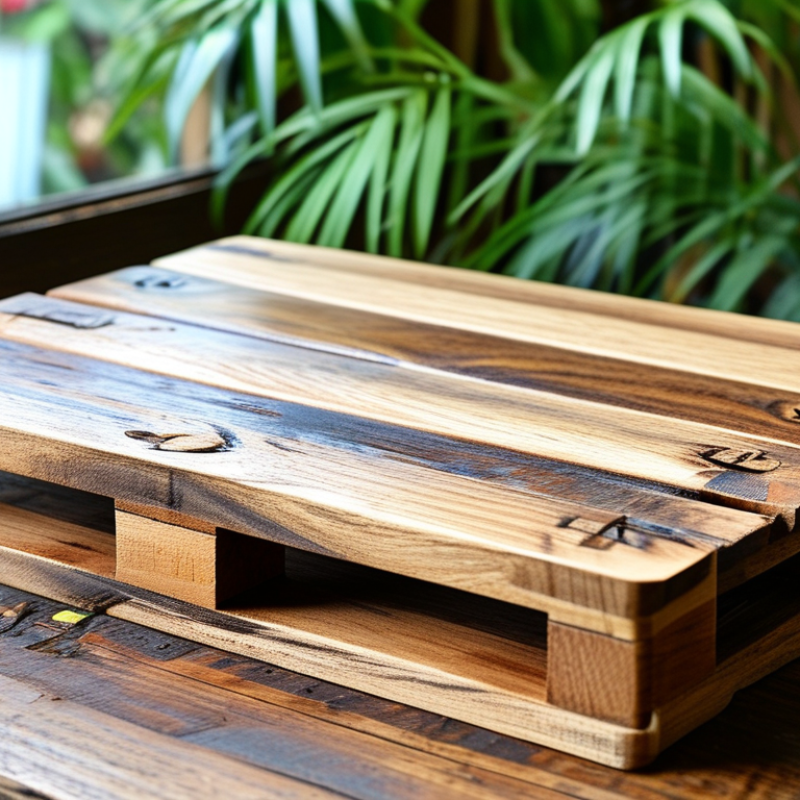
The manufacturing techniques for wooden trays vary significantly across the industry. Many manufacturers opt for traditional methods, which focus on craftsmanship and quality. For instance, hand-carving provides unique aesthetics. Each Rustic Wooden Tray made this way tells a different story, reflecting the artisan's skills. However, this technique can lead to inconsistent quality and higher costs.
On the other hand, modern CNC (Computer Numerical Control) machines offer precision and speed. These machines ensure uniformity in design, which is particularly appealing for bulk orders. Nonetheless, the reliance on machinery may reduce the personal touch that many consumers seek. The challenge lies in balancing efficiency with artistry.
Another aspect to consider is the finishing processes. Some manufacturers use natural oils or eco-friendly paints to enhance durability. Others prioritize quick-dry lacquers, which may contain harmful chemicals. This could affect both safety and environmental impact. Choosing the right process is crucial for creating a reliable and appealing product.
Sustainability Practices Among Leading Wooden Tray Manufacturers
Sustainability is increasingly important among wooden tray manufacturers. Many are adopting eco-friendly practices. This shift helps reduce landfill waste and promotes a healthier planet.
Companies are sourcing wood from responsibly managed forests. This ensures that tree removal does not surpass growth. Sustainable practices benefit not just the environment but also enhance product quality. Using renewable materials can improve durability. Many manufacturers now prioritize biodegradable packaging for their products.
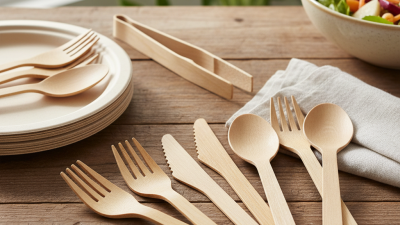
Tips: Look for certifications when shopping for wooden trays. Certifications indicate sustainable sourcing. Check if the company supports reforestation projects. Engaging with companies that value sustainability makes a positive impact. Additionally, consider a Wooden Cutlery Tray. This product supports eco-friendly dining experiences.
Transparency is crucial. Some companies may claim sustainability without accountability. Researching a brand's practices can reveal their true commitment. Reflect on your choices and support those fostering a greener future.
Top 5 OEM ODM Wooden Tray Manufacturers You Should Know
| Manufacturer |
Location |
Production Capacity (Units/Month) |
Sustainability Practices |
Certifications |
| Manufacturer A |
USA |
50,000 |
Recycled materials, Eco-friendly finishes |
FSC Certified |
| Manufacturer B |
Germany |
30,000 |
Sustainable sourcing, Energy-efficient production |
ISO 14001 |
| Manufacturer C |
Sweden |
70,000 |
Zero waste, Water-based adhesives |
PEFC Certified |
| Manufacturer D |
China |
100,000 |
Renewable energy, Carbon offsetting |
BSCI Certified |
| Manufacturer E |
Indonesia |
20,000 |
Forest conservation, Social responsibility |
ISO 9001 |
Market Share Statistics of Top Wooden Tray Manufacturers Worldwide
The global market for wooden trays is evolving significantly. In recent years, the demand for OEM and ODM wooden trays has surged. According to industry reports, in 2022, the market share of wooden tray manufacturers reached approximately $2 billion. This figure is expected to grow, driven by increasing consumer preference for sustainable and aesthetically pleasing products.
Notably, around 45% of the market share is held by top manufacturers in Asia, particularly in countries with rich wood resources. These manufacturers emphasize eco-friendly practices, attracting eco-conscious customers. However, competition is intensifying. The need for customization and unique designs is creating challenges. Some manufacturers may struggle to keep pace with shifting trends.
Tips: Focus on quality over quantity. Pay attention to materials used in production. Consider customer feedback before launching new designs. Understand that while trends are important, long-term durability is key. Balancing innovation with reliability will be crucial for success in this market. As consumer expectations evolve, manufacturers must adapt, ensuring their offerings remain relevant and appealing.
Innovative Designs and Trends in the Wooden Tray Industry
The wooden tray industry is seeing innovative designs that reflect modern aesthetics and functional use. Sustainable materials and eco-friendly finishes are trending. Manufacturers are focusing on creating pieces that not only serve a purpose but also add a touch of elegance to spaces. Many designs now incorporate unique shapes and multi-functional features.
Consumers appreciate items that align with their values regarding sustainability and style.
When choosing a wooden tray, consider the finish. Some finishes may not be food-safe, which can be a concern for B2B applications. A food safe oiled wooden tray B2B is a great option for businesses looking to ensure safety and quality. Look for certifications that guarantee the safety of the wood treatment used. This helps in building trust with customers.
Embracing the unique variations in wood grain can create distinctive looks. However, it’s essential to reflect on the manufacturing process. Some manufacturers may overlook the importance of quality control, leading to inconsistencies in their products. A commitment to craftsmanship is vital. It's these details that can set a brand apart in a competitive market.
Challenges and Opportunities in the OEM ODM Wooden Tray Market
The OEM ODM wooden tray market presents both challenges and opportunities for manufacturers. Recently, there has been a rising demand for customized wooden trays. Consumers seek unique designs that reflect their personal style. However, this trend often complicates production processes. Achieving the right balance between creativity and efficiency remains a challenge.
Quality control is another critical concern. Manufacturers face scrutiny over the materials used and the designs chosen. Sourcing high-quality wood is essential. Insufficient attention to this detail can harm reputation. Additionally, there is pressure to adhere to sustainable practices. This demands a shift in traditional manufacturing mindsets, which may not always be easy.
On a positive note, embracing innovation can lead to significant market growth. Manufacturers who automate processes can save time and reduce errors. Investing in advanced machinery helps to create high-quality products, including complementary items like Wooden Coasters. Collaboration between designers and manufacturers can also spark new ideas. However, finding the right partners can be challenging. This industry needs ongoing reflection and adaptability to thrive in changing market demands.
Enhancing Home Relaxation: The Market Growth of Luxury Bathroom Accessories and the Rise of the Extendable Bamboo Bathtub Tray
The luxury bathroom accessories market is experiencing robust growth, driven by a rising consumer preference for home relaxation and wellness experiences. According to industry reports, the global luxury bathroom accessories market is projected to reach USD 18 billion by 2025, growing at a compound annual growth rate (CAGR) of approximately 5.8%. This trend reflects a shift towards creating spa-like environments at home, where consumers seek comfort and elegance.
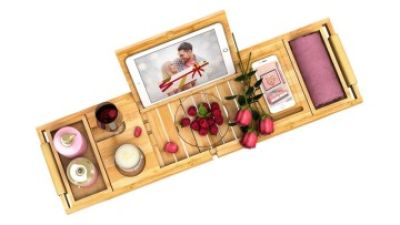
Among the standout product innovations in this booming sector is the extendable bamboo bathtub tray. Designed with both style and functionality in mind, this luxurious accessory enhances the bathing experience. The tray features extendable arms that can adjust from 70cm to 106cm, ensuring a perfect fit for various bathtub sizes. Practical features such as a wine glass holder, tablet stand, and phone slot offer convenience while promoting a relaxing atmosphere. Additionally, its construction from sustainable bamboo emphasizes eco-friendliness, with a water-resistant and food-safe finish that ensures long-lasting use.
As consumers increasingly invest in their home environments, products like the bamboo bathtub tray exemplify how luxury can be integrated into everyday life. This shift towards personalized relaxation spaces highlights an emerging market where quality and functionality meet consumer desires for both aesthetics and utility. With the continued growth of the luxury bathroom accessories market, it’s clear that consumers are prioritizing not just the necessity but the enjoyment of their home experiences.
FAQS
: The demand is rising due to consumer preference for eco-friendly and sustainable products.
They are durable, aesthetically pleasing, and provide long-lasting utility for various uses.
Consider the wood type, finish, and intended use. Make thoughtful choices based on style and function.
Innovative designs with sustainable materials and multi-functional features are currently popular.
Unique wood grain creates distinctive looks. It adds character but requires careful quality control during production.
No, some finishes may not be food-safe. Always check certifications for safety and quality.
Look for products made from renewable resources and check for sustainability certifications.
Inconsistencies in quality may arise if manufacturers neglect quality control practices.
Simple wooden designs align well with minimalism, enhancing décor while being functional.
Their natural aesthetic and craftsmanship add elegance to home spaces, making them highly desirable.
Conclusion
The article provides an in-depth overview of the top OEM ODM wooden tray manufacturers, highlighting key trends and insights within the industry. It discusses the factors driving the growing demand for wooden trays in global markets, such as sustainability and innovative design preferences among consumers. A comparative analysis of manufacturing techniques is presented, emphasizing the importance of production efficacy and environmental responsibility.
Additionally, the article examines sustainability practices among leading manufacturers, showcasing their commitment to eco-friendly materials and processes. Market share statistics and current trends in wooden tray designs are also explored, revealing opportunities for growth in this competitive sector. Finally, the challenges faced by the OEM ODM wooden tray market are addressed, emphasizing the need for adaptability and innovation in order to thrive in an evolving marketplace.