




Acacia Wood vs. Bamboo: Balancing Eco-Trends with Consumer Preferences in 2026 Kitchenware
When expanding a home and kitchen product line, one of the most critical decisions for brands and retailers is material selection. For years, bamboo has been hailed as the king of sustainability due to its rapid growth rate. However, as we move through 2026, consumer purchasing habits are showing a clear trend: natural wood—especially Acacia wood—is making a massive comeback.
While eco-credentials matter, consumer emotional connection, tactile experience, and long-term daily habits ultimately drive sales. Let’s break down how to choose between Acacia wood and bamboo for your next product line.
🪵 1. Consumer Preference & Premium Aesthetics
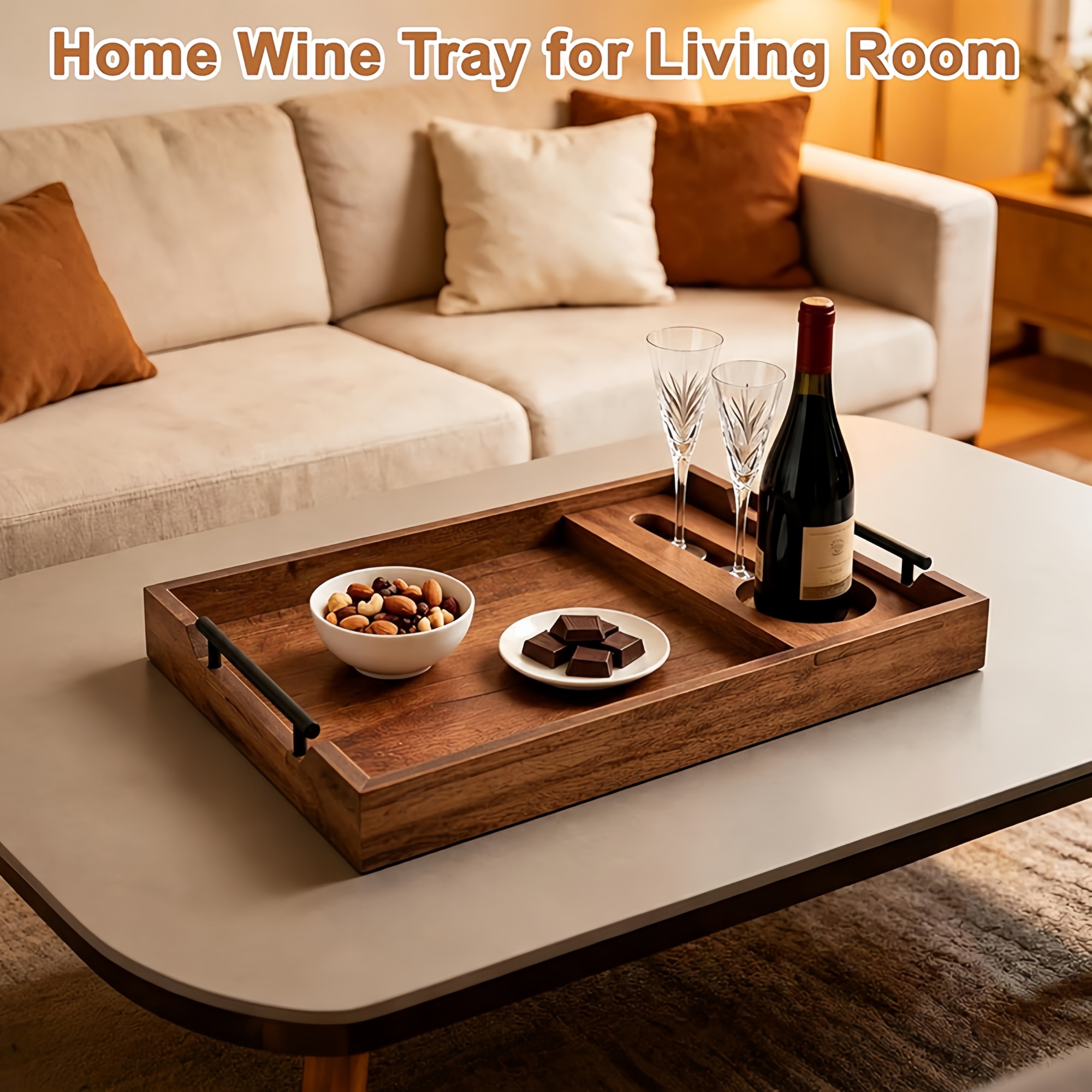
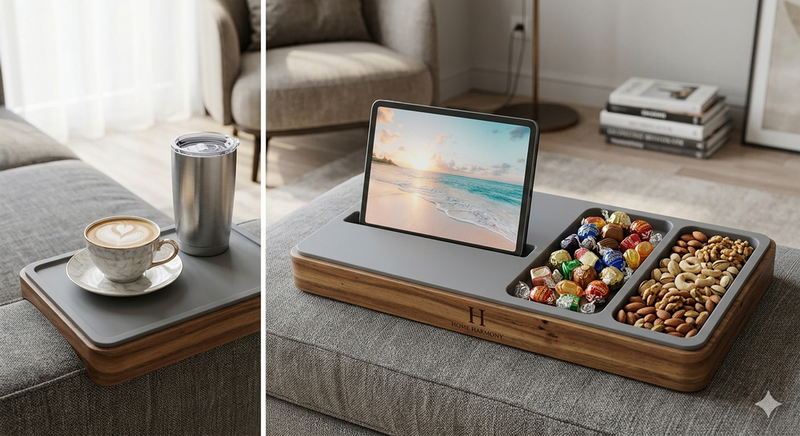
- Acacia Wood (The Consumer Choice): Acacia wood is renowned for its rich, warm tones and distinctive natural grain patterns. No two pieces of Acacia wood look identical. Consumers naturally associate solid wood with luxury, durability, and craftsmanship. In modern home decor, an Acacia wood serving board or sofa tray doubles as an aesthetic centerpiece.
- Bamboo (The Utility Choice): Bamboo offers a clean, uniform, and light-colored linear aesthetic. While sleek and modern, it can sometimes feel more "industrial" or lightweight compared to the substantial feel of solid hardwood.
🛡️ 2. Durability, Knife Friendliness, and Daily Habits
- Knife-Friendly & Moisture Resilience: Acacia wood is a dense hardwood, yet it possesses a natural yield that makes it gentler on knife edges compared to bamboo. When treated with a food-safe oiled finish, Acacia wood displays excellent resistance to moisture and warping, seamlessly fitting into daily cooking habits.
- Hardness & Splinter Resistance: Because bamboo is technically a grass species made of fused fibers, low-quality or poorly maintained bamboo can occasionally suffer from micro-splintering over time. Solid wood retains a smooth, cohesive surface through years of sanding and re-oiling.
🌱 3. Sustainability vs. Longevity: The Eco Dilemma
While bamboo grows much faster, making it an eco-marketing favorite, product longevity is the ultimate form of sustainability. An Acacia wood kitchen staple that lasts a decade reduces the need for frequent replacements. Forward-thinking brands in 2026 are highlighting this "built-to-last" philosophy to eco-conscious consumers.
💼 B2B Sourcing Strategy: How to Build a High-Margin Catalog
To maximize your store's average order value (AOV) and conversion rate, consider a tiered product strategy:
- Use Acacia Wood for Premium Flagships: Position Acacia wood items (like our Silicone Acacia Wood Couch Tray or heavy-duty cutting boards) as flagship, higher-margin hero products.
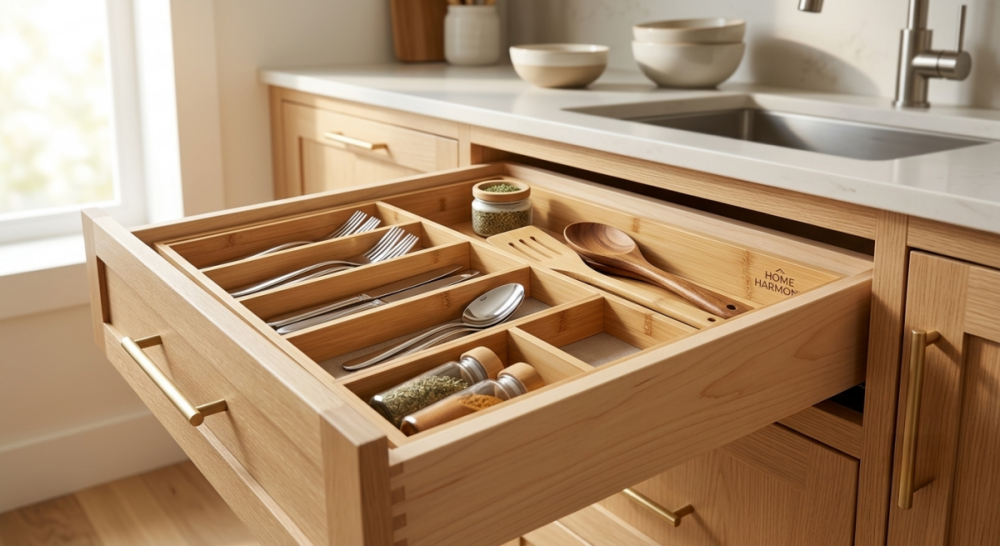
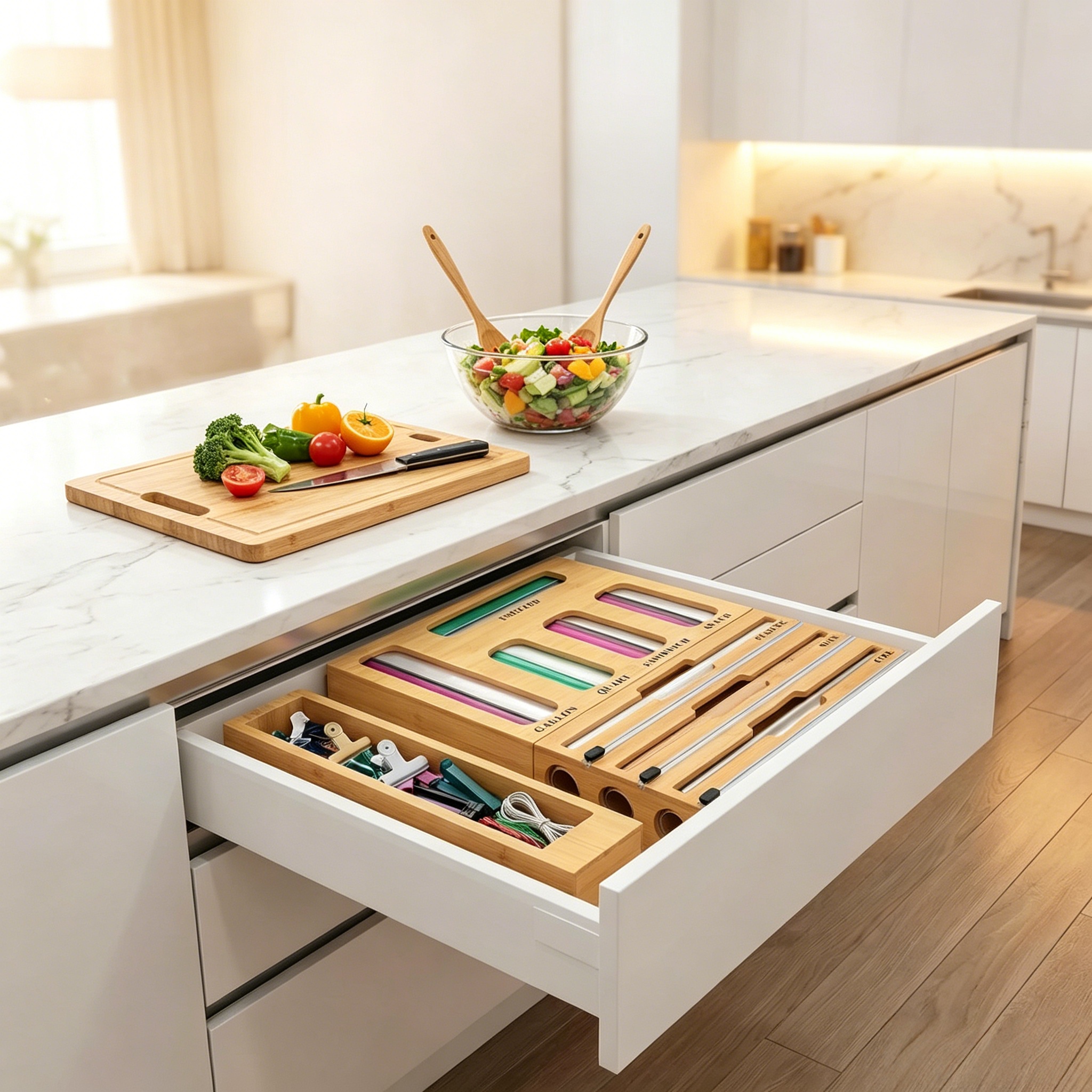
- Use Bamboo for Everyday Essentials: Offer bamboo items (like drawer organizers or spice racks) as practical, high-turnover entry-level items.
- Flexible Manufacturing: Leverage our low MOQ (500pcs), laser-engraved logo branding, and shrink-wrap protective packaging to test both material categories risk-free.