










How Artificial Intelligence is Reshaping Global B2B Foreign Trade and Sourcing
In the fast-evolving landscape of global commerce, Artificial Intelligence (AI) has transitioned from a novel technological experiment into an indispensable strategic asset. For foreign trade enterprises, manufacturers, and international B2B buyers, AI adoption is no longer just about operational efficiency—it is reshaping how cross-border trade relationships are built and nurtured.
As global supply chains demand faster turnaround times and higher precision, forward-thinking B2B companies are leveraging AI technologies across three critical operational pillars:
🎨 1. Photorealistic Visual Rendering & Rapid Prototyping
Traditionally, presenting new product concepts to overseas buyers required weeks of physical sampling, studio photography, and costly post-production. Today, AI-powered image rendering allows factories to generate 1:1 white-background product photography and high-definition lifestyle scenes instantly.
For customized OEM/ODM projects—such as tailored wooden houseware or specialized kitchen storage—AI enables manufacturers to visualize client customization requests before physical production begins, significantly shortening the sales cycle.
🌐 2. Automated Multilingual Marketing & Precision SEO
Reaching international buyers requires localized, culturally resonant, and search-engine-optimized communication. AI language models enable foreign trade platforms to systematically produce high-ranking blog content, social media campaigns, and product listing copy across multiple languages.
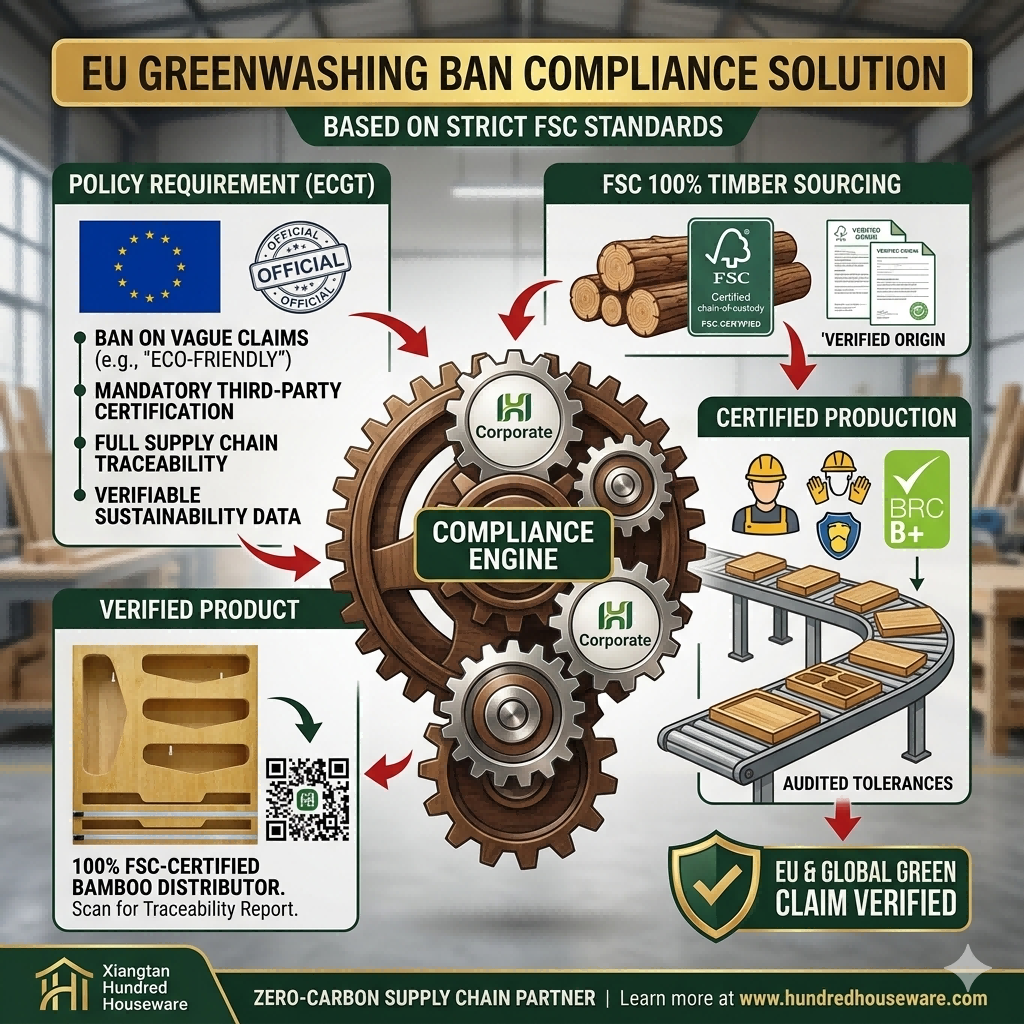
By integrating automated SEO metadata, precise keyword targeting, and compliance-aware product descriptions (such as FSC certification or EU regulations), AI ensures that B2B independent websites maintain high digital visibility in target markets.
📊 3. Data-Driven Sourcing & Predictive Customer Engagement
On the buyer side, AI algorithms streamline vendor evaluation, market trend analysis, and demand forecasting. B2B buyers can analyze global consumer sentiment on platforms like Meta and LinkedIn to identify high-growth product categories before placing volume orders.
For manufacturing partners, AI tools optimize lead qualification, automated outreach follow-ups, and customer relationship management (CRM), allowing sales teams to deliver personalized B2B service at scale.