Industry News



0102030405
Navigating Uncertainty: How Global Hotspots Shape Consumer Spending in 2026 Home Goods
2026-04-15
The Global Pulse: Consumer Emotion and Wallet Share
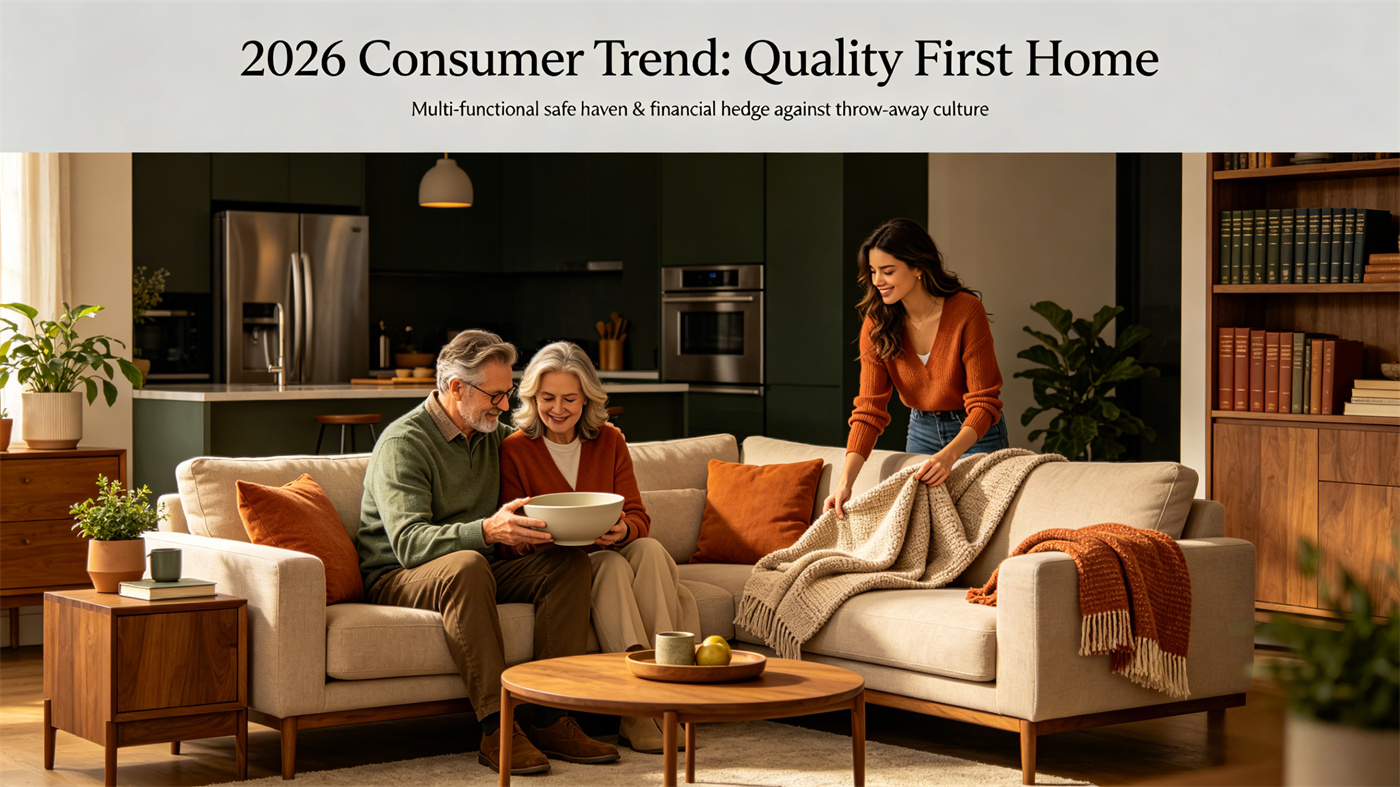
In the mid-2020s, the international landscape is characterized by volatility. As we move through 2026, lingering inflationary pressures, fluctuating energy costs, and geopolitical instability have created a climate of cautious optimism among ordinary consumers, particularly in Europe and North America. Global headlines do not just impact policy; they directly affect consumer emotion and, consequently, how they allocate their "wallet share." This instability has led to a significant shift in spending priorities: consumers are reducing discretionary, short-term purchases and prioritizing long-term, high-value, and multifunctional investments that promote a sense of stability and well-being within their own "sanctuary"—the home.
Product Resilience: Quality and Multifunctionality
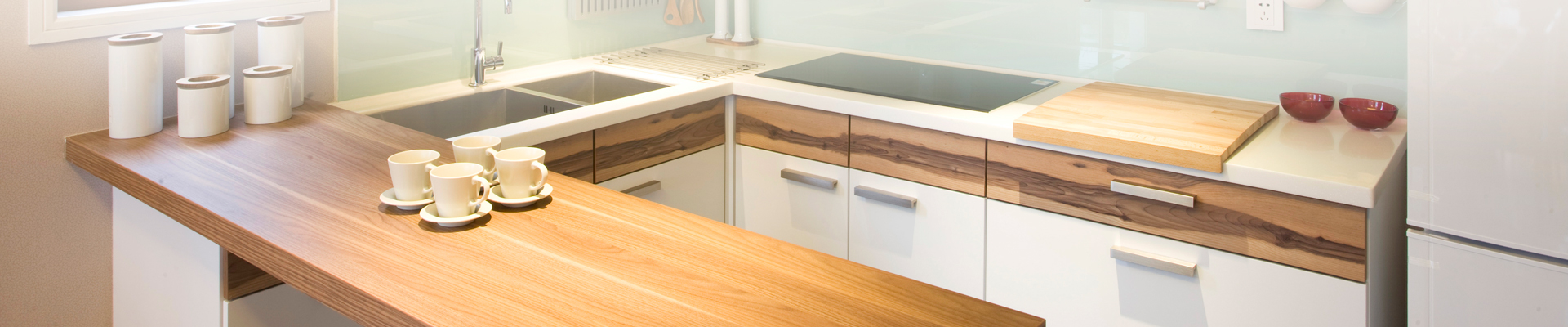
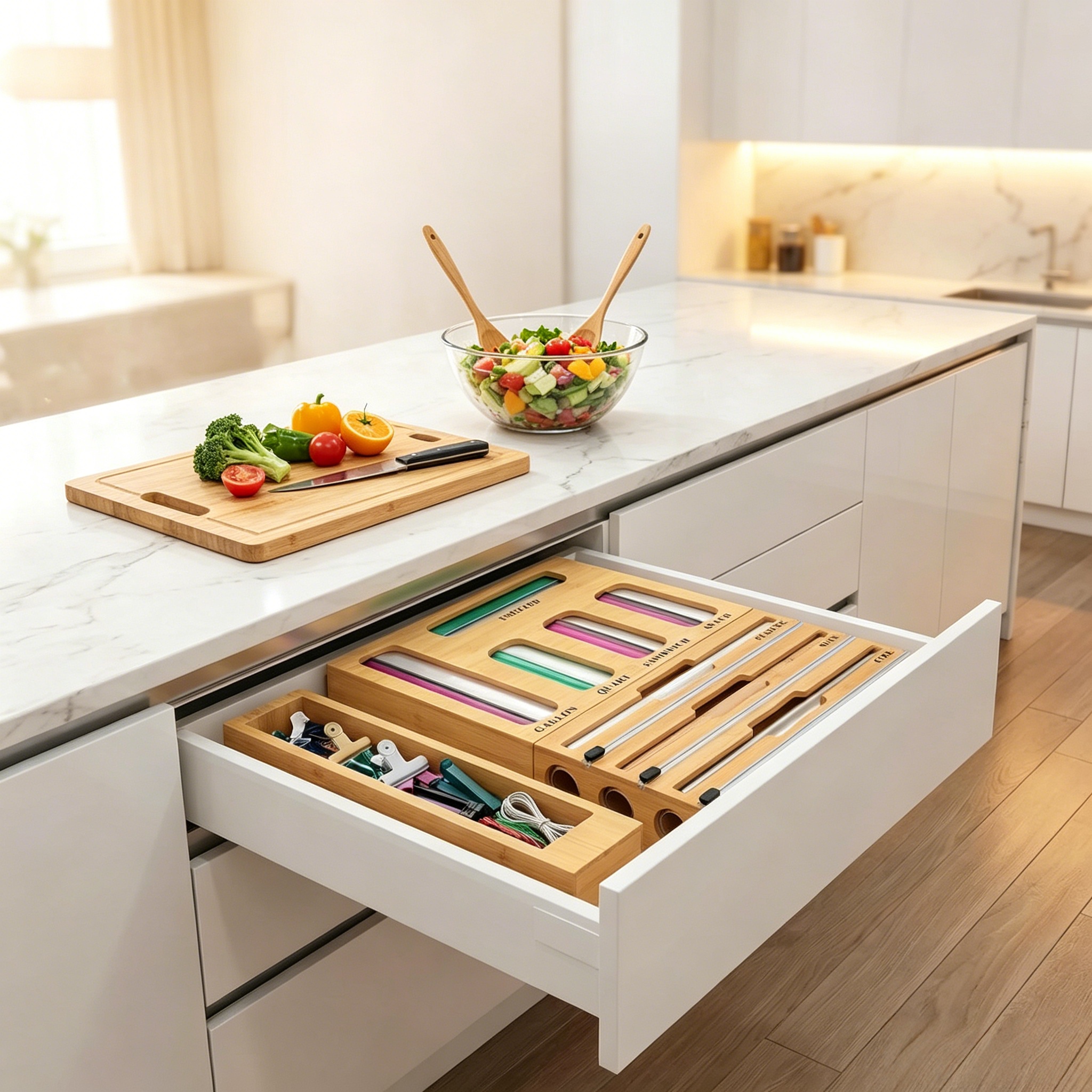
Post-2025 consumer behavior shows a distinct preference for products that experts call "Resilient Design"—a blend of Nordic coziness and industrial-grade simplified functionality. As global news cycles continue to flash warnings of supply chain instability and environmental stress, the modern home Hub where aesthetics must meet heavy-duty performance. For ordinary consumers, especially those with fixed or limited budgets, the purchase decision is now determined by four core metrics: Durability, Hygiene, Multifunctionality, and Verified Sustainability. Consumers are moving away from monolithic wood and toward sophisticated "Material Fusion" products that combine bio-based warmth (like bamboo) with clinical cleanliness (ceramic) or strength (steel). Image 1 illustrates this shift perfectly: a large, thick bamboo cutting board designed for professional culinary work sits on a pristine white quartz counter, promoting a healthy, organized, and reliable home cooking environment.
The Category Pivot: From Discretionary to Durable
When uncertainty prevails, consumers pivot away from categories that promote fleeting leisure and toward those that guarantee essential long-term value. This translates to reduced spending on low-quality plastic goods and a surge in demand for High-End Bio-Based Alternatives. Products that were once considered premium luxuries are being reclassified as necessary durable investments. From the kitchen to the home office, the priority is on items that promote spatial order and physical health. Whether it is an expandable bamboo drawer organizer that optimizes culinary efficiency or an adjustable monitor stand made from premium bamboo (similar to the structure referencing Image 1), consumers prioritize products that evoke a sense of calm and connection to nature. This demand, coupled with bamboo's inherent anti-microbial properties and verified rapid renewability, makes it the indisputable leader in the healthy home movement.
Conclusion: Trust as a Decisive Purchase Driver
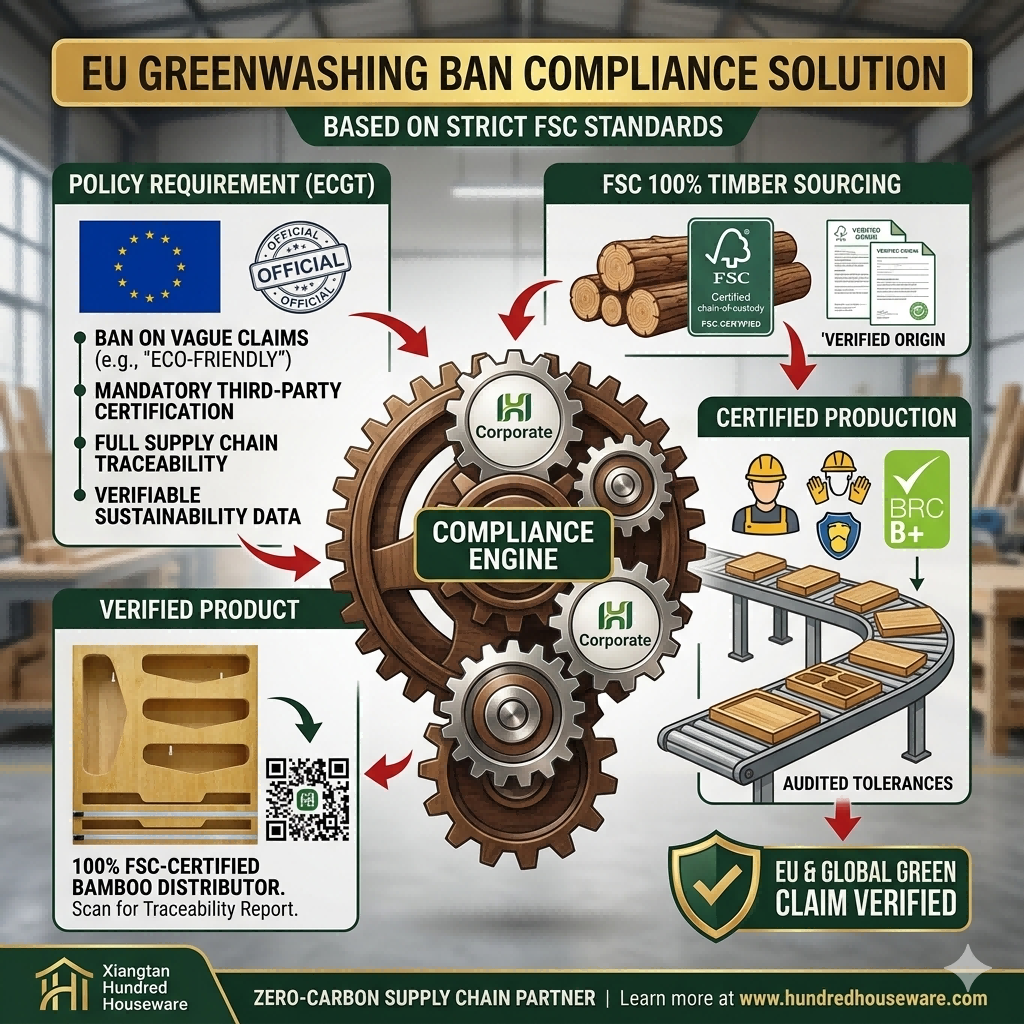
In 2026, the purchase decision is no longer purely transactional; it is deeply emotional and strategic. Consumers are shifting their discretionary spending from fleets of fleeting leisure categories and focusing their limited wallets on categories that guarantee stable value and personal safe and secure Hub. As global hot topics keep flash environmental and economic instability, purchasing decisions are now determined by durability, hygiene, and verified sustainability (image 2). This translates to reduced spending on plastic goods and a surge in high-quality bio-based alternatives and spatial order. Whether an adjustable monitor stand references a safe and stable remote work hub (Image 2) or a durable bamboo-ceramic culinary interface references a healthy safe cooking interface referencing and promoting the sanctuary home concept, ordinary consumers prioritized product investments that evoke a sense of calm and long-term security. Bamboo’s inherent anti-microbial properties, verified speed renewability (referencing Image 1), and tactical organic warmth make it an indisputable leader in this wellness movement, demonstrating that even in a volatility economy, ordinary consumer trust remains a decisive purchase driver.