






Sustainability: No Longer a Choice, But a Market Entry Ticket

In recent years, sustainability has evolved from a marketing concept into a fundamental requirement for entering global retail markets. This shift is particularly evident across Europe and the United Kingdom, where regulatory frameworks and consumer expectations are rapidly redefining sourcing standards.
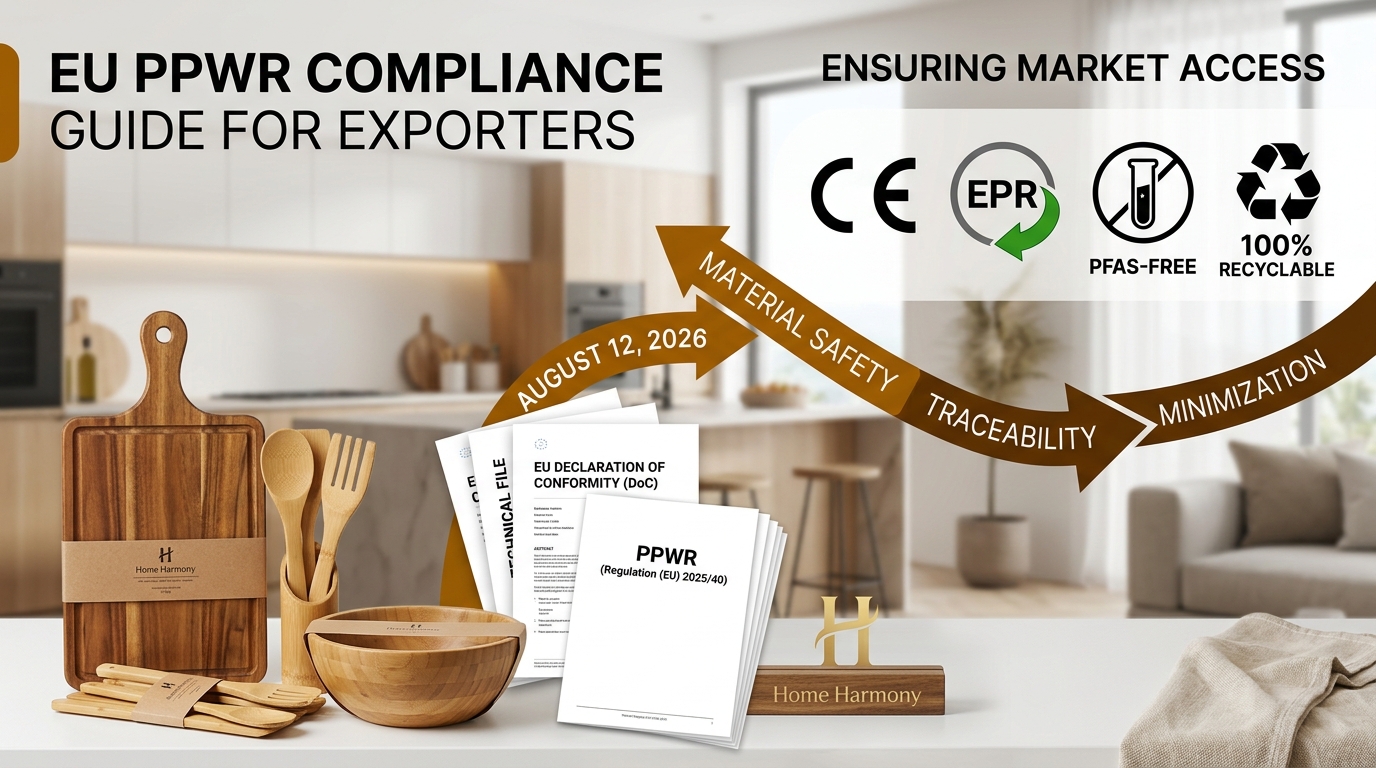
For houseware buyers and importers, eco-friendly sourcing is no longer optional. Compliance with increasingly stringent regulations—such as REACH and LFGB—has become essential. These standards now place greater emphasis not only on chemical safety, but also on material traceability, responsible sourcing, and full product lifecycle accountability. As a result, a product’s environmental credentials are evaluated with the same level of importance as its price, quality, and functionality.
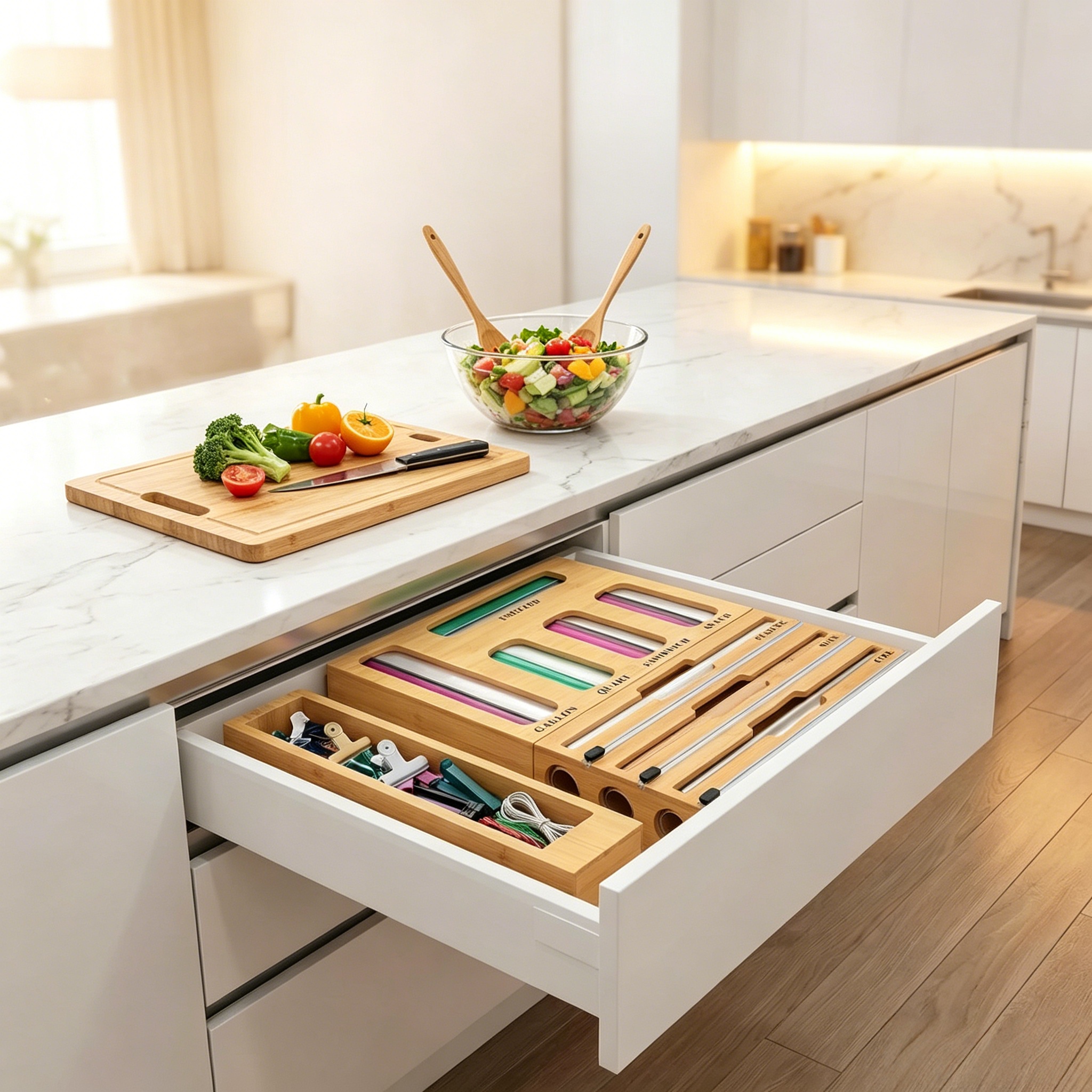
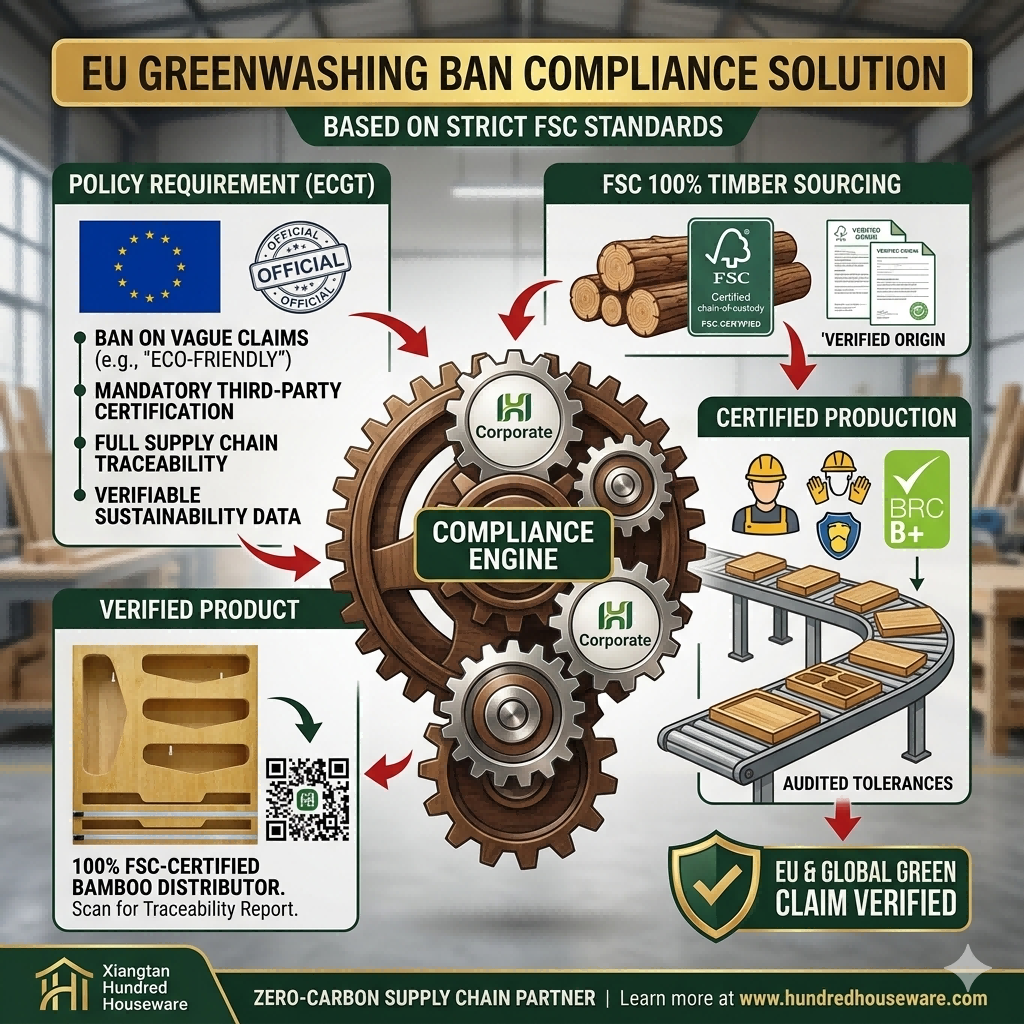
Against this backdrop, bamboo has emerged as a preferred material solution. Its rapid renewability, natural carbon-sequestration properties, and appealing organic texture make it highly aligned with modern sustainability requirements. However, the industry focus has moved beyond material selection alone. Today, transparency throughout the entire supply chain has become a critical factor.
Verified documentation, certification, and traceability are now indispensable. An uncertified or non-transparent supply chain presents not only operational risks but also potential legal and reputational consequences for brands operating in regulated markets.
With over 13 years of manufacturing experience, Xiangtan Hundred Houseware Co., Ltd. has consistently supported international clients in meeting these evolving standards.
Certifications including FSC Chain of Custody and BSCI audits are fully integrated into operations, ensuring globally recognized standards.
By working with established European partners such as Wenko and Zeller, the company has developed a deep understanding of compliance expectations and quality assurance requirements.
Every stage—from raw material sourcing to final production—meets globally recognized standards. As sustainability continues to shape the future of the houseware industry, reliable supply chain transparency is no longer a competitive advantage, but a necessity.