
2026 Top Wooden Kitchen Tools for Global Buyers
So, this 2026 guide to the top wooden kitchen tools for global buyers? It's really all about how practical design, responsible sourcing, and how they actually perform in your daily cooking routine come together to sway what people end up buying. And hey, wooden kitchen tools are still a hit—they just bring that cozy, warm vibe and make cooking feel a bit more peaceful, you know? But honestly, looks alone won't cut it anymore. You know, even a really nice spoon can eventually start to split, get stained, or just feel weird in your hand after you've washed it a bunch of times.
Jim Leahy, who runs Earlywood Designs, once said something that really sticks with me: “A good kitchen tool should fit right into the cook’s rhythm.” That notion matters to a lot of folks—importers, retailers, hospitality folks, and home cooks alike. When picking out a tool, you've got to think about the wood species, how the grain runs, whether the handle feels balanced, if the surface is smooth, and what kind of finish touches your food. And don't overlook moisture control, how sturdy the packaging is, and whether you can trace the supplier. It's the little things that make a big difference.
You know, looking at a product in real use—not just the shiny photos—tells you a whole lot more. Try wetting your hands and rubbing the handle. Does it feel too sharp at the edges? Or leave it near some steam and come back later to see what happens. Honestly, when things don't come out perfect, that's actually a lesson for the buyer. Even a really well-made item might need clearer instructions on how to care for it. And that's something worth pointing out, not hiding away.
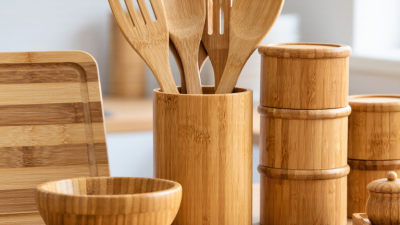
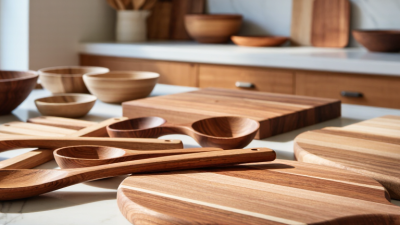
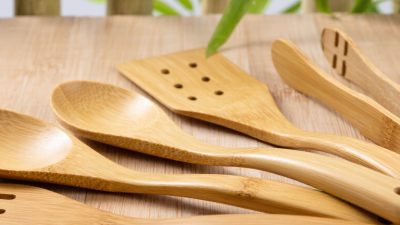
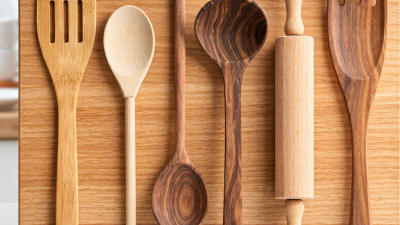
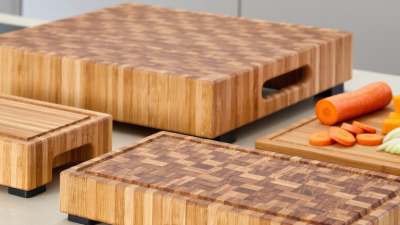
So, I've been digging into the top wooden kitchen tools folks are eyeing for 2026 on the global stage. Honestly, it's not just about looks—you've gotta think about how long they'll last, how easy they are to use, and what kind of upkeep they need. Plus, everyone's throwing around 'sustainability' these days, so it's worth checking those claims too. And of course, you want a supplier who can keep their quality consistent, no matter what. Now, each wood has its own vibe: bamboo's light and eco-friendly, beech is sturdy and classic, maple has that smooth finish, olive wood brings character, and acacia offers a rich, durable option. But here's the thing—if you're selling globally, you can't ignore the paperwork and packaging specs for different regions. At the end of the day, a good supplier will be upfront about what their materials are and how they're sourced. That's a game-changer. They don't just throw around buzzwords like "natural" or "premium" — you know, the kind of vague promises that sound good but mean nothing. What really sets the best apart is that they're specific: clear specs, solid craftsmanship, and stuff that actually makes a difference in your daily life.
Read more »